
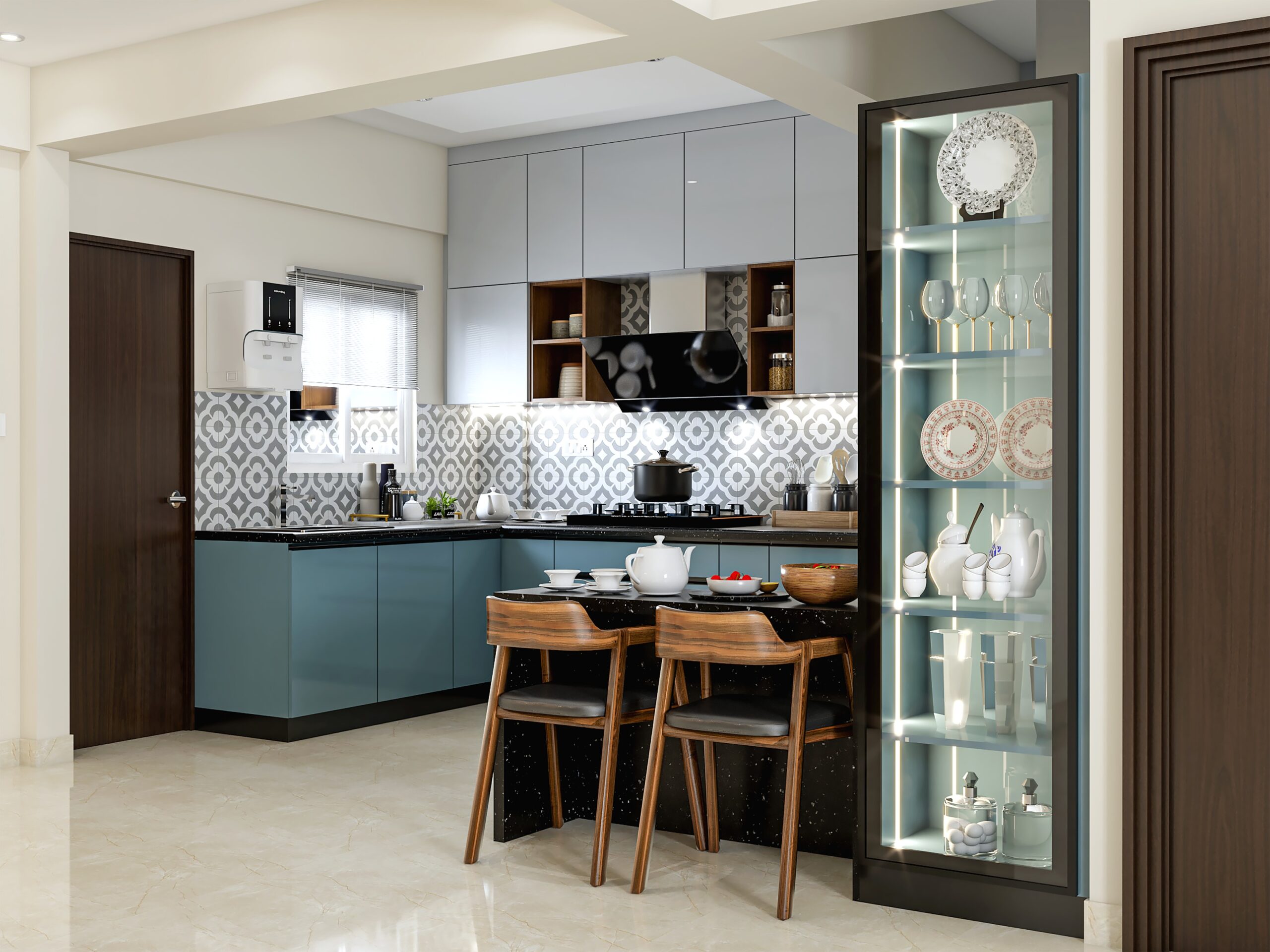
The kitchen is the heart of the home, and with the changing lifestyle needs of modern families, it has evolved beyond a place just for cooking. Today, kitchens are multi-functional spaces where people gather, entertain, work, and create. As one of Bangalore’s leading interior design firms, WeDezine understands the need for a kitchen that balances both aesthetics and functionality. Whether you’re looking to upgrade your existing kitchen or plan a new one, here are some design tips to make it multi-functional.
1. Plan for Open Layouts
The open-plan kitchen has become a must-have in modern homes, especially for those looking to maximize space. Integrating the kitchen with dining or living areas allows for a seamless flow and creates a more social environment. Consider a kitchen island or a peninsula to divide the space without isolating the person cooking from family or guests.
Tip: If you have a small space, use glass partitions or sliding doors to maintain the open feel while controlling noise and cooking aromas.
2. Maximize Storage with Smart Solutions
A clutter-free kitchen is essential for multi-functionality. Optimize your storage by incorporating pull-out drawers, deep cabinets, and overhead storage. Consider adding modular storage solutions like built-in racks, spice drawers, or even ceiling-mounted pot racks.
Tip: Use vertical space creatively. Tall cabinets with adjustable shelves can store rarely used items, while lower units keep frequently used tools and utensils accessible.
3. Install Multi-Purpose Islands
Kitchen islands are the workhorses of multi-functional kitchens. Besides providing extra counter space for food prep, they can serve as a dining area, homework station, or a spot to gather for informal chats. Opt for an island with built-in storage underneath for added functionality.
Tip: Include electrical outlets on your island for easy access to small kitchen appliances or charging devices like laptops or phones.
4. Create Distinct Zones
Design your kitchen with dedicated zones for cooking, prepping, and cleaning to streamline tasks. Having clearly defined zones for different activities will help reduce clutter and make the space more efficient. For example, keep your sink, dishwasher, and trash bins in close proximity to each other for easy cleanup.
Tip: If you love baking, designate a small area with a dedicated countertop and storage for baking tools and ingredients.
5. Invest in High-Quality, Multi-Functional Appliances
Modern appliances can save space and offer multiple functions. For instance, a convection oven can double as a microwave, and induction cooktops can be integrated into your countertop for a seamless look. These appliances not only optimize the functionality of your kitchen but also add a sleek, modern aesthetic.
Tip: Go for energy-efficient appliances to lower your energy bills and contribute to a more sustainable home.
6. Lighting is Key
A multi-functional kitchen requires layered lighting that caters to different activities. Task lighting under cabinets can help with food preparation, while pendant lights above islands provide soft, ambient lighting for social gatherings. Consider dimmable lights to adjust the mood depending on the occasion.
Tip: Add LED strips under shelves or inside cabinets for a modern touch and better visibility.
7. Choose Durable, Low-Maintenance Materials
When it comes to a busy, multi-functional kitchen, durable and easy-to-clean materials are key. For countertops, choose from materials like quartz, granite, or stainless steel that are resistant to heat, stains, and scratches. For flooring, opt for tiles or hardwood that can withstand heavy foot traffic.
Tip: Use a backsplash made of easy-to-wipe materials like ceramic tiles or tempered glass to protect your walls from spills and splashes.
8. Incorporate Seating for All Needs
Your kitchen is not only a place to cook but also a space for family gatherings and casual dining. Consider integrating different types of seating to cater to varied needs. High stools around a kitchen island or peninsula are perfect for quick meals or entertaining, while a built-in breakfast nook offers cozy seating for leisurely family meals.
Tip: If space allows, a foldable table or extendable dining area can easily transform your kitchen for larger gatherings.
9. Use a Neutral Palette with Bold Accents
A neutral color palette creates a timeless and versatile backdrop for a multi-functional kitchen. Soft whites, greys, and beiges are ideal for cabinetry and walls, allowing other design elements to pop. Add personality and character to the space with bold accents like colorful backsplashes, vibrant appliances, or statement lighting fixtures.
Tip: Introduce natural textures like wood or stone to give the kitchen a warm, welcoming vibe while keeping the look modern.
10. Add Tech for a Smart Kitchen
Incorporating smart technology can make your kitchen more efficient and enjoyable. From touchless faucets to voice-controlled lighting and smart ovens, integrating technology can improve functionality and make the space more convenient.
Tip: Consider adding a charging station or device docks to keep phones, tablets, or smart assistants readily available without cluttering the countertops.
Conclusion
A multi-functional kitchen is about finding the perfect balance between form and function. By integrating smart storage solutions, versatile layouts, and modern appliances, you can create a space that is not only practical but also stylish and comfortable for every occasion. Whether it’s a cozy breakfast, a dinner party, or a workspace, your kitchen can evolve into the most dynamic room in your home.
At WeDezine, we specialize in crafting personalized, multi-functional kitchens tailored to your lifestyle needs. Contact us today to start designing your dream kitchen!
