
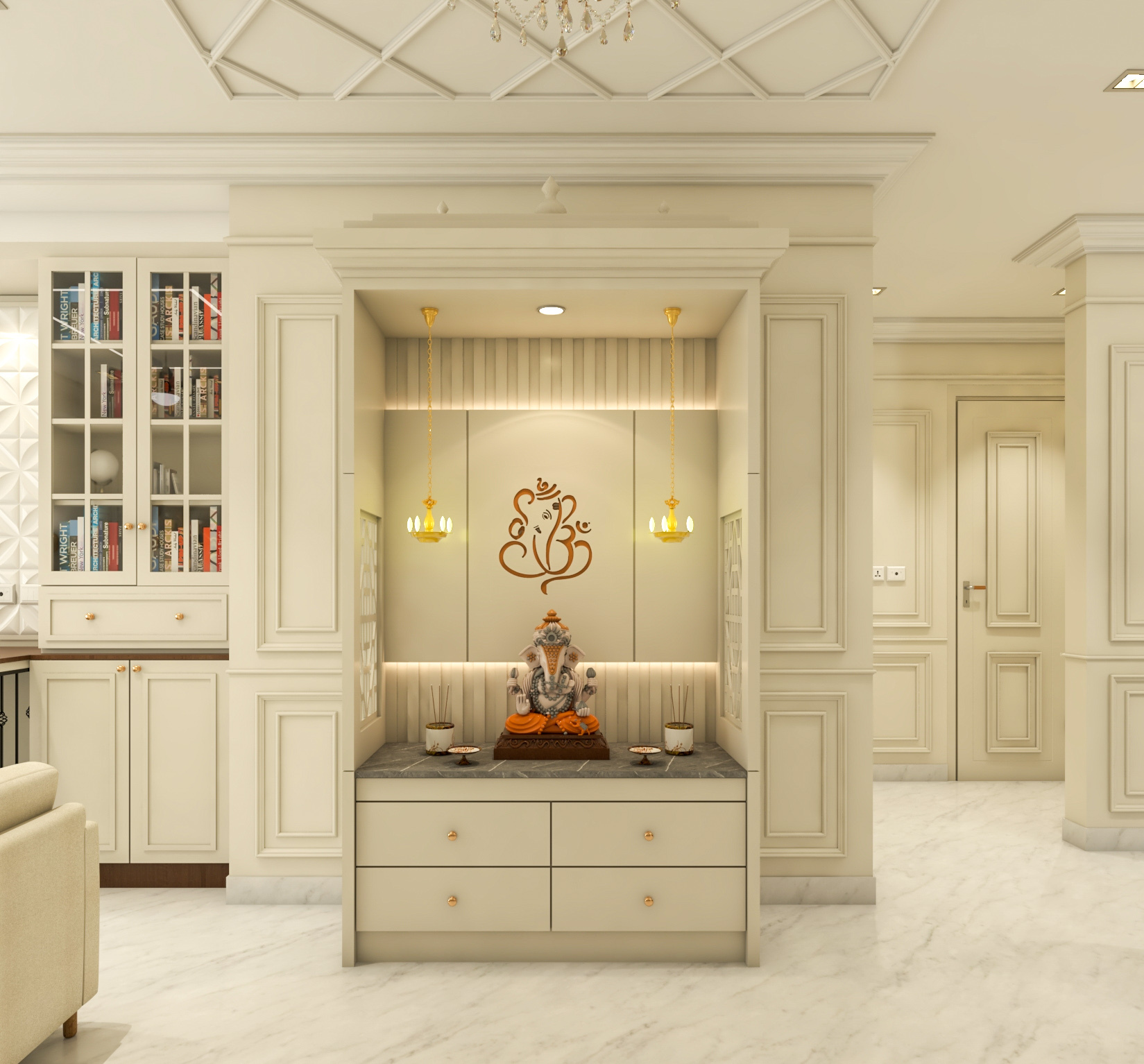
Creating a cohesive and stylish living room by mixing and matching furniture styles can seem daunting, but it is a rewarding way to express your taste and create a unique space. Successfully blending various styles requires a keen eye for balance, creativity, and a clear vision. Here are some detailed tips to help you master the art of harmonizing different furniture styles in your living room.
1. Start with a Neutral Base
Begin with neutral colors for your walls, floors, and larger pieces of furniture. Shades like white, beige, grey, or soft pastels provide a versatile backdrop that allows various styles and colors to coexist without clashing. A neutral base creates a calm foundation, making incorporating and highlighting your eclectic mix of furniture easier. For example, consider a light grey sofa that can be complemented by both a rustic wooden coffee table and a sleek modern bookshelf.
Neutral tones also offer flexibility, allowing you to change accent pieces and smaller furnishings without needing to overhaul your entire color scheme. This adaptability is essential in maintaining a dynamic and evolving living space.
2. Identify a Unifying Element
Finding a common thread that ties your pieces together is crucial. This unifying element could be a color palette, a type of material, or a recurring pattern. For instance, you might choose to blend a rustic wooden coffee table with a modern leather sofa, unified by accent pillows and throws in coordinating colors or patterns.
A consistent color scheme can effortlessly link disparate furniture styles. For instance, if you love blue, you can incorporate various shades of blue in your upholstery, cushions, rugs, and even artwork. Similarly, materials like wood, metal, or glass can be repeated in different forms across the room to create a sense of coherence.
3. Balance Proportions and Scale
Mixing furniture styles requires careful attention to the proportions and scale of each piece. Ensure that your furniture has complementary dimensions, so no single item overwhelms the space. A balanced arrangement creates a harmonious look, even when the styles differ significantly. For example, if you have a large, overstuffed sofa, balance it with sleeker, more streamlined chairs.
Consider the room’s overall layout and the relationship between pieces. Taller items like bookcases or floor lamps should be balanced with lower furniture such as coffee tables and sofas to create a visually pleasing equilibrium. The aim is to avoid creating an imbalanced or cluttered appearance.
4. Use Statement Pieces Wisely
Incorporate one or two statement pieces that draw attention and set the tone for your living room. This could be an antique armchair, a bold contemporary artwork, or a vintage chandelier. Statement pieces act as focal points that bring character and a sense of intentional design to the room. They should stand out without overwhelming the space.
When selecting statement pieces, consider their style, color, and scale. A large, ornate mirror can add a touch of elegance to the modern interior of the living room, while a contemporary sculpture can bring a fresh, artistic flair to a traditional space. These elements should reflect your personal taste and serve as conversation starters.
5. Create Layers with Textures and Patterns
Combining various textures and patterns adds depth and interest to your living room. Pair a sleek, modern glass table with a plush, traditional velvet sofa, or juxtapose a rugged, industrial metal lamp with soft, bohemian textiles. Mixing textures and patterns enhances the tactile experience of the space and reinforces the eclectic vibe.
Don’t shy away from bold patterns or unique textures. For example, a geometric patterned rug can work beautifully with floral cushions, provided they share a similar color scheme. Similarly, a leather sofa can be softened with a variety of textured throws and pillows. The key is to strike a balance between different textures and patterns to create a rich, layered look.
6. Embrace Contrast
Don’t be afraid to contrast different styles boldly. Pairing a mid-century modern chair with a Victorian side table can create a striking and visually appealing combination. Embracing contrast showcases your creativity and highlights the unique qualities of each piece. Contrasting styles can bring out the best in each other, creating a dynamic and engaging environment.
When working with contrasts, consider how each piece contributes to the overall aesthetic. For instance, a minimalist modern coffee table can serve as a calm counterpoint to an intricately detailed oriental rug. This interplay between simplicity and complexity can add an exciting dimension to your living room.
7. Consider the Layout
The arrangement of your furniture plays a crucial role in blending different styles seamlessly. Arrange your pieces to create a balanced flow and ensure they complement each other in terms of function and form. Grouping items in thoughtful vignettes can help create a cohesive look.
Think about the room’s focal points and how the furniture interacts with these areas. Arrange seating to encourage conversation, and ensure that pathways are clear and unobstructed. Use rugs to define different zones within the room, such as a reading nook or a conversation area. This strategic layout helps integrate various styles into a unified whole.
8. Personalize with Accessories
Accessories such as rugs, cushions, artwork, and plants are essential in tying together diverse furniture styles. Choose accessories that reflect your personal taste and reinforce the overall theme of your living room. They can bridge the gap between different pieces and add a layer of individuality to the space.
For instance, a gallery wall featuring a mix of modern and vintage artwork can unify different styles of furniture. Similarly, a collection of eclectic cushions on a sofa can bring together various elements in the room. Plants add a touch of nature and can be used to soften transitions between different styles.
9. Experiment and Edit
Don’t be afraid to experiment with different arrangements and combinations until you find the perfect mix. Sometimes, less is more; be prepared to edit and remove items that don’t contribute to the harmony of the room. Curating your space is an ongoing process, and flexibility is key.
Regularly assess your living room and be willing to make changes as your tastes evolve. This might involve rotating accessories, trying new color schemes, or even swapping out larger pieces of furniture. The goal is to create a living room that feels dynamic and reflects your current style.
10. Trust Your Instincts
Finally, trust your instincts and have confidence in your choices. Your living room should reflect your personality and be a space where you feel comfortable and inspired. Mixing and matching furniture styles is about expressing yourself, so let your intuition guide you in creating a space that feels uniquely yours.
Remember that interior design is a personal journey, and there are no strict rules. If a particular combination of styles resonates with you, it’s likely to create a space where you feel at home. Embrace the process, enjoy experimenting, and create a living room that tells your unique story.
