
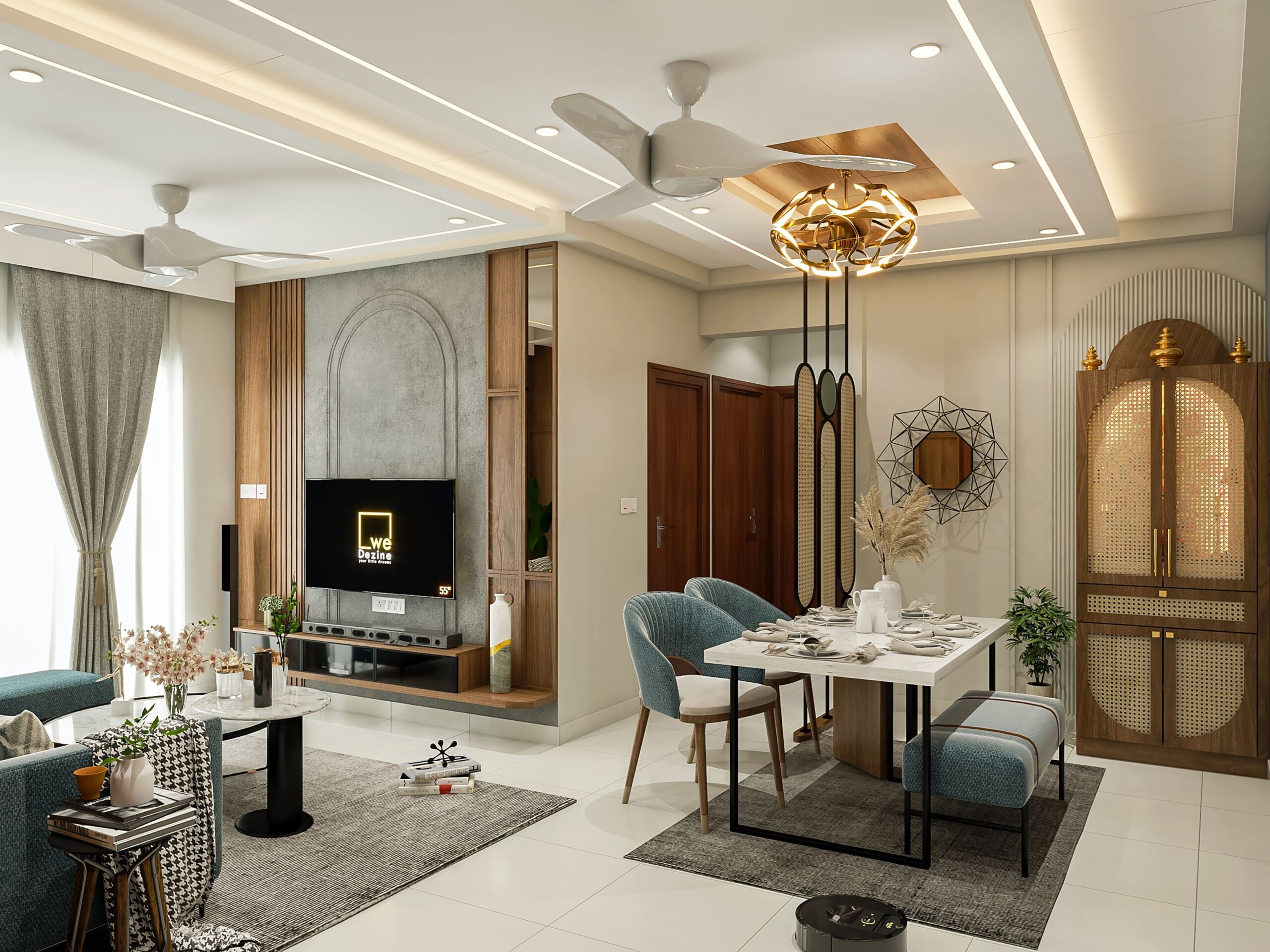
Furniture plays a crucial role in shaping the ambiance and functionality of any living space. Whether you’re moving into a new home or looking to revamp your existing one, thoughtful furniture selection and arrangement can significantly enhance the flow and comfort of your rooms. In this guide, we’ll explore practical tips and considerations to help you make the most out of your furniture layout.
Effective furniture arrangement isn’t just about aesthetics; it’s about creating spaces that feel inviting, spacious, and easy to navigate. Optimal flow in a room contributes to both visual harmony and practical usability. By carefully choosing and arranging your furniture, you can transform any space into a sanctuary that reflects your style and maximizes functionality.
Part 1: Choosing the Right Furniture
1. Assessing Space and Functionality
Before diving into furniture shopping, take stock of the room’s dimensions and its intended use. Consider how you and your family will use the space—whether it’s for lounging, dining, working, or entertaining guests. Understanding these factors will guide you in selecting furniture pieces that not only fit the room but also serve their intended purpose effectively.
2. Matching Furniture to Room Size
Scale matters when it comes to furniture. A large sofa might look appealing in a showroom, but it could overwhelm a smaller living room. Conversely, undersized furniture can make a spacious room feel empty. Aim for a balance where each piece of furniture complements the room’s size and leaves enough breathing space for movement.
3. Style and Aesthetic Considerations
Harmonizing furniture styles with your interior design theme is key to achieving a cohesive look. Whether your style leans towards modern minimalism, classic elegance, or eclectic charm, ensure that your furniture choices align with the overall ambiance you wish to create. Mixing styles can add depth and personality to your space but strive for a unified visual appeal.
Part 2: Arranging Furniture for Flow
1. Creating Pathways
One of the fundamental principles of good furniture arrangement is maintaining clear pathways. Arrange furniture to facilitate smooth movement throughout the room, avoiding obstacles that could disrupt traffic flow. This is especially important in high-traffic areas like living rooms and dining rooms.
2. Focal Points and Balance
Identify the room’s focal points—such as a fireplace, large window, or stunning artwork—and arrange furniture around these features to highlight them. Achieving visual balance is crucial; distribute furniture evenly throughout the room to create a harmonious layout that feels inviting and well-proportioned.
3. Functionality and Accessibility
Consider the practical aspects of furniture placement. Place seating areas where they encourage conversation and interaction. Ensure that essential items are easily accessible, and incorporate storage solutions seamlessly into your furniture layout to maintain a clutter-free environment.
Part 3: Practical Tips and Tricks
1. Experimenting with Layouts
Don’t hesitate to experiment with different furniture arrangements before settling on a final layout. Use floor plans or online room planners to visualize how different configurations will look and feel in your space. Sometimes, a simple swap of furniture pieces can make a significant difference in the flow and functionality of a room.
2. Utilizing Vertical Space
Maximize your room’s potential by utilizing vertical space. Consider incorporating wall-mounted shelves, tall bookcases, or floor-to-ceiling cabinets to create additional storage and display areas without encroaching on floor space. This not only enhances storage capacity but also adds visual interest and depth to your room.
3. Considering Lighting and Airflow
Pay attention to how furniture placement affects natural light penetration and airflow within the room. Position furniture to optimize both, allowing natural light to illuminate your space while promoting good air circulation. Strategic placement of mirrors can also help enhance natural light and create an illusion of more space.
Conclusion
Choosing and arranging furniture for optimal flow involves a blend of creativity, functionality, and practicality. By carefully considering room dimensions, functionality needs, and aesthetic preferences, you can create living spaces that are not only beautiful but also comfortable and easy to navigate. Whether you’re aiming for a cozy living room, a functional dining area, or a serene bedroom retreat, thoughtful furniture selection and arrangement are essential in bringing your vision to life.
Implement these tips in your next interior design project, and watch as your living spaces transform into harmonious environments that you and your family will love to inhabit.
