
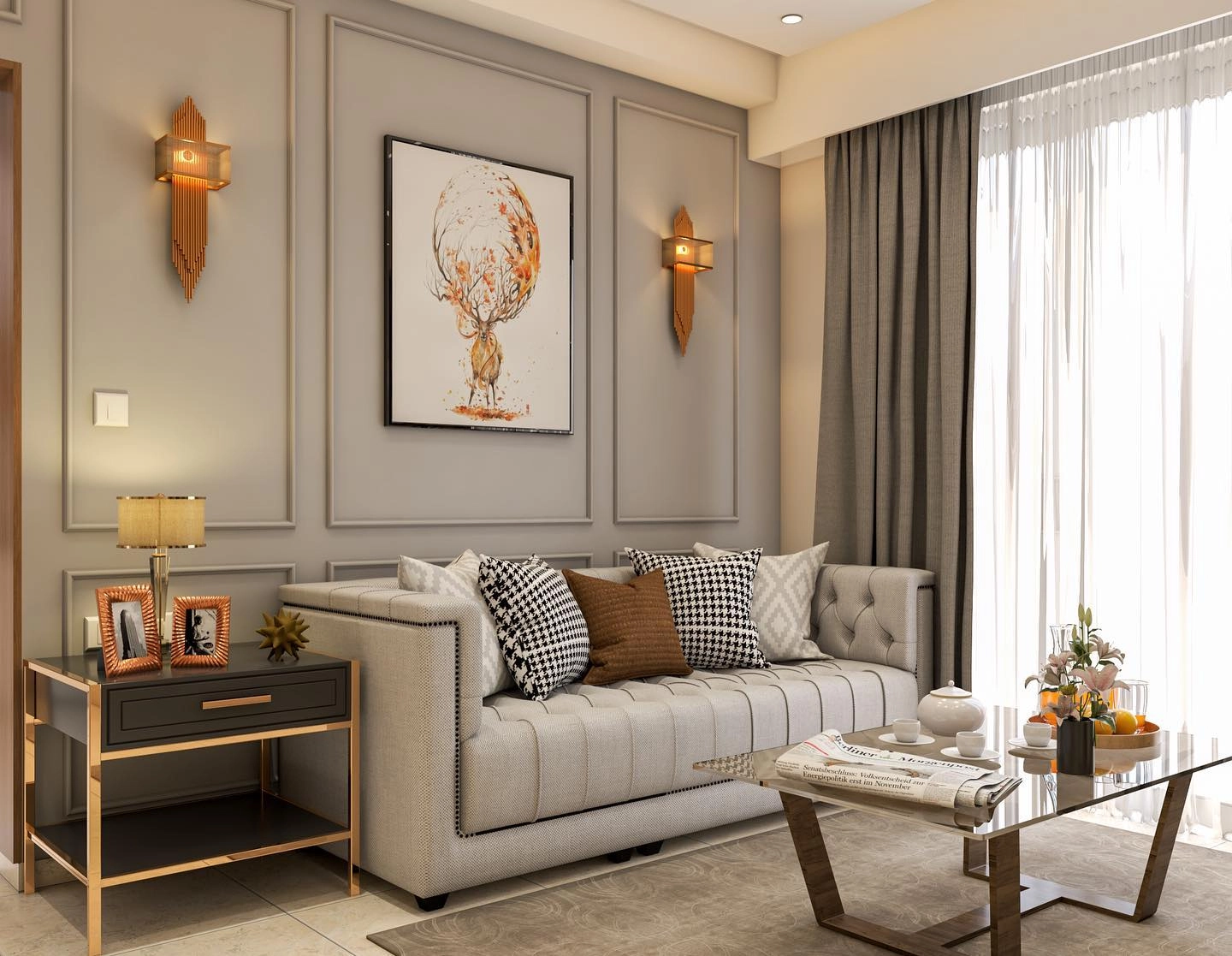
As people grow older, the desire to remain in their own homes becomes increasingly important. Aging in place refers to the ability to live safely, comfortably, and independently in one’s own home regardless of age, mobility, or health conditions. With thoughtful planning and the right interior design solutions, seniors can continue enjoying the comfort and familiarity of their homes while maintaining their independence.
At WeDezine, a trusted interior designing company in Bangalore, we understand the unique requirements of senior citizens and their families. Our experienced designers create safe, accessible, and stylish living environments that support aging in place without compromising on aesthetics. By combining functionality with elegant design, we help homeowners create spaces that adapt to changing needs over time.
Why Aging-in-Place Design Matters
As parents and family members age, daily activities such as walking, bathing, cooking, and moving around the home may become more challenging. A well-designed home can reduce the risk of falls, improve accessibility, and provide peace of mind for both seniors and their loved ones.
The goal of aging-in-place design is to create a home that remains safe, functional, and comfortable for years to come. With proper planning and strategic renovations, homeowners can ensure that their living spaces continue to meet the evolving needs of elderly family members.
Smart Strategies for Creating a Senior-Friendly Home
1. Make the Home Smarter with Technology
Smart home technology can significantly improve convenience and safety for seniors. Modern automation systems allow homeowners to control lighting, appliances, curtains, security systems, and air conditioning through smartphones or voice commands.
Some useful smart home features include:
- Voice-controlled assistants
- Smart lighting systems
- Automated door locks
- Video doorbells
- Emergency alert systems
- Smart thermostats
These technologies reduce physical effort and make everyday tasks easier for elderly residents.
2. Improve Lighting Throughout the Home
Good lighting is essential for preventing accidents and maintaining a comfortable living environment. Poor visibility can increase the risk of trips and falls, especially during nighttime.
Consider the following improvements:
- Install motion-sensor lights in hallways and entrances.
- Use night lights in bedrooms, bathrooms, and corridors.
- Increase natural light wherever possible.
- Add brighter task lighting in kitchens and reading areas.
- Ensure staircases and pathways are well illuminated.
Proper lighting not only enhances safety but can also improve mood and overall well-being.
3. Create an Accessible and Safe Bathroom
Bathrooms are among the most accident-prone areas in any home. Slippery floors and limited support can increase the risk of falls for seniors.
To improve bathroom safety:
- Install grab bars near toilets and showers.
- Use anti-slip flooring materials.
- Add a walk-in shower with minimal thresholds.
- Install a shower bench or seat.
- Choose lever-style faucets for easier operation.
- Ensure adequate lighting and ventilation.
A thoughtfully designed bathroom promotes both safety and independence.
4. Design a Comfortable Senior-Friendly Bedroom
The bedroom should be a peaceful and accessible space that supports comfortable movement and rest.
Key considerations include:
- Maintain clear pathways around the bed.
- Minimize unnecessary furniture and clutter.
- Install bedside lighting that is easy to access.
- Use non-slip flooring materials.
- Consider adjustable beds for added comfort.
- Add bed rails or support handles if necessary.
A well-organized bedroom can significantly reduce the risk of accidents while improving comfort.
5. Enhance Flooring Safety
Flooring plays a crucial role in senior safety. Uneven surfaces, loose rugs, and slippery materials can create hazards.
Recommended flooring solutions include:
- Non-slip tiles
- Vinyl flooring with grip
- Low-pile carpeting
- Smooth transitions between rooms
Remove loose rugs or secure them with anti-slip pads to prevent tripping hazards.
6. Ensure Easy Mobility Throughout the House
Creating barrier-free movement is essential for aging in place.
Some effective modifications include:
- Widen doorways for wheelchair or walker access.
- Eliminate unnecessary steps wherever possible.
- Install ramps at entrances.
- Use lever-style door handles instead of knobs.
- Create open layouts with clear walking paths.
These changes allow seniors to move comfortably and safely throughout their homes.
7. Create a Dedicated Safe Room
A designated safe room can provide additional security and peace of mind.
This room may include:
- Emergency contact information
- First-aid supplies
- Flashlights and backup batteries
- Drinking water
- Essential medications
- A mobile phone or landline
Having a prepared safe space can be invaluable during emergencies.
8. Install a Reliable Home Security System
Security is an important aspect of aging in place. Modern security systems can help seniors feel protected while living independently.
Useful security features include:
- Smart door locks
- CCTV cameras
- Video doorbells
- Intrusion alarms
- Emergency response systems
Professional security solutions offer both safety and confidence for elderly residents and their families.
9. Design a Functional Kitchen
The kitchen should be easy and safe to use.
Consider incorporating:
- Lower countertop heights
- Pull-out storage units
- Easy-grip cabinet handles
- Induction cooktops with automatic shutoff
- Good task lighting
These modifications can make meal preparation safer and more enjoyable.
10. Incorporate Universal Design Principles
Universal design ensures that spaces are functional for people of all ages and abilities.
Examples include:
- Step-free entrances
- Wider hallways
- Accessible switches and controls
- Comfortable seating heights
- Easy-to-use fixtures
These design features benefit everyone in the household while preparing the home for future needs.
How WeDezine Helps Create Senior-Friendly Homes
At WeDezine, we specialize in designing homes that balance safety, accessibility, luxury, and style. Our experienced team carefully evaluates each home’s layout and creates customized solutions that support aging in place while maintaining beautiful aesthetics.
Whether you are renovating a single room or redesigning an entire home, our experts focus on creating environments that promote independence, comfort, and long-term well-being for senior family members.
Conclusion
Aging in place is an important lifestyle choice that allows seniors to remain in the comfort of their own homes while maintaining their independence. By making thoughtful design modifications and incorporating smart technology, homeowners can create safer, more accessible, and more comfortable living spaces.
From improved lighting and accessible bathrooms to smart home automation and enhanced security systems, every improvement contributes to a better quality of life. At WeDezine, we believe that a well-designed home should support every stage of life, ensuring that seniors can age with dignity, comfort, and confidence in the place they call home.
Contact WeDezine Studio Today.
Tags: creative interior designing firms in bangalore, Interior Design Company in Bangalore, Interior design firms in Bangalore, Luxury Interior designers in Bangalore