
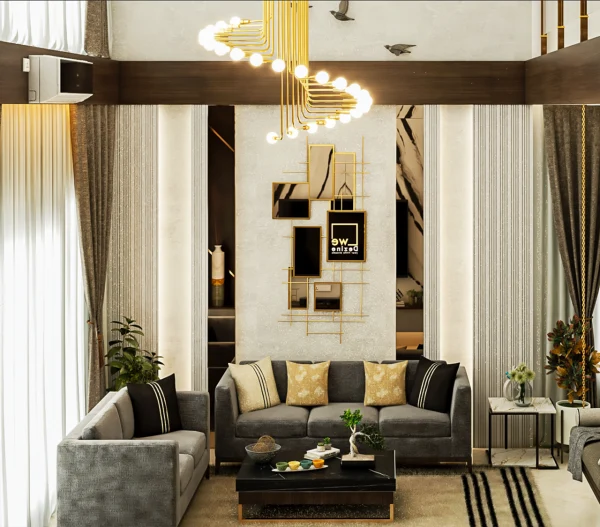
Plants have the same effect on the overall display to make a room beautiful as a piece of art, beautiful fabric, or a favorite antique. But decorating designs with them requires just as much thought as everything else. We wish to present popular ideas based on current trends to incorporate plants into home spaces as your favorite home interior designer in Bangalore.
Plants recreate a soothing and healthful environment for your family, especially if you are tucked away and cramped in an urban setting. Plants can decorate the living room and the bedroom. Also, be inventive and try new things! Determine which plant varieties are your favorites and which specific form, size, or texture works best for you and your environment.
Plants have demonstrated, in scientific research, to reduce stress and enhance productivity, making your area the ideal place to unwind after a hard day.
Why Should You Use Plants in Interior Design?
Q: Do indoor plants really improve a home’s interior?
Yes — and science backs it up. Studies published in environmental psychology journals have found that the presence of indoor plants can reduce cortisol (a stress hormone) levels, improve concentration, and even boost creativity. For urban dwellers in cities like Bangalore, where green spaces are increasingly scarce, bringing nature indoors is one of the most effective and affordable design decisions you can make.
Beyond wellness, plants add layers of texture, color, and life to any space. Unlike static decorative items, plants evolve with your home — they grow, change shape, and respond to their environment, keeping your interiors feeling fresh and dynamic year-round. Whether you consult an interior designer near you or take the DIY route, integrating plants should be at the top of your décor checklist.
Let Us Discuss the Top 5 Ways to Incorporate Greenery.
1. Choosing The Right Plants
Palm trees, ferns, African violets, and plants that look beautiful in a classic blue and white container will complement a space with traditional furnishings.
Traditional buildings typically feature smaller rooms and necessitate simpler designs. A fern, for example, performs nicely in more conventional settings. Because it enjoys indirect light and can flourish in typical home humidity, the parlour palm is a great bedroom mate and grows up to 8 ft tall. The snake plant is a succulent that thrives in low-moisture settings. Silvery striations cover the green swordlike leaves, making it one of the best bedroom plants.
Complement the surrounding scenery by using soft, delicate plants in rural locations. Tropical plants and cacti are ideal for decorating leaner, more contemporary interiors. Because modern homes typically have a lot of light, you can choose more prominent and eye-catching plants like chestnut vine for more sculptural options in urban settings. Simple to maintain, Dracaena leaves are long and slender and curve gracefully from a central stem. The leaves are variegated in pink, red, yellow, and cream. Dracaenas thrive indirect, bright light.
Q: Which indoor plants are best for Bangalore homes?
Bangalore’s climate — moderate temperatures, seasonal humidity, and good natural light in most apartments — makes it one of the best Indian cities for growing indoor plants. Here are some top choices recommended by interior designers in Bangalore:
- Money Plant (Pothos): Extremely low maintenance, thrives indirect light, and grows beautifully in hanging pots or along shelves.
- Peace Lily: Ideal for bedrooms, air-purifying, and does well in low-light corners.
- Rubber Plant: Makes a bold statement in living rooms with its large, glossy leaves and sculptural form.
- Spider Plant: Perfect for bathrooms, kitchens, and compact apartments.
- Bamboo Palm: Adds a tropical, breezy feel to open living spaces.
Match your plant to the amount of light your room receives, the humidity levels, and the overall aesthetic you want to achieve. An experienced home interior designer in Bangalore will always assess your space lighting before recommending plants.
2. Carry Those Vessels with Care!
Your plants are only as appealing as the vessel they’re contained in, no matter how gorgeous and well-kept they are. Choosing the ideal container is just as crucial as selecting the right plant. Use eye-catching vessels, such as an antique urn or a salvaged primitive wood container. If you do not wish to invest in the vase, place the pot in a decorative basket to add charm.
However, considering some indoor plants that require adequate space to grow and spread roots, the container should be large. For instance, lavender is a popular stress-relief aroma. As long as you have a position with ample sunlight, this makes it an ideal indoor bedroom plant. Check that it’s in a large enough pot; the roots should have enough room and not be circling inside the pot.
Pots, like plant colors, can be chosen in one of two ways, depending on personal preference. Choose pots with similar finishes and colors to make the arrangement look like a set. Alternatively, combine all of your favorite pots in various materials and colors for an eclectic look.
Q: What type of planters work best for modern home interiors?
The planter you choose communicates your design language as much as the plant itself. Here’s how to think about it:
- Terracotta pots bring warmth and an earthy, bohemian vibe — great for Mediterranean or rustic-themed rooms.
- White or matte ceramic pots feel contemporary and clean, complementing minimalist and Scandinavian interiors.
- Woven rattan or jute baskets add texture and casual elegance, ideal for tropical or relaxed living spaces.
- Metallic or geometric planters suit industrial and modern home styles beautifully.
- Vintage urns or handcrafted clay pots are the preferred choice of many top interior designers in Bangalore for traditional and transitional homes.
Remember: a beautiful plant in a mismatched or cheap container loses its impact. Treat your planter as part of the décor investment, not an afterthought.
3. Arrangements Matter!
When used in abundance, plants may truly pack a punch. You can turn them into a work of art by, for example, making a hanging installation at different levels to create depth and balance. Interior design with plants does not have to take up a lot of space, whether you have a little or large area. Hanging baskets, for example, are suspended from the ceiling. So, they’ll be out of the way while yet providing the benefit of fresh foliage. Install these in the bathroom, bedroom, study, or anywhere else you need to keep surfaces free.
Plants can even sit contentedly on a wall thanks to modern design. Depending on your space, this may be geometric wall mounts for air plants or even a vertical herb garden. You can arrange the complex as you like. Furthermore, walls are ideal surfaces for houseplants in interior design because they take up little space.
Q: How do you arrange plants to make a room look stylish?
The secret to arrangement is thinking like a visual artist. Here are techniques that interior designers near you use regularly:
- Rule of Three: Group plants in odd numbers — three or five — for a naturally balanced, visually pleasing cluster.
- Vary Heights: Use floor plants, tabletop plants, and hanging plants in the same space to create a layered, lush look.
- Create a Focal Point: Position one statement plant — like a tall fiddle-leaf fig or a sculptural cactus — as the room’s green centerpiece, then build smaller plants around it.
- Symmetry for Formality: Place matching plants on either side of a doorway, fireplace, or headboard for a formal, classical look.
- Asymmetry for Energy: Off-center arrangements with plants of different sizes and leaf shapes feel modern and dynamic.
- Corner Greening: Large corners are often wasted space. A tall, lush corner plant like a Monstera or Areca Palm instantly fills dead zones and anchors the room.
For apartments and compact homes — common in Bangalore’s urban landscape — vertical gardens and shelf arrangements are increasingly popular. They maximize your greenery without eating into floor space.
4. Versatility at Its Best!
Plants are constantly changing and growing, and they are easily relocated. Although it is adaptable, it should never overpower space. Looking at your plants as temporary decorations allows you to move them about as they take shape and get more significant — and it also gives you some leeway if they wither.
Large potted palms and fig trees, for example, can serve as dividers instead of panels or screens. When you place a red-colored fiberglass planter with a glossy finish next to a red sofa, the color of the planter may appear slightly lighter due to the shiny finish. The strength and color of light can impact the color of many ornamental things in a place, and warm light can make yellow, orange, and red appear brighter. Cool and light, on the other hand, have the potential to enhance blue and green.
Q: Can plants replace furniture or partitions in open-plan homes?
Absolutely — and this is one of the most creative trends embraced by interior designers in Bangalore working on open-plan apartments and modern homes. Here’s how plants serve a functional role beyond decoration:
- Room Dividers: A row of tall plants in identical planters can define separate zones — a reading nook, a dining area, or a home office — without the heaviness of a solid wall or partition.
- Acoustic Buffers: Dense, leafy plants absorb sound and reduce echo in large, hard-surfaced rooms.
- Privacy Screens: Tall bamboo, ornamental grasses, or dense ferns placed strategically near windows or balcony edges provide natural privacy without blocking light.
- Mood Setters: Because plants are movable, you can reconfigure your space for different occasions — a minimalist arrangement for workdays, a lush, layered setup for weekends and guests.
This versatility is what makes plants one of the most powerful and cost-effective tools in a home decorator’s arsenal.
5. Maintenance Is a Must!
After placing a houseplant in any pretty pot, water drainage should be critically managed for plant health. Some pots lack a drainage outlet, leaving your plants submerged in water for most days. Other pots with outlets may cause the water to seep onto your tables and floor.
If your plant seems to not retain moisture, try encircling the plant’s summit with moss. A dense layer of moss can store moisture near the plant’s crown, compensating for soil that is unable to hold enough water.
We believe that life and death are part of care for houseplants, and you should expect occasional failures whether you are just getting started or have been propagating for years. When you stop expecting perfection, you can fully appreciate the process.
Q: What is the best routine for maintaining indoor plants in a busy urban home?
Maintenance does not need to be complicated. Here’s a simple care framework recommended by home interior designers in Bangalore to keep your indoor garden thriving:
- Weekly Watering Check: Most indoor plants in Bangalore’s climate need watering once or twice a week. Always check soil moisture with your finger before watering — overwatering kills more plants than underwatering.
- Dusting Leaves: Dust accumulates on large-leafed plants like rubber plants and Monsteras, blocking photosynthesis. Wipe them gently with a damp cloth once a month.
- Rotating Pots: Rotate your plant pots every two to three weeks so all sides receive equal light, encouraging balanced, even growth.
- Repotting Annually: Most indoor plants benefit from repotting once a year. Upgrade to a slightly larger container to give roots room to expand.
- Fertilising During Growing Season: Feed your plants with diluted liquid fertiliser during spring and summer (the active growing months) to support lush, healthy foliage.
- Pest Monitoring: Check the undersides of leaves for pests like aphids and spider mites regularly. A diluted neem oil spray works wonders as a natural preventive treatment.
The key is to build these tasks into your regular home routine — treat plant care as you would any other household chore, and your green companions will reward you with years of beauty and vitality.
Frequently Asked Questions About Plants in Interior Design
Q: How do I use plants in a small apartment in Bangalore?
In compact urban apartments, priorities are vertical space. Use wall-mounted planters, tiered plant stands and hanging pots. Choose plants with a slender growth habit — snake plants, dracaenas, and lucky bamboo — to add height without width. Light shelving near windows can house a collection of small succulents and herbs without taking up floor space.
Q: Are indoor plants safe for homes with children and pets?
Not all indoor plants are pet- or child-safe. Avoid toxic species like pothos (mildly toxic if ingested), peace lilies, and dieffenbachia if you have curious pets or young children. Opt instead for spider plants, Boston ferns, areca palms, and marigolds, which are generally considered safe. Always verify the toxicity of a plant before introducing it to your home.
Final Thoughts: Let Nature Transform Your Home
Incorporating plants into your home interiors is not just a design trend—it is a lifestyle choice that brings measurable benefits to your physical health, mental well-being, and the overall aesthetic quality of your living space. From choosing the right plant species and vessels to mastering arrangement and maintenance, every decision you make with greenery contributes to a home that feels more alive, more personal, and more beautiful.
Whether you are a first-time plant parent experimenting with a few succulents on your windowsill or you are ready to transform your entire home into a lush botanical sanctuary, the principles outlined in this guide will help you make confident, informed choices.
Are you looking for “interior designers near me” or the top interior designers in Bangalore? Wedezine will provide 360-degree cost-effective interior services with cutting-edge technology to deliver beyond expectations. From plant styling to complete home makeovers, our team of experienced designers brings your vision to life with precision and creativity. For further details, visit the website.
