
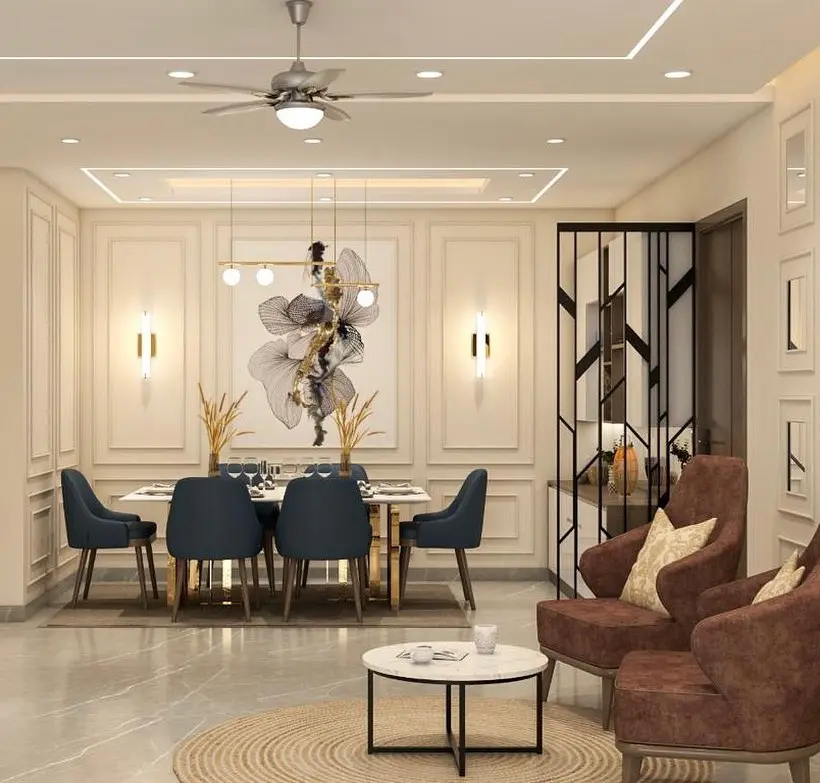
Creating a seamless flow between living and dining spaces is an essential aspect of interior design. It not only enhances the aesthetic appeal of your home, but it also makes the space more functional and inviting. As one of the leading interior designers in Bangalore, we at WeDezine Studio have curated a list of tips to help you achieve a seamless flow between your living and dining areas.
1. Choose a Cohesive Color Palette
One of the easiest ways to create a seamless flow between living and dining spaces is by choosing a cohesive color palette. Stick to a color scheme that complements each other and creates a harmonious balance between the two areas. You can choose to have different shades of the same color or opt for complementary colors to add interest to the space. This will create a sense of continuity and make the transition between the two areas seamless.
2. Add a Unifying Element
Adding a unifying element such as a rug or artwork can help tie the living and dining spaces together. A large rug placed under the dining table and extending into the living area can create a visual connection between the two spaces. You can also hang artwork in both areas that have similar colors or themes, creating a cohesive look.
3. Use Furniture Placement
Furniture placement plays a crucial role in creating a seamless flow between living and dining spaces. Opt for an open floor plan where the living and dining spaces are connected without any obstructions. Place furniture in a way that allows for easy movement and clear sightlines, making the space feel more open and connected.
4. Consider Lighting
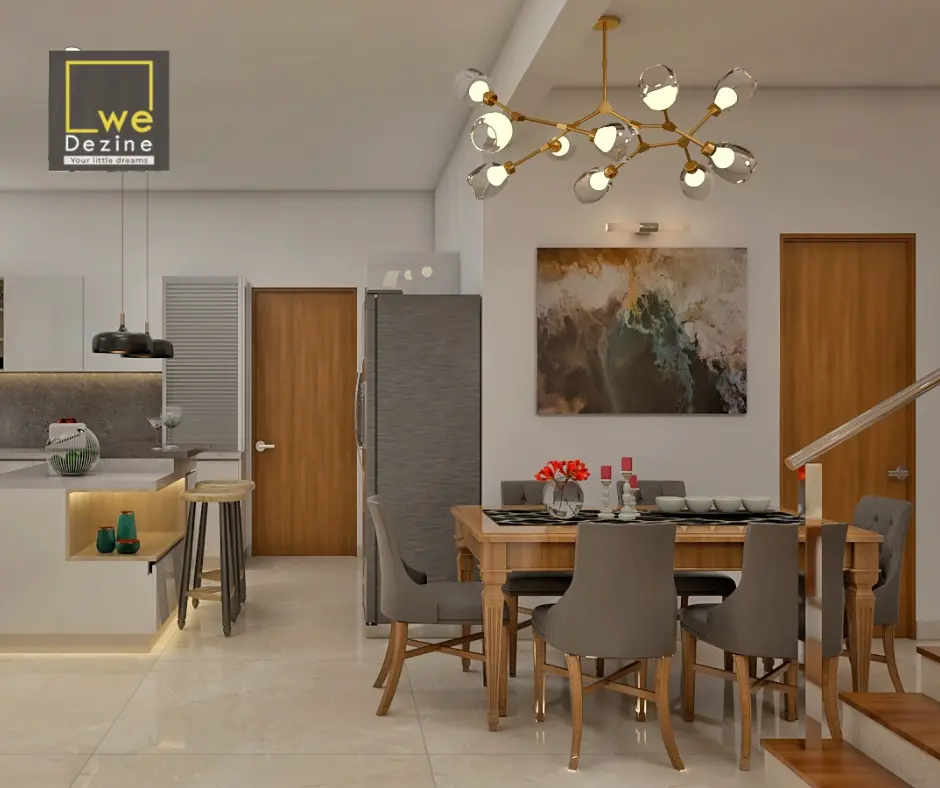
Lighting is an essential factor in interior design, and it can significantly impact the flow of a space. To create a seamless transition between living and dining areas, ensure that the lighting is consistent throughout the space. Use a mix of overhead lighting, such as pendant lights or chandeliers, and ambient lighting, such as floor or table lamps, to create a warm and inviting atmosphere.
5. Incorporate Similar Design Elements
Incorporating similar design elements in both the living and dining areas can help create a cohesive look. This can include similar textures, materials, and finishes. For example, if you have wooden furniture in the living area, you can opt for a wooden dining table or chairs to tie the two spaces together.
6. Keep it Clutter-Free
A cluttered space can disrupt the flow and make it challenging to create a seamless transition between living and dining areas. Ensure that both spaces are clutter-free by having enough storage and organizing items effectively. This will not only create a smooth flow but also make the space feel more spacious and inviting.
7. Use Room Dividers
If you have a small space, you can use room dividers to create a sense of separation between the living and dining areas. This can be in the form of a bookshelf, a folding screen, or a partition wall. Room dividers can also act as a design element, adding interest and texture to the space.
In conclusion, creating a seamless flow between living and dining spaces is a crucial aspect of interior design. By following these tips, you can achieve a cohesive and functional space that reflects your personal style. As one of the top interior designers in Bangalore, we at WeDezine Studio believe that a well-designed living and dining area can significantly enhance the overall look and feel of your home.
