
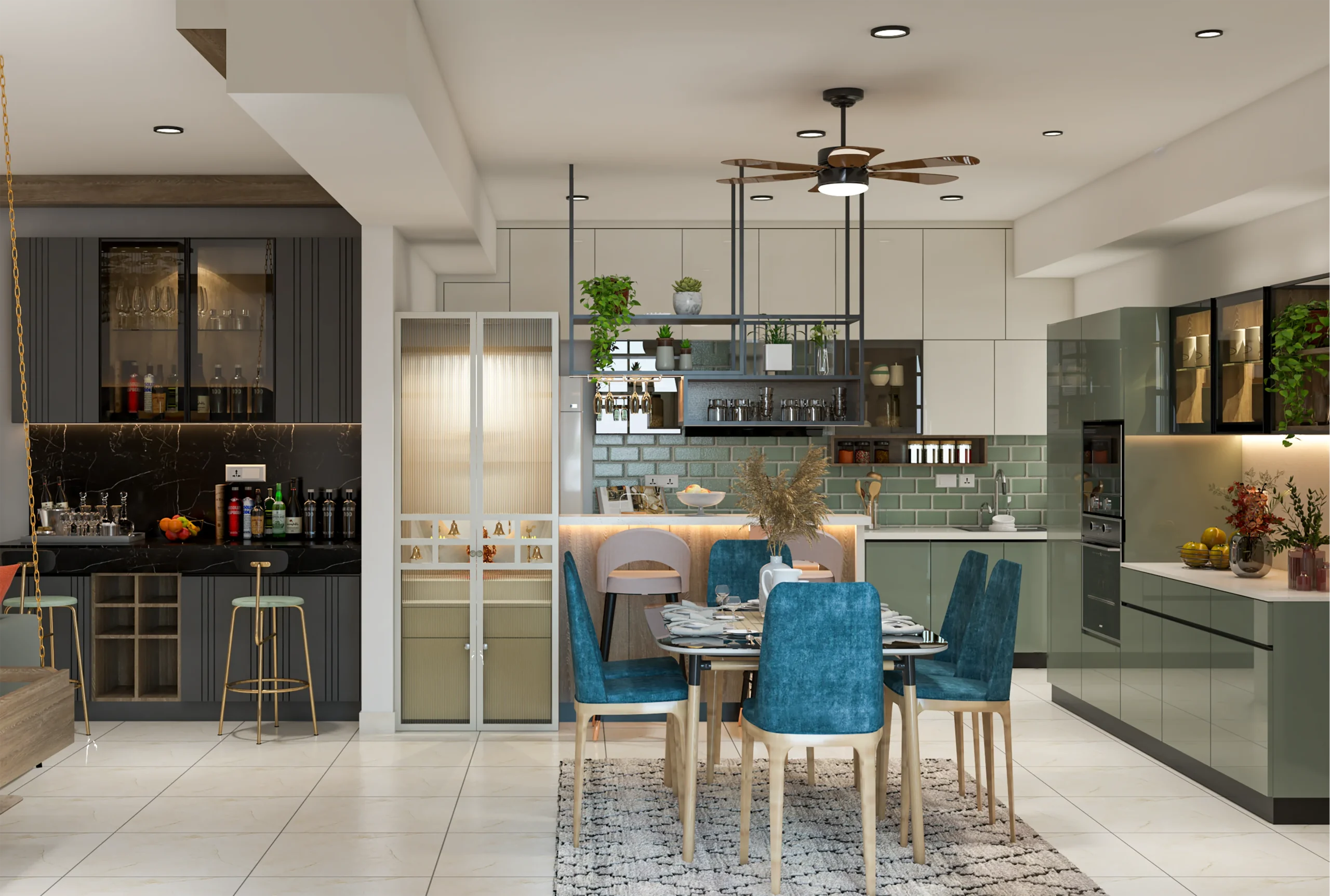
Open floor layouts have become a hallmark of modern home design, offering a sense of space, flexibility, and seamless flow between different areas. However, designing an effective open-plan space requires careful consideration of zoning, furniture placement, and aesthetics. If you’re planning an open floor layout for your home, here are some essential guidelines to ensure functionality and style.
1. Define Distinct Zones
While open floor plans eliminate walls, it’s still essential to create distinct zones for different activities such as cooking, dining, and lounging. You can achieve this by:
- Using furniture arrangement to create visual separations
- Placing area rugs to define specific spaces
- Incorporating different flooring materials for a subtle transition between zones
2. Maintain Cohesiveness with a Unified Theme
To avoid a cluttered or disconnected look, maintain a cohesive design throughout the open space. Achieve this by:
- Using a consistent color palette across different areas
- Coordinating furniture styles and materials
- Implementing a unified lighting scheme with layered lighting (ambient, task, and accent)
3. Optimize Natural Light and Airflow
One of the biggest advantages of an open floor layout is the abundance of natural light. Maximize its benefits by:
- Using large windows and glass doors to enhance openness
- Choosing light-reflecting colors and materials to create an airy atmosphere
- Incorporating mirrors to amplify natural light
4. Incorporate Flexible Design Elements
While open layouts promote connectivity, there are times when privacy is needed. Consider adding:
- Sliding doors or partitions to create temporary separation
- Bookshelves or decorative screens to subtly divide spaces
- Multi-functional furniture that adapts to different needs
5. Ensure Practicality with Smart Storage Solutions
With fewer walls for cabinetry, storage can be a challenge in open floor plans. Keep your space organized by:
- Installing built-in storage solutions such as shelves and cabinets
- Choosing furniture with hidden storage compartments
- Utilizing vertical space effectively with tall storage units
6. Balance Aesthetics and Functionality
While an open floor plan looks visually appealing, it must also be practical. Ensure the layout meets your lifestyle needs by:
- Creating a smooth transition between the kitchen, dining, and living areas
- Maintaining adequate circulation space for movement
- Placing furniture in a way that encourages interaction without blocking pathways
7. Personalize Your Space
Finally, personalize your open floor layout with decor that reflects your style and personality. Add elements such as:
- Artwork, plants, and decorative pieces for character
- Statement lighting fixtures to add a focal point
- Textured materials like wood, stone, or fabric for warmth and depth
Conclusion
A well-planned open floor layout enhances both the aesthetics and functionality of a modern home. By carefully considering zoning, lighting, storage, and design consistency, you can create a space that is inviting, practical, and suited to your lifestyle. Whether you’re renovating or building from scratch, these tips will help you achieve a seamless and stylish open-plan living experience.
