
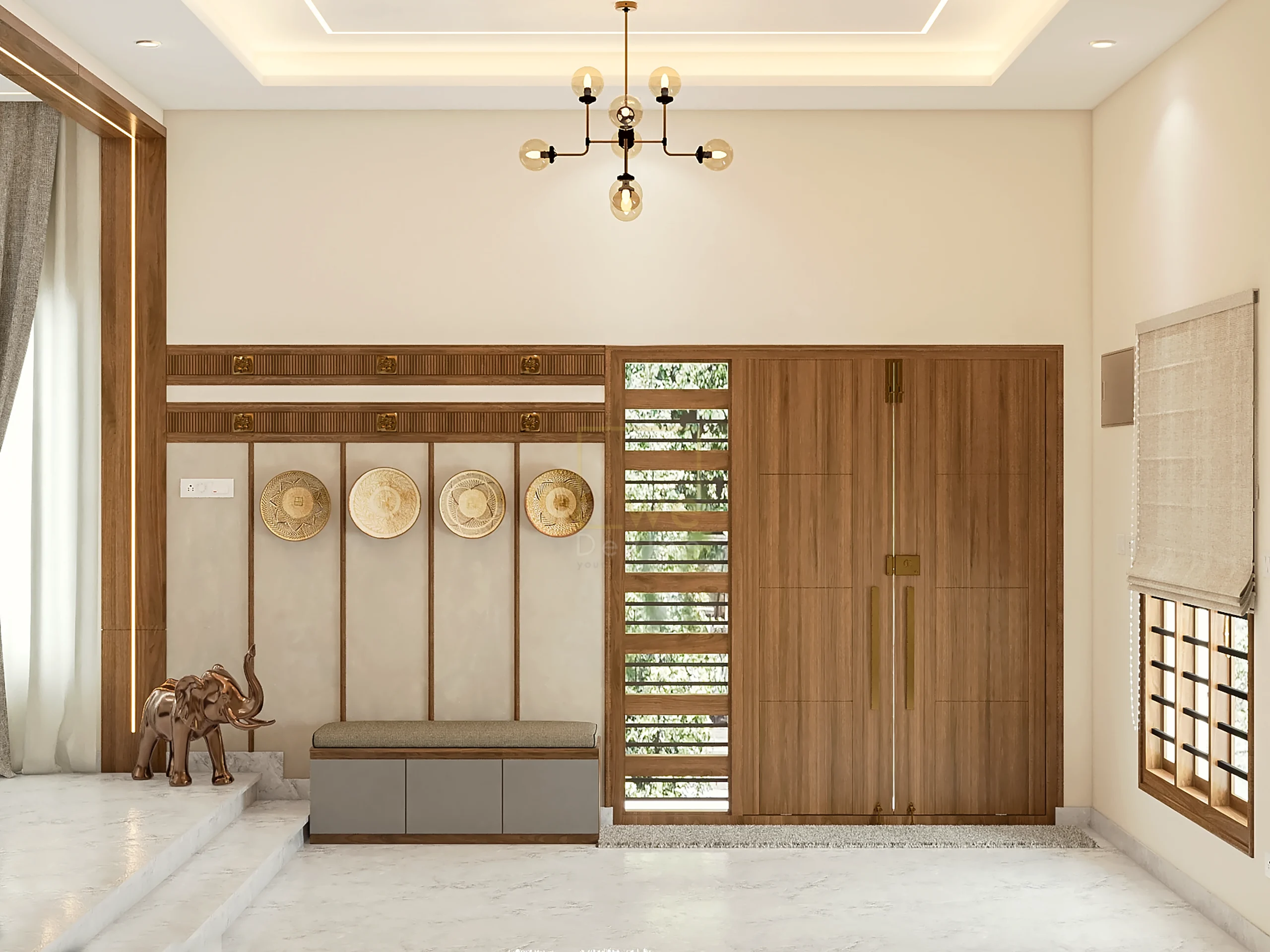
Marble has long been a symbol of luxury and sophistication in interior design. From opulent palaces to modern homes, its timeless appeal continues to make it a popular choice. However, like any material, marble comes with its own set of advantages and drawbacks. If you are considering incorporating marble into your home, it’s essential to weigh the pros and cons before making a decision.
Pros of Using Marble in Interior Design
1. Aesthetic Elegance
Marble’s natural veining and unique patterns bring an unmatched level of beauty to interiors. It exudes a refined and luxurious ambiance, making spaces look sophisticated and timeless.
2. Variety of Colors and Patterns
Marble comes in a diverse range of colors and patterns, from classic white Carrara to dramatic black Marquina. This versatility allows designers to create custom looks that suit various themes and styles.
3. Durability and Longevity
When properly maintained, marble can last for decades. It is a durable natural stone that withstands regular use, making it a great investment for homeowners.
4. Heat Resistance
Marble remains cool even in warm climates, making it an excellent choice for homes in Bangalore. It is also heat-resistant, which is why it is commonly used for kitchen countertops and fireplaces.
5. Adds Property Value
Homes with marble flooring and countertops tend to have higher resale values. Its luxurious appeal and long-lasting quality make it an attractive feature for potential buyers.
Cons of Using Marble in Interior Design
1. High Maintenance
Marble is porous and requires regular sealing to prevent stains and water absorption. Spills, especially acidic substances like lemon juice or wine, can leave permanent marks.
2. Prone to Scratches and Stains
Unlike harder stones like granite, marble is relatively soft and can scratch easily. Heavy furniture, sharp objects, and even regular foot traffic can cause wear and tear over time.
3. Costly Investment
Marble is an expensive material, both in terms of purchase and installation. Its cost varies based on the type and rarity, making it a high-end option that may not fit every budget.
4. Slippery When Polished
Highly polished marble surfaces can be slippery, posing a safety hazard, especially in bathrooms and wet areas. Opting for honed or textured finishes can help reduce this risk.
5. Susceptible to Weathering
In humid and tropical climates like Bangalore, marble can develop discoloration or weaken over time if not properly maintained. Proper care is essential to preserve its beauty and durability.
Conclusion
Marble remains one of the most elegant materials for interior design, offering a blend of beauty, durability, and luxury. However, it requires careful maintenance and a higher budget. If you are willing to invest in proper upkeep, marble can transform your interiors into a timeless masterpiece. For expert guidance on incorporating marble into your home, get in touch with WeDezine, your trusted interior design partner in Bangalore!
