
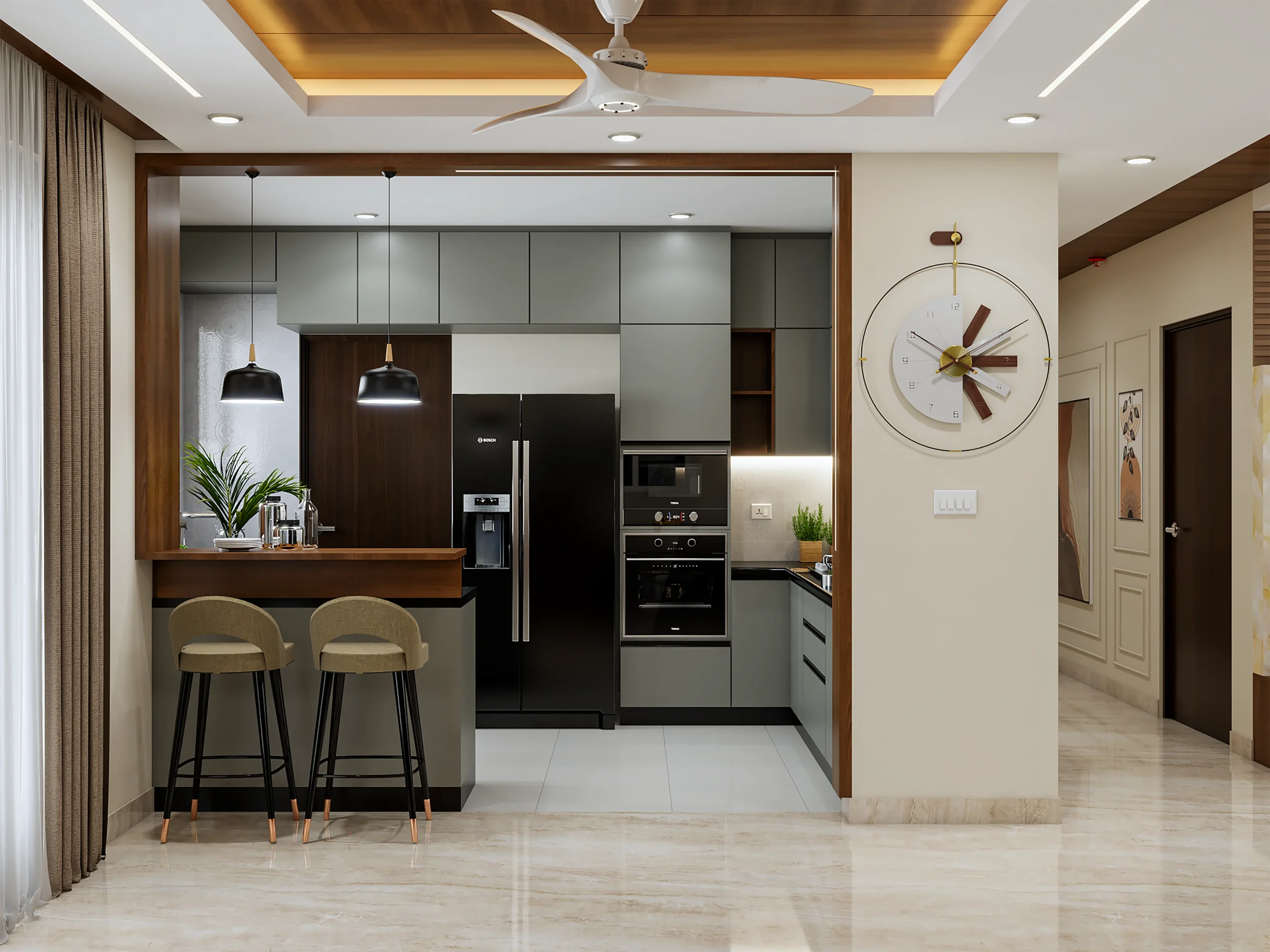
In today’s world, sustainability is more than just a trend—it’s a necessity. As homeowners become increasingly eco-conscious, sustainable kitchen cabinets have gained popularity as a way to reduce environmental impact while enhancing the beauty and functionality of a home. If you’re planning a kitchen remodel or designing a new space, here’s everything you need to know about choosing sustainable kitchen cabinets.
Why Choose Sustainable Kitchen Cabinets?
Sustainable cabinets are crafted using eco-friendly materials and processes that minimize harm to the environment. By opting for sustainable choices, you contribute to:
- Reducing deforestation by selecting cabinets made from responsibly sourced or reclaimed wood.
- Lowering carbon footprints by choosing locally sourced materials.
- Minimizing toxic emissions by avoiding cabinets with high levels of volatile organic compounds (VOCs).
- Promoting recyclability by using materials that can be repurposed in the future.
Key Factors to Consider When Choosing Sustainable Cabinets
1. Eco-Friendly Materials
Look for cabinets made from sustainable materials such as:
- Reclaimed wood: Repurposed from old furniture, barns, or buildings, reducing the need for new timber.
- Bamboo: A rapidly renewable resource with high durability.
- Formaldehyde-free plywood or MDF: Traditional particleboards release harmful chemicals, but formaldehyde-free alternatives are safer.
- Recycled or upcycled materials: These options reduce waste and extend the lifespan of resources.
2. Low-VOC Finishes and Adhesives
Traditional paints, varnishes, and adhesives can emit VOCs, which contribute to indoor air pollution and health issues. Opt for:
- Water-based or natural oil finishes
- Low-VOC or VOC-free adhesives
- Soy-based or non-toxic glues
3. Certifications to Look For
Certifications ensure that the materials and manufacturing processes meet sustainability standards. Some important certifications include:
- FSC (Forest Stewardship Council): Ensures the wood is sourced responsibly.
- GREENGUARD Certification: Guarantees low chemical emissions.
- CARB2 Compliance: Limits formaldehyde emissions in engineered wood products.
4. Energy-Efficient Manufacturing
Choose brands and manufacturers that prioritize sustainability by using:
- Energy-efficient production processes
- Solar or renewable energy sources
- Waste reduction and recycling programs
5. Local Sourcing
Purchasing locally sourced materials and cabinets reduces transportation emissions and supports local artisans and businesses.
Additional Tips for a Sustainable Kitchen
- Repurpose existing cabinets: Instead of replacing all cabinets, consider repainting or refacing them for a fresh look.
- Use sustainable countertops and backsplashes: Opt for recycled glass, bamboo, or reclaimed stone.
- Install LED lighting: Energy-efficient lighting reduces power consumption.
- Opt for sustainable hardware: Choose handles and knobs made from recycled metal or sustainable wood.
Conclusion
Sustainable kitchen cabinets are a smart investment for both the environment and your home. By choosing eco-friendly materials, low-VOC finishes, and responsible manufacturers, you can create a kitchen that is stylish, functional, and environmentally responsible.
At WeDezine, we believe in designing spaces that align with sustainability and style. If you’re looking for expert advice on incorporating eco-friendly cabinets into your kitchen, our team is here to help. Get in touch with us today for a consultation and let’s create a greener future, one kitchen at a time!
