
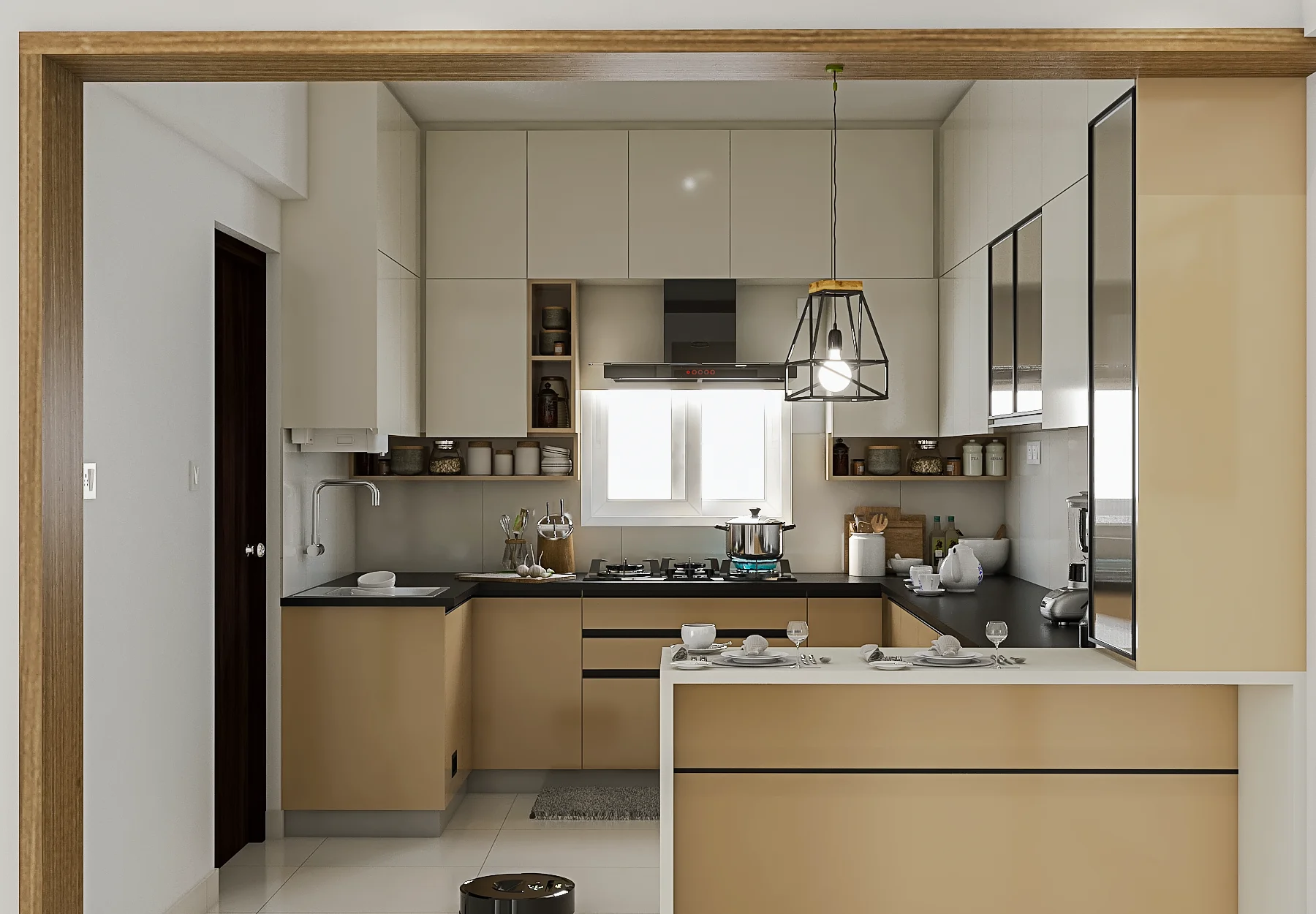
The kitchen is often referred to as the heart of the home. It’s not just a place for cooking; it’s where families come together, meals are prepared, and memories are made. With the right design, your kitchen can be a hub of productivity and creativity. But what makes a kitchen truly functional? The layout.
A well-thought-out kitchen layout ensures that everything is within reach, organized, and easy to use. Whether you’re remodeling your existing kitchen or designing one from scratch, understanding the principles of kitchen layout design is key to creating a space that works for you.
Here’s how to create a functional kitchen layout that blends practicality with style.
1. Understand the Kitchen Work Triangle
The kitchen work triangle is a design principle that emphasizes the relationship between the three primary work areas in the kitchen: the sink, stove, and refrigerator. These are the areas you will use most often while cooking, so it’s important that they are positioned efficiently.
The idea is to create an ergonomic flow between these three key elements by arranging them in a triangular layout. The distance between each should be neither too close nor too far. A balanced work triangle minimizes unnecessary movement and maximizes your efficiency while preparing meals.
2. Choose the Right Kitchen Layout Style
There are several layout styles that can work for different kitchen sizes and shapes. Here are a few common ones to consider:
- U-Shaped Layout: Ideal for larger kitchens, this design forms a U shape, with counters and cabinets lining three walls. It offers plenty of workspace and storage while providing an efficient work triangle.
- L-Shaped Layout: Perfect for open-plan kitchens or smaller spaces, the L-shaped layout offers flexibility and maximizes corner spaces. This style typically features two walls of cabinets and appliances, making it a great option for compact spaces.
- Galley Layout: A galley kitchen has two parallel walls with a narrow walkway in between. It’s ideal for smaller kitchens but still offers plenty of storage and counter space. The galley layout is highly functional, allowing for efficient movement between work zones.
- Island Layout: If you have a large kitchen, an island can be a great addition. It creates a central work area for prep, storage, or even seating, and works well in U-shaped or open-concept kitchens.
- Peninsula Layout: This layout is similar to the island layout, but the “island” is attached to a wall or another countertop. It’s perfect for kitchens with limited space while still adding a bit of extra workspace.
3. Consider Workflow and Zoning
In a functional kitchen, it’s crucial to think beyond just the work triangle and consider how you move between tasks. Workflow zoning divides the kitchen into areas based on specific functions. These zones include:
- Cooking Zone: This area includes the stove, oven, and microwave. Ideally, it should be near the sink for easy cleanup.
- Preparation Zone: This is where you do all your chopping, mixing, and food prep. A large counter space is a must, and it should ideally be between the sink and stove.
- Storage Zone: The pantry, fridge, and cabinets fall under this zone. Keep items you use most often close to the cooking area to save time.
- Cleaning Zone: The sink, dishwasher, and trash should be grouped together for easy cleanup. If possible, place the sink near the prep area for a streamlined process.
By organizing your kitchen into zones, you’ll ensure that everything is within reach, reducing clutter and improving overall functionality.
4. Optimize Storage Solutions
A functional kitchen isn’t just about layout – it’s also about how you store your items. Maximizing storage is crucial to keeping your kitchen organized and clutter-free. Here are a few tips:
- Cabinet Storage: Choose deep cabinets with pull-out shelves for easy access to pots, pans, and other kitchen essentials.
- Vertical Storage: Use wall-mounted shelves, hooks, or pegboards to store utensils, spices, or small appliances. This frees up counter space and keeps everything within reach.
- Drawer Organizers: Invest in drawer organizers to keep utensils, knives, and other small items neatly separated and easy to find.
- Pantry Solutions: Consider installing pull-out pantries, lazy Susans, or basket drawers to make the most of your pantry space.
- Under-Cabinet Storage: Utilize the space below your cabinets by adding pull-out bins for trash, recycling, or cleaning supplies.
5. Consider Lighting and Ventilation
Lighting plays a crucial role in creating a functional kitchen. A combination of task, ambient, and accent lighting will help you efficiently complete tasks while making the kitchen feel inviting. Here are a few ideas:
- Task Lighting: Install under-cabinet lights to illuminate your workspace and ensure you have enough visibility for cooking and food prep.
- Ambient Lighting: A ceiling light or recessed lighting can provide overall illumination for the kitchen.
- Accent Lighting: Use pendant lights over your island or a backsplash to add visual interest and warmth to the space.
Good ventilation is equally important in the kitchen. Ensure that you have a powerful range hood above your stove to remove cooking fumes and maintain air quality. If your kitchen lacks windows, consider adding an exhaust fan.
6. Prioritize Counter Space
Counter space is essential for meal prep, cooking, and even casual dining. Keep countertops clutter-free by incorporating plenty of storage options, like drawers, cabinets, and open shelving. If you have the space, consider adding a kitchen island or breakfast bar to increase your available surface area.
7. Add Personal Style
While functionality is key, the aesthetics of your kitchen matter too. Use colors, materials, and finishes that reflect your personal style. Whether you prefer sleek, modern designs or a more rustic, cozy feel, your kitchen layout should not only be functional but also visually appealing.
Conclusion
Creating a functional kitchen layout is all about maximizing efficiency, minimizing unnecessary movement, and optimizing your space. Whether you’re working with a small galley kitchen or a spacious open-plan design, following these layout principles can help ensure that your kitchen is not only beautiful but also practical.
At WeDezine, we understand the importance of a well-designed kitchen. Our team of experts can help you design a kitchen layout that works for your lifestyle, providing expert advice, design solutions, and personalized recommendations. Contact us today to begin transforming your kitchen into a functional and stylish space!
