
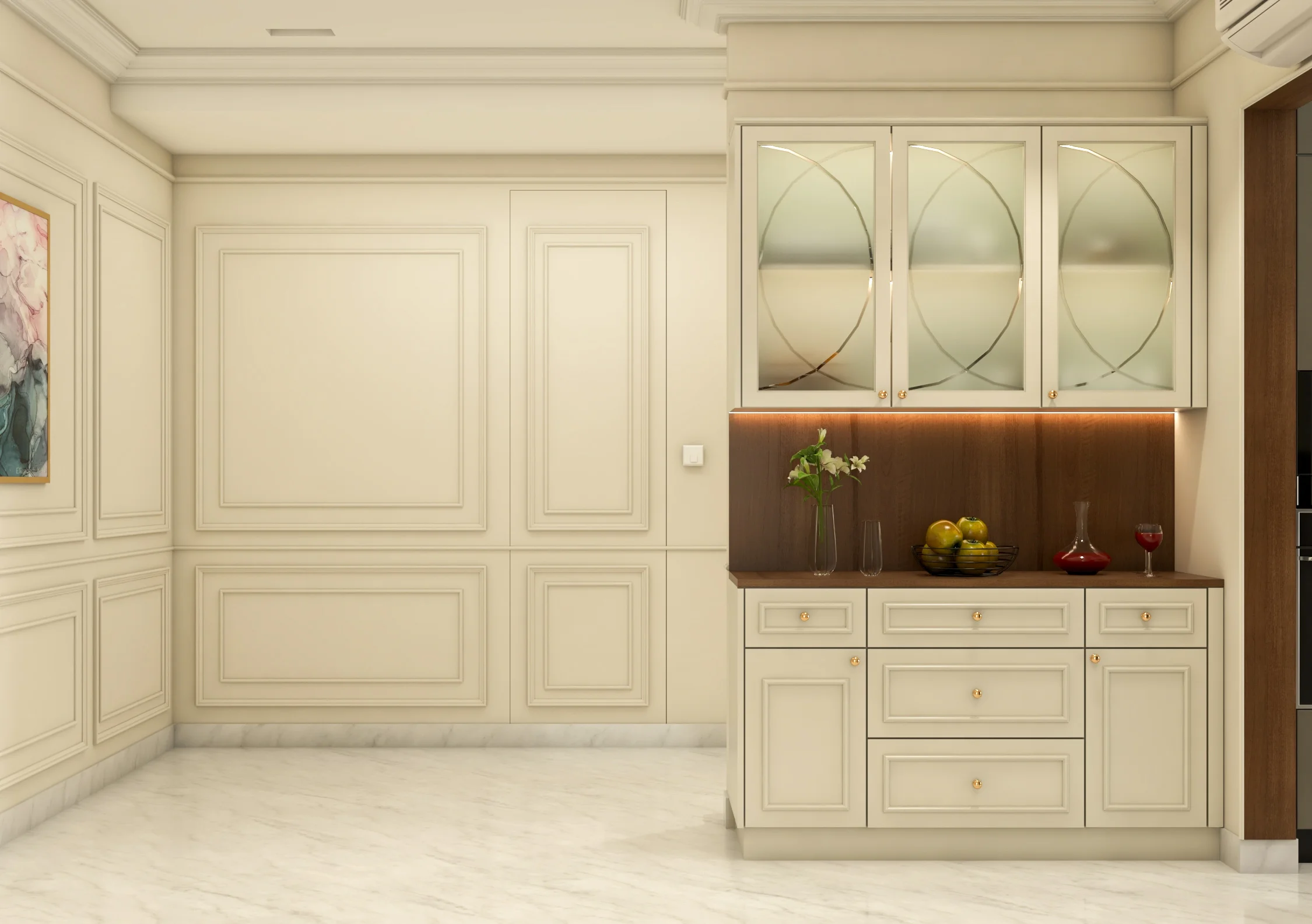
Dark rooms can feel small, gloomy, and uninviting, but you don’t need a full renovation to breathe new life into these spaces. You can brighten even the dimmest corners of your home with thoughtful lighting strategies. Here are some effective ideas to illuminate dark rooms without tearing down walls or adding windows.
1. Layer Your Lighting
Layering light involves combining multiple light sources to achieve a balanced and inviting atmosphere. Use a mix of ambient, task, and accent lighting:
- Ambient Lighting: To establish the room’s overall brightness, start with overhead fixtures like chandeliers, pendant lights, or flush mounts.
- Task Lighting: Add focused light sources like desk lamps, reading lights, or kitchen under-cabinet lighting to brighten work areas.
- Accent Lighting: Highlight specific features, such as artwork or architectural details, using spotlights or LED strips.
2. Embrace LED Strip Lighting
LED strip lights are versatile and energy-efficient. They can be placed under furniture, behind mirrors, or along shelves to create a soft glow. Use warm white or daylight tones for a natural effect that adds depth to the room.
3. Choose Light-Colored Fixtures
Light fixtures with white or metallic finishes reflect light better and make a room feel brighter. Avoid dark-colored lampshades and opt for translucent or white ones to maximize light diffusion.
4. Maximize Reflective Surfaces
Strategically placed mirrors can amplify the light in your room by reflecting it across the space. Hang a large mirror opposite a light source or cluster smaller mirrors to create a focal point. Metallic accents, like brass or chrome decor, can also enhance light reflection.
5. Opt for High-Lumen Bulbs
Brighten your room by using high-lumen LED bulbs with a color temperature of 2700K to 3000K (warm white) or 4000K to 5000K (cool white), depending on your preference. These bulbs are energy-efficient and provide ample light without harshness.
6. Incorporate Floor and Table Lamps
Floor and table lamps are a quick way to add layers of light to a room. Position them in dark corners to eliminate shadows and create a cozy, welcoming atmosphere. Adjustable lamps are particularly useful for directing light where it’s needed most.
7. Use Transparent Window Treatments
If your darkroom has windows, maximize natural light by using sheer or translucent curtains. Avoid heavy drapes that block light, and instead, choose lightweight fabrics in neutral tones to allow sunlight to filter through.
8. Add Wall Sconces
Wall sconces can brighten vertical spaces while freeing up floor and table space. Install them on either side of a mirror, artwork, or bed to create balanced illumination. Opt for adjustable sconces for added flexibility.
9. Try Smart Lighting Solutions
Smart lighting systems, such as Philips Hue or other app-controlled LED bulbs, allow you to customize brightness and color temperature. Set schedules or use voice commands to adapt the lighting to your needs throughout the day.
10. Decorate with Light-Colored Textiles
Although not a direct lighting solution, light-colored rugs, cushions, and curtains can help make a room appear brighter. Pair them with your lighting plan to enhance the overall effect.
Conclusion
Brightening a dark room doesn’t have to mean a costly renovation. By combining the right lighting layers, reflective surfaces, and thoughtful decor choices, you can transform your space into a bright and welcoming retreat. At WeDezine, we specialize in creative interior solutions tailored to your needs. Let us help you bring light into every corner of your home!
