
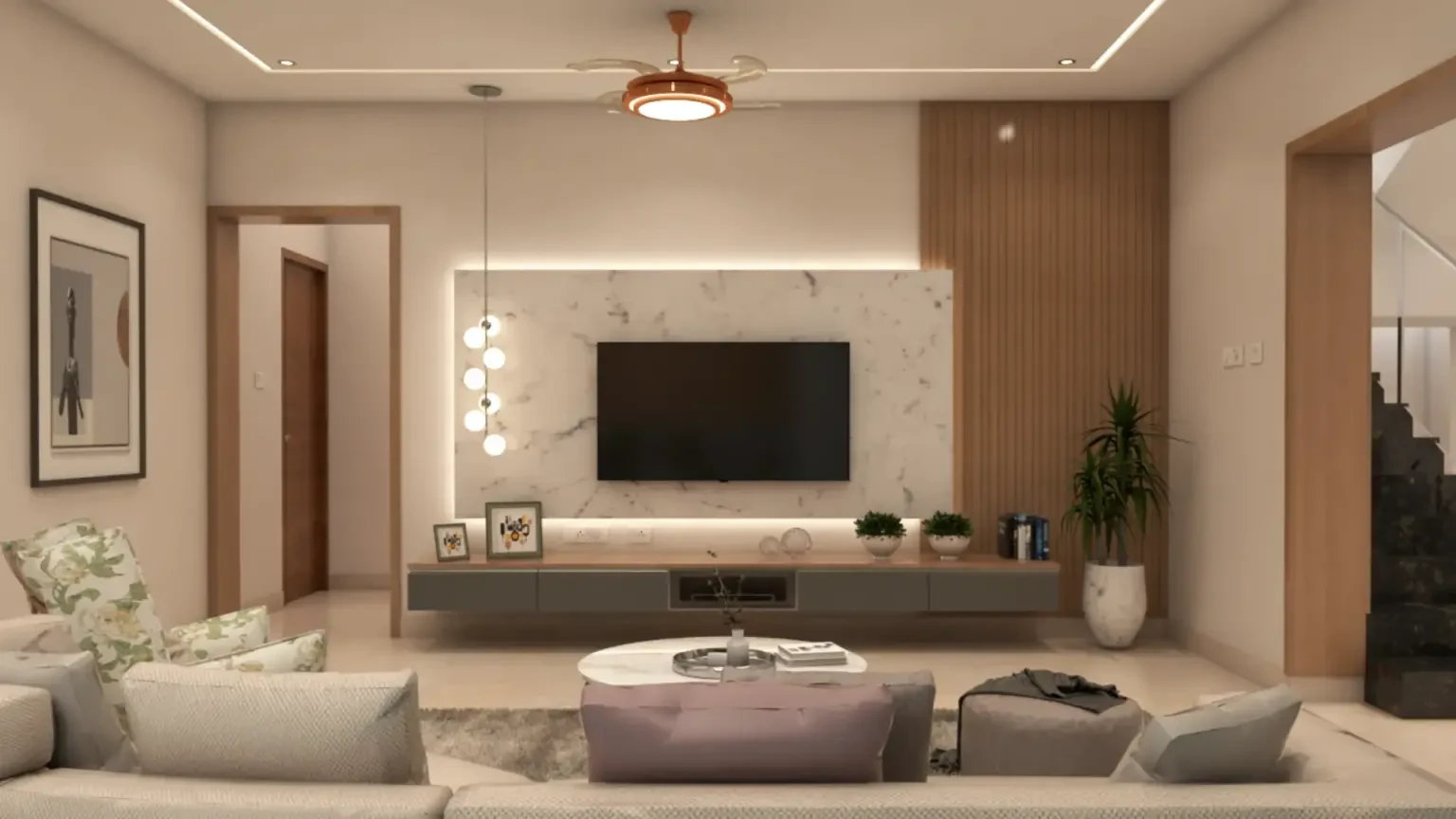
Art is a timeless expression of imagination, culture, emotions, and personal identity. It has the unique ability to communicate stories, evoke feelings, and transform ordinary spaces into extraordinary experiences. In the world of interior design, art plays a vital role in defining the personality of a home, adding visual interest, introducing color and texture, and creating a harmonious atmosphere.
A thoughtfully selected piece of art can completely change the character of a room. Whether it is a striking painting, an elegant sculpture, a gallery wall, or a handcrafted décor piece, art serves as a bridge between functionality and aesthetics. As a leading Interior Design Company in Bangalore, Wedezine understands how to seamlessly blend art and interior design to create spaces that are both beautiful and meaningful.
By carefully selecting artwork that reflects your style, positioning it strategically, and integrating it into the overall design scheme, you can create a living environment that tells your story while enhancing the beauty of your home.
Integrating Art into Interior Design: The Importance of Focal Points
One of the most essential principles in both art and interior design is the concept of a focal point. A focal point is the area that naturally draws attention and becomes the visual anchor of a room. In artwork, focal points guide the viewer’s eye and create engagement. Similarly, in interior spaces, they establish balance, structure, and visual interest.
Professional designers understand that every room benefits from having a focal point. It may be a bold painting above a sofa, a sculptural installation in an entryway, or a carefully curated gallery wall. Once a focal point is established, the surrounding design elements work together to support and enhance it.
Focal points can be created through:
- Color contrast
- Unique textures
- Scale and proportion
- Strategic lighting
- Placement and positioning
- Distinctive artistic styles
When used effectively, focal points create movement and flow, encouraging the eye to travel naturally throughout the space.
Creating Art as the Centerpiece of a Room
Artwork has the power to become the centerpiece of an interior space. A large canvas painting, contemporary sculpture, or statement wall installation can instantly capture attention and define the mood of a room.
When selecting art as a focal point, it is important to consider:
- The overall design theme
- Existing furniture and décor
- Room dimensions
- Color palette
- Desired emotional impact
Large-scale artwork often works exceptionally well in living rooms, dining areas, and entryways, where it can establish a sense of luxury and sophistication. Smaller pieces can be grouped together to create visually engaging gallery walls that add character and storytelling elements to a space.
The design experts at Wedezine carefully select artistic elements that complement the home’s architecture while creating memorable visual experiences.
The Importance of Scale and Placement
Even the most beautiful artwork can lose its impact if it is not displayed correctly. Scale and placement are crucial factors that determine how effectively art interacts with its surroundings.
Large pieces can create dramatic visual statements, while smaller works can add layers of interest and depth. The size of the artwork should be proportional to the wall and furniture around it.
Some important placement guidelines include:
- Hang artwork at eye level whenever possible.
- Leave adequate breathing space around each piece.
- Ensure artwork is proportional to nearby furniture.
- Use symmetrical arrangements for formal spaces.
- Experiment with asymmetrical layouts for modern interiors.
Proper placement helps create a cohesive design and ensures that artwork feels integrated rather than disconnected from the room.
Adding Texture and Dimension Through Art
Art is not limited to paintings alone. Sculptures, mixed-media pieces, wall installations, woven textiles, and handcrafted décor can introduce texture and dimension into an interior.
Three-dimensional art creates depth and visual complexity, making spaces feel more dynamic and engaging. Textured artwork can also add warmth and comfort, especially in contemporary interiors where clean lines and minimalism dominate.
Examples of textured artistic elements include:
- Metal wall art
- Wooden carvings
- Ceramic installations
- Fabric-based artwork
- Stone sculptures
- Handcrafted decorative panels
These elements help create a layered design aesthetic that feels rich, sophisticated, and inviting.
Using Art to Enhance Your Color Scheme
Art is one of the most effective tools for introducing and reinforcing color within a room. A carefully chosen artwork can tie together different design elements and establish a unified visual theme.
Artwork can:
- Introduce accent colors
- Create contrast
- Add vibrancy to neutral spaces
- Soften bold interiors
- Establish a color palette for the room
For example, an abstract painting featuring shades of blue and gold can inspire complementary furniture, cushions, rugs, and accessories. Alternatively, monochromatic artwork can create an elegant and refined atmosphere.
Professional interior designers often use artwork as a starting point when developing a room’s overall color story.
Artistic Furniture: Functional Art for Modern Homes
Art can extend beyond walls and become part of the furniture itself. Artistic furniture pieces serve both practical and decorative purposes, transforming everyday objects into design statements.
Examples include:
- Sculptural coffee tables
- Designer chairs
- Artistic lighting fixtures
- Handcrafted cabinets
- Unique dining tables
- Contemporary bookshelves
These pieces not only enhance functionality but also contribute to the artistic identity of a space. Investing in artistic furniture allows homeowners to showcase their personality while creating a distinctive interior aesthetic.
The Role of Lighting in Showcasing Art
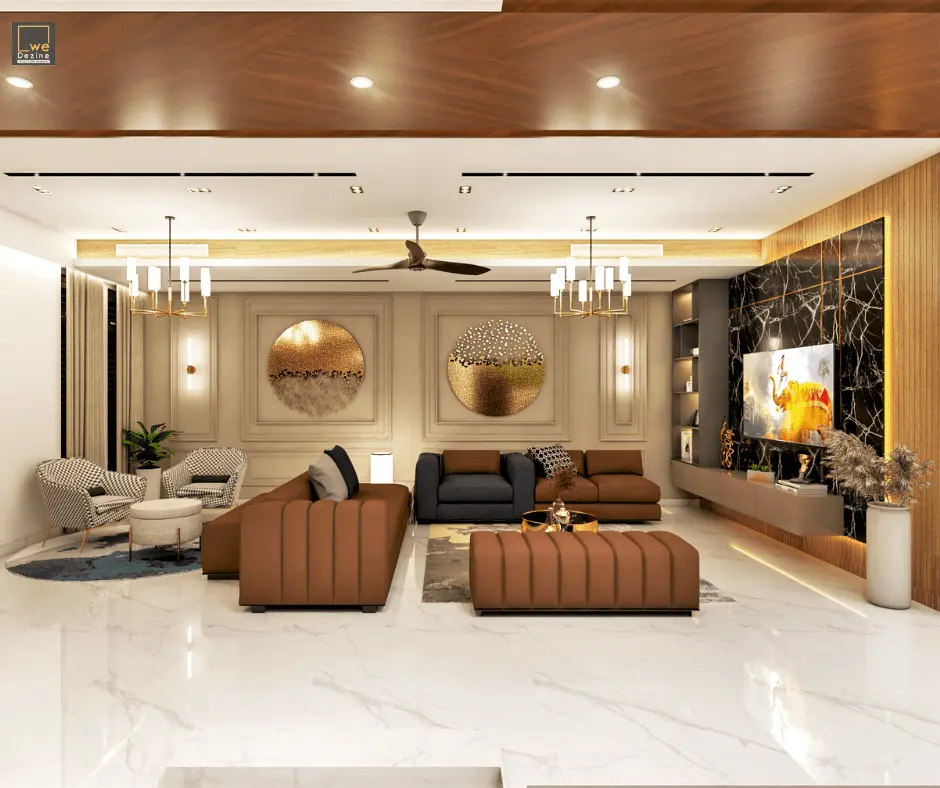
Lighting is often overlooked when displaying artwork, yet it significantly impacts how art is perceived. Proper illumination can highlight textures, enhance colors, and emphasize focal points.
Effective lighting techniques include:
- Accent lighting
- Picture lights
- Wall washers
- Recessed spotlights
- Adjustable track lighting
By directing light strategically, designers can create dramatic effects that elevate both the artwork and the surrounding space.
Personalizing Your Home Through Art
One of the greatest advantages of incorporating art into interior design is the opportunity for personal expression. Art allows homeowners to showcase their interests, experiences, and passions in a meaningful way.
Whether you prefer modern abstracts, traditional paintings, photography, cultural artifacts, or custom commissions, your art collection becomes a reflection of your personality and lifestyle.
A well-curated selection of artwork transforms a house into a home by adding authenticity, emotion, and individuality.
Conclusion
Art and interior design share a powerful relationship that goes far beyond decoration. Thoughtfully selected and strategically placed artwork can create focal points, introduce texture and color, enhance spatial perception, and elevate the overall ambiance of a room.
By understanding the importance of focal points and artistic expression, homeowners can create spaces that are visually captivating, emotionally engaging, and uniquely personal. Every piece of art contributes to the story of a home, adding beauty, sophistication, and character.
At Wedezine, our experienced interior designers combine artistic vision with practical expertise to create inspiring living environments. From selecting statement artworks to designing complete interiors, we help homeowners transform their spaces into elegant reflections of their personality and style.
Explore the endless possibilities of art-inspired interiors and let your home become a masterpiece of creativity, comfort, and design excellence.
