
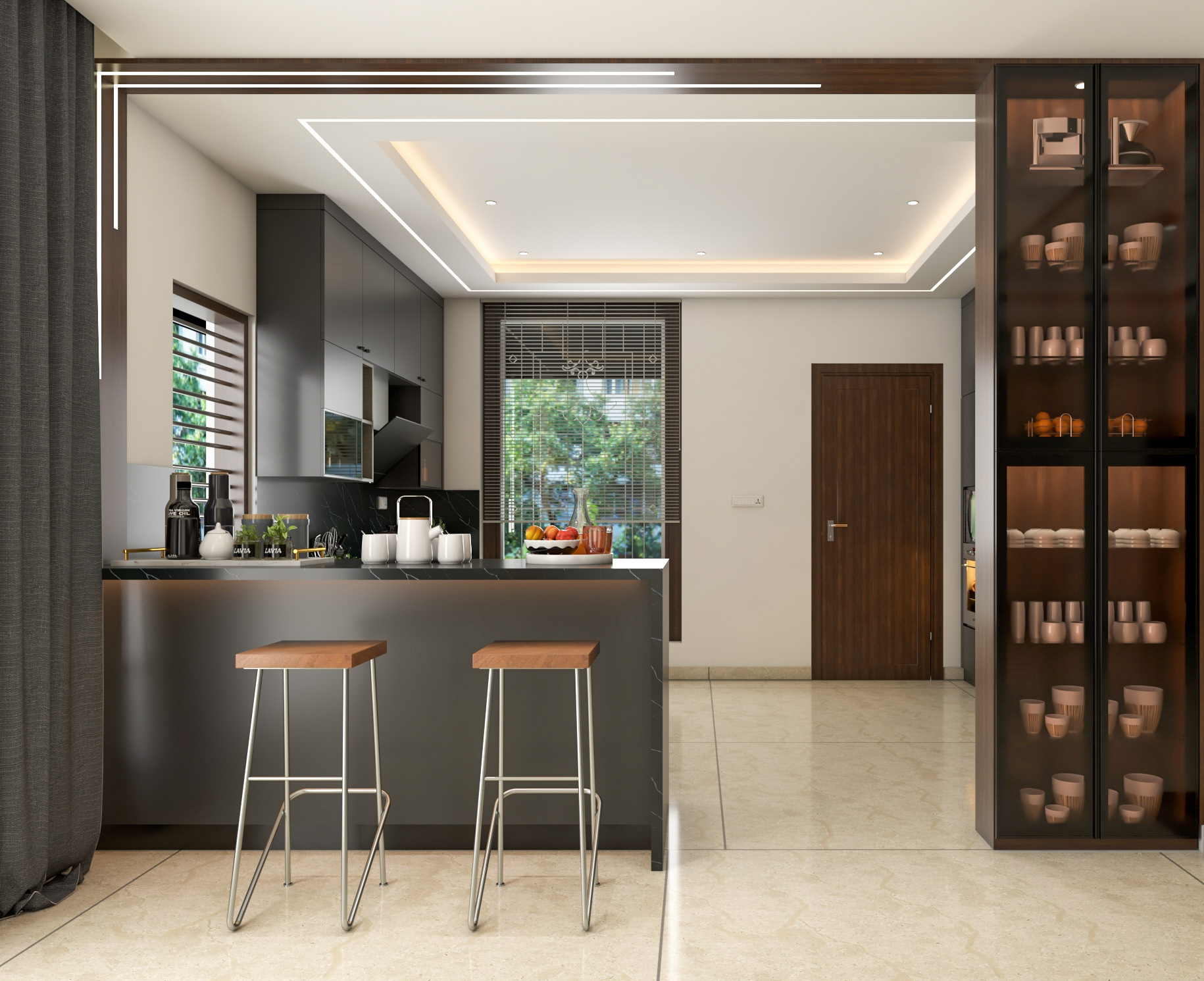
When designing a kitchen, we often focus on layout, color schemes, and appliances. However, an equally crucial aspect of design is texture, which can transform a kitchen from ordinary to extraordinary. At WeDezine, we believe texture is the unsung hero of interior design, bringing depth, warmth, and character to your space. Here’s a closer look at how texture plays a pivotal role in kitchen design and how you can incorporate it effectively.
What Is Texture in Interior Design?
In interior design, texture refers to the surface quality of a material—how it feels and looks. It can be visual (how something appears to feel) or tactile (how it actually feels to the touch). Incorporating a variety of textures creates a layered and dynamic look, preventing spaces from feeling flat or monotonous.
The Importance of Texture in Kitchen Design
- Adds Depth and Interest
A kitchen with a mix of smooth, rough, shiny, and matte surfaces feels more balanced and engaging. For example, pairing sleek countertops with a rustic wooden island creates visual interest and prevents the space from feeling too clinical. - Creates a Cozy and Welcoming Atmosphere
Kitchens are the heart of the home, and incorporating textures like soft fabrics for seating or natural materials like stone and wood can make the space feel warmer and more inviting. - Defines Style
The textures you choose can define your kitchen’s overall aesthetic. Glossy finishes evoke a modern, minimalist vibe, while distressed wood and exposed brick lend themselves to a rustic or industrial look.
Ways to Incorporate Texture in Your Kitchen Design
- Cabinetry
Cabinetry is a dominant feature in most kitchens, offering a perfect opportunity to play with texture. Choose shaker-style cabinets for a classic look, or opt for high-gloss laminate for a contemporary feel. - Countertops
The texture of your countertops can set the tone for your entire kitchen. Polished marble or quartz exudes elegance, while honed granite or concrete adds a more grounded and organic vibe. - Backsplashes
A textured backsplash is an easy way to create a focal point. Subway tiles with beveled edges, natural stone mosaics, or even a brick veneer can make a striking statement. - Flooring
Don’t overlook the floor! Textured tiles, herringbone-patterned wood, or even a polished concrete floor can add a layer of complexity to your kitchen design. - Accents and Accessories
Introduce texture through smaller elements like woven bar stools, fabric runners, or textured ceramics. These accents tie the look together without overwhelming the space. - Lighting
Even lighting fixtures contribute to the texture of your kitchen. Think industrial metal pendants, glass chandeliers, or fabric-covered lampshades to add variety.
Balancing Texture for Harmony
While incorporating texture, it’s essential to maintain a balance. Overloading a kitchen with too many textures can feel chaotic. At WeDezine, we recommend:
- Start Small: Introduce one or two key textures and build around them.
- Stick to a Palette: Choose complementary textures that align with your color scheme.
- Test the Combination: View samples of materials together under your kitchen lighting to ensure they work harmoniously.
Conclusion
Incorporating texture in your kitchen design is more than just an aesthetic choice—it’s a way to add personality, function, and balance. Whether you prefer a modern kitchen with sleek surfaces or a cozy rustic vibe, the thoughtful use of texture can elevate your space.
At WeDezine, we specialize in creating kitchens that are not only functional but also visually stunning. Let us help you design a space where every texture tells a story.
Contact us today to explore innovative kitchen designs that suit your style and needs!
