
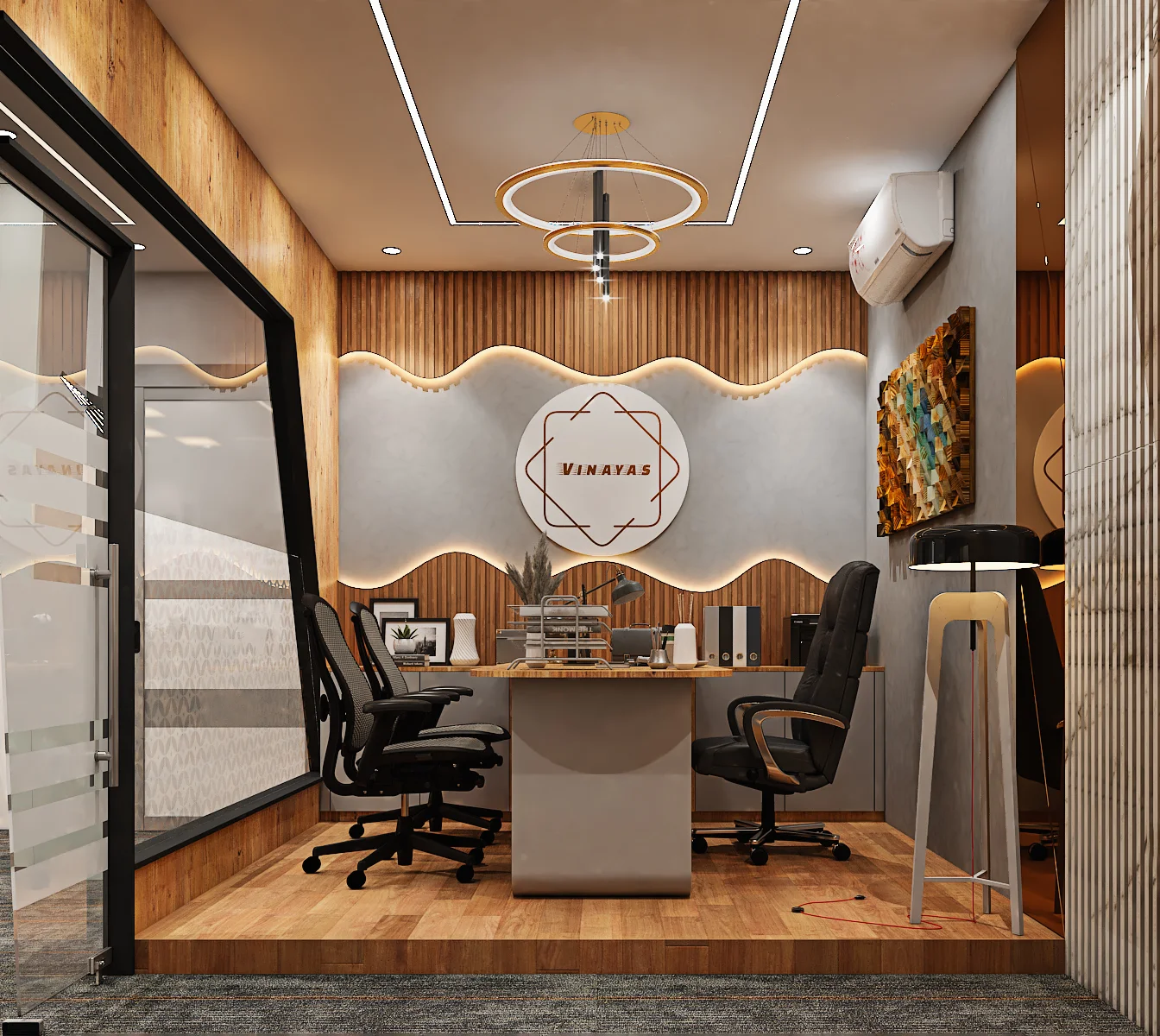
In the modern workspace, design is about more than just aesthetics—functionality, comfort, and productivity play essential roles too. One crucial yet often overlooked element of office design is acoustics. At WeDezine, we believe a well-designed office should support productivity, well-being, and collaboration, which makes optimizing acoustics integral to any successful design. Let’s explore why acoustics are vital in office design and how they can transform your workplace.
1. Understanding Office Acoustics: Why Sound Matters
In an open office setting, constant noise—whether from conversations, phones, or office equipment—can become disruptive and decrease productivity. Studies show that poorly managed noise levels can lead to stress, difficulty concentrating, and overall dissatisfaction with the work environment. Office acoustics focus on controlling these sound levels to create a comfortable auditory environment that minimizes distractions and enhances focus.
2. The Impact of Good Acoustics on Productivity
For teams to work efficiently, they need an environment that supports both concentration and collaboration. Good acoustics help reduce unnecessary noise while preserving sound where it’s needed. Strategic design adjustments to improve acoustics can create quieter spaces for focused work, and livelier, more open areas that facilitate collaboration. As a result, a balanced acoustic environment fosters productivity, creativity, and employee satisfaction.
3. Key Acoustic Challenges in Office Spaces
When designing office acoustics, there are several challenges that WeDezine addresses for optimal sound control:
- Open Plan Layouts: While open layouts encourage collaboration, they also increase noise levels. We utilize design elements that limit the spread of sound without sacrificing the openness that these layouts offer.
- Meeting Rooms and Private Offices: These areas require soundproofing to ensure privacy and confidentiality. Effective acoustic treatment ensures that conversations remain within the space and prevent disruption to others.
- Echoes and Reverberation: Large, hard surfaces like glass and concrete can cause sound to bounce, creating echo and reverberation. By strategically placing soft materials and acoustic panels, we can reduce these effects and create a more comfortable sound environment.
4. Acoustic Solutions WeDezine Recommends for Offices
At WeDezine, we incorporate various solutions to manage sound effectively:
- Acoustic Panels and Wall Treatments: We use sound-absorbing materials that limit noise transfer and reduce echo, such as foam panels, cork walls, and fabric-covered surfaces. These panels are especially effective in open-plan offices and meeting rooms.
- Ceiling Treatments: Sound-absorbing ceiling panels help to capture noise and prevent it from spreading. Suspended ceiling clouds and baffles are both aesthetically pleasing and functionally beneficial in reducing sound reflection.
- Soft Furnishings: Adding rugs, curtains, and upholstered furniture not only enhances the office’s visual appeal but also helps in absorbing sound. These elements are perfect for lounges, breakout areas, and reception zones.
- Partition Walls and Acoustic Dividers: In open spaces, acoustic dividers or glass partitions with soundproofing treatments can help create semi-private areas that limit noise disturbance without closing off the space entirely.
5. The Role of Technology in Acoustic Design
Advancements in technology offer additional ways to enhance acoustics in office spaces. For instance, white noise machines and sound-masking systems can fill an office with a low-level background sound, making conversations less intrusive. Digital tools, such as acoustic simulations, help us plan the best layout for sound management by modeling how sound will interact with different elements of the space. This allows us to optimize designs for the best possible acoustic outcome.
6. Acoustic Design for Remote and Hybrid Workspaces
The shift to remote and hybrid work environments has also influenced office acoustic design. Employees need spaces where they can hold virtual meetings without distractions, making acoustically treated meeting rooms more essential than ever. Additionally, huddle rooms and dedicated video call areas with proper acoustic treatment create a professional sound experience, free of echo and background noise, making calls and presentations more effective.
7. Benefits of Acoustic-Focused Office Design
Prioritizing acoustics has significant benefits:
- Enhanced Concentration: Reduced background noise allows employees to focus on their tasks, leading to better work quality and productivity.
- Increased Privacy: Proper soundproofing in meeting rooms and private offices ensures confidential discussions remain private.
- Improved Health and Well-being: High noise levels can lead to stress and fatigue. A well-managed acoustic environment promotes mental well-being and creates a comfortable work atmosphere.
- Boosted Employee Satisfaction: Employees feel more at ease and valued in a thoughtfully designed, acoustically optimized workspace, increasing job satisfaction and retention.
Final Thoughts
At WeDezine, we believe acoustic design is as essential as any other aspect of office planning. By implementing a tailored acoustic strategy, we create environments where employees feel energized, focused, and comfortable. Whether you’re designing a new office or upgrading an existing space, contact WeDezine to discuss how our expertise in acoustic solutions can elevate your workspace.
For a productive and harmonious office environment, trust WeDezine to shape sound and space in the most inspiring ways. Let’s design an office that sounds as great as it looks!
