
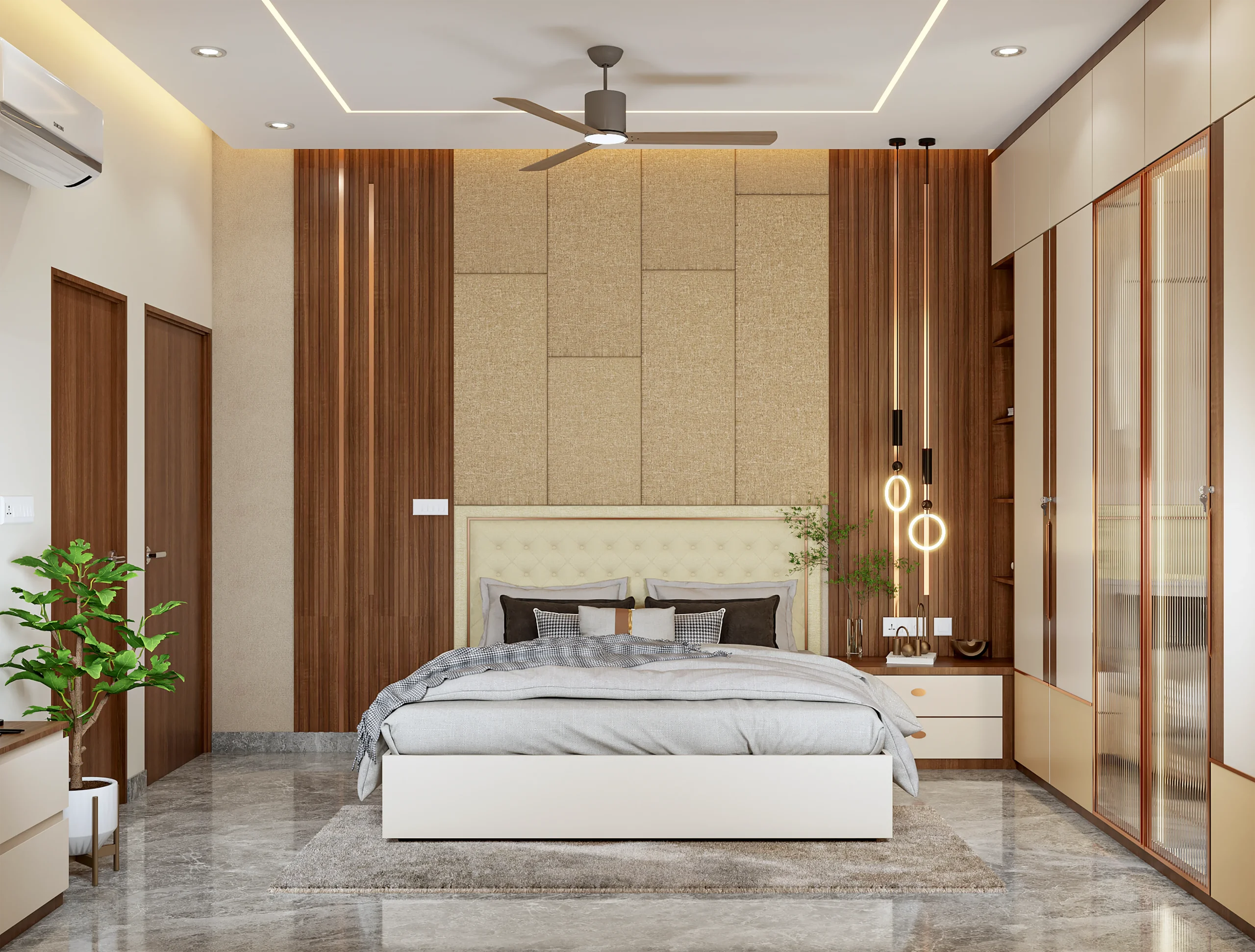
When it comes to bedroom design, privacy is one of the top priorities for creating a relaxing, safe, and personal space. Whether it’s minimizing external noise, shielding from prying eyes, or simply cultivating a sense of intimacy, designing a private bedroom can transform the room into a true sanctuary. Here are some expert insights from WeDezine on designing a bedroom that prioritizes privacy, blending function and aesthetics for a cozy retreat.
1. Optimizing Room Layout for Privacy
- Placement of Bed and Furniture: The bed, being the focal point of a bedroom, should be placed thoughtfully. Position the bed away from the door and windows to maintain a natural sense of security. Arranging larger pieces of furniture, like wardrobes or shelving units, can create visual barriers, adding to the privacy factor.
- Partition Walls and Room Dividers: For larger bedrooms or open-plan spaces, adding a partition wall or a decorative screen provides both privacy and style. Choose materials that match the room’s overall design theme, such as wooden slats for a rustic look, frosted glass for a modern touch, or upholstered dividers for an elegant, soft touch.
2. Window Treatments: Adding Layers for Privacy and Comfort
- Curtains, Blinds, and Shades: Windows are a common source of potential privacy concerns. Blackout curtains, layered with sheer drapes, allow for flexible control over natural light and privacy levels. Roller blinds or Roman shades add a sleek, modern look and can be adjusted to maintain privacy while letting in sunlight.
- Frosted or Tinted Windows: Frosted glass or tinting windows allows for natural light to filter in while maintaining privacy. This is especially beneficial for rooms that are directly facing neighbors or outdoor areas.
3. Acoustic Design: Ensuring Sound Privacy
- Soundproofing Walls and Doors: To create a quiet retreat, soundproofing measures like thick wall insulation and solid-core doors are excellent additions. For apartments and busy urban environments, soundproofing materials like acoustic panels and insulation can effectively dampen noise from adjacent rooms or the outdoors.
- Carpeting and Upholstery: Soft, thick carpets or area rugs absorb sound within the room, minimizing echoes and creating a quieter ambiance. Upholstered furniture, headboards, and drapes also help with sound absorption, enhancing privacy.
4. Smart Lighting Choices for Intimate Spaces
- Layered Lighting for Versatility: Create layers of light with ambient, task, and accent lighting to give more control over brightness and mood. Dimmers on ceiling lights or lamps allow for customizable lighting that complements different activities, from relaxation to reading.
- Strategic Light Placement: Placing lights away from windows and doorways minimizes shadow visibility from outside, keeping the room’s interior private. Adding bedside table lamps or sconces near the bed gives direct lighting where needed without overpowering the room.
5. Color and Texture for a Cozy, Private Atmosphere
- Dark, Rich Tones for a Cozy Feel: Deep shades like navy, charcoal, or forest green provide a cocooning effect, which adds to the room’s private, secluded feel. Combine darker tones with soft, neutral colors for balance.
- Soft Textures for Added Comfort: Plush fabrics like velvet, faux fur, or thick knits add comfort and luxury. Consider soft bedding, throw blankets, or velvet curtains to add warmth and depth, creating a private and inviting environment.
6. Personal Touches to Define Your Private Space
- Customized Decor: Personalize the room with art pieces, family photos, or meaningful decor items that make the bedroom uniquely yours. This not only reinforces the room’s privacy but also adds character, making it feel like a personal sanctuary.
- Storage Solutions for a Clutter-Free Look: Privacy in a bedroom isn’t just about blocking out the external world—it’s also about creating a clear, organized space that helps declutter the mind. Closed storage solutions, like wardrobes with opaque doors, drawer chests, or hidden cabinets, keep personal items neatly tucked away.
7. Advanced Technology for Modern Privacy Needs
- Automated Window Treatments: With smart technology, automated blinds or curtains can open and close at preset times or with the touch of a button, allowing for effortless privacy control. This also offers enhanced security by giving the impression that someone is home even when the room is unoccupied.
- Sound and Light Controls: Smart speakers with white noise or calming sounds can help drown out unwanted external sounds. Additionally, smart lighting can be programmed to shift brightness according to the time of day or personal preference, making it easier to transition from daytime to a cozy nighttime retreat.
Conclusion
Designing a private bedroom goes beyond just closing the door; it’s about creating a space where you can unwind, recharge, and truly relax. By strategically considering layout, materials, and thoughtful decor choices, your bedroom can become a tranquil retreat. At WeDezine, our team of designers is passionate about creating personalized, private sanctuaries for every client, helping you build a bedroom that meets your privacy needs without compromising on style or comfort.
By integrating privacy-focused elements into your bedroom design, you can achieve a personal haven that balances aesthetics with functionality, offering both seclusion and sophistication. Let WeDezine help you create a space that perfectly suits your style and privacy needs, turning your bedroom into a true escape within your home.
