
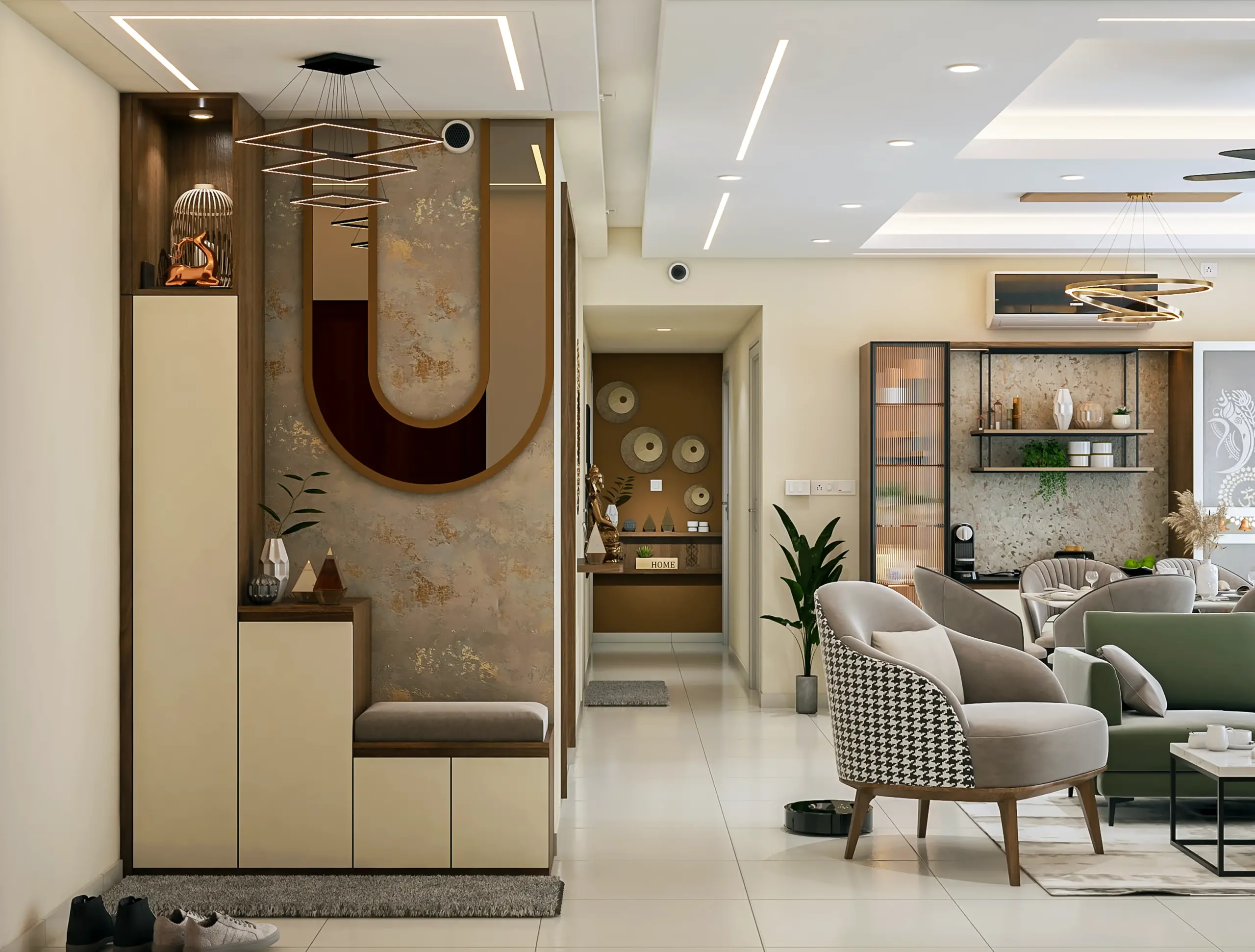
In bustling cities like Bangalore, space is often at a premium. Many of us find ourselves living in compact apartments or homes, making efficient design solutions more crucial than ever. With the right approach, even the smallest of spaces can feel open, airy, and functional. At WeDezine, we specialize in transforming small spaces with smart interior design techniques. Here are some expert tips to help you make your small home feel bigger and more comfortable.
1. Embrace Light Colors and Minimalism
When it comes to designing small spaces, color can make a huge difference. Light colors, such as whites, pastels, and soft neutrals, reflect more light and make a room feel more open. Darker tones, while dramatic, tend to absorb light and can make a space feel smaller. By keeping your color palette light and minimal, you can create an illusion of expansiveness.
Additionally, minimalism is key in small spaces. Opt for clean, simple furniture and décor that doesn’t overwhelm the room. Less clutter equals more perceived space!
2. Use Multifunctional Furniture
Investing in multifunctional furniture is one of the smartest ways to maximize small spaces. Think foldable tables, sofa beds, or ottomans with hidden storage. These pieces save space and serve multiple purposes, reducing the need for excess furniture. For example, a bed with storage drawers underneath eliminates the need for a bulky dresser, while a dining table that doubles as a desk provides a versatile work-and-dine setup.
3. Leverage Vertical Space
When floor space is limited, look up! Vertical storage and design can transform a cramped room into an organized, stylish space. Install floating shelves or tall bookcases to store items vertically rather than horizontally. Floor-to-ceiling curtains can also draw the eye upward, giving the impression of height.
In small kitchens or bathrooms, consider using wall-mounted racks or hooks to store utensils or towels, freeing up valuable counter space.
4. Opt for Mirrors and Reflective Surfaces
Mirrors are a designer’s secret weapon when it comes to making a small room feel larger. By reflecting light, mirrors give the illusion of more space and depth. Place mirrors opposite windows or other light sources to amplify natural light in the room. You can also incorporate reflective surfaces, such as glossy cabinets or glass tabletops, to achieve a similar effect.
5. Create Zones in Open Spaces
Small, open-plan living spaces can feel disorganized if not properly zoned. Create distinct areas for different functions, such as dining, lounging, and working. Use rugs, furniture arrangement, or even lighting to define these spaces without the need for walls. This organization makes the room feel larger and more purposeful.
For example, a rug beneath a coffee table can visually separate the living area from the dining space, even if they are in the same room.
6. Let Natural Light In
Natural light is a game-changer for any small space. Maximize the amount of daylight that enters the room by keeping window treatments light and airy. Sheer curtains or blinds allow light to filter in while maintaining privacy. Avoid heavy drapes, which can make the space feel enclosed.
If privacy isn’t a concern, keeping windows bare or opting for glass doors can flood the space with light, making it feel more open.
7. Opt for Slim, Sleek Furniture
Bulky furniture can quickly overwhelm a small room. Instead, opt for slim, sleek furniture with legs. Furniture that is raised off the floor, such as sofas and chairs with exposed legs, creates a sense of openness by allowing the floor to be visible beneath. This trick gives the impression of more space while still providing functional seating and storage.
8. Incorporate Smart Storage Solutions
Effective storage solutions are crucial in small homes. Built-in cabinets, wall-mounted shelves, and under-bed storage can help keep your space tidy without taking up extra room. The goal is to keep clutter out of sight and maximize every nook and cranny.
For example, in a small kitchen, consider installing pull-out pantry shelves or using vertical dividers in cabinets to organize dishes and cookware efficiently.
9. Keep the Floor Clear
In small spaces, even a little bit of floor clutter can make a room feel cramped. Whenever possible, keep the floor clear. Wall-mounted or floating furniture, such as vanities, desks, or shelving units, frees up floor space and gives the room a more open feel. If possible, invest in cordless appliances to eliminate messy wires on the floor.
10. Personalize with Purpose
While it’s important to keep things simple, small spaces don’t have to be boring. Personalize your space with a few statement pieces—whether that’s artwork, bold throw pillows, or a unique light fixture. Just be mindful not to over-decorate, as too many items can make the room feel cluttered.
Choose décor items that enhance the sense of space rather than detract from it. For example, large-scale art can add personality without overwhelming the walls.
Conclusion
Designing small spaces to feel larger is all about balance and creativity. By embracing light colors, using multifunctional furniture, maximizing vertical space, and incorporating smart storage solutions, you can transform even the tiniest of rooms into a functional, comfortable, and stylish home. At WeDezine, we specialize in creating custom interior design solutions tailored to your space and lifestyle, ensuring that your home feels spacious and inviting.
If you’re in Bangalore and looking to redesign your small space, get in touch with our experts at WeDezine. Let’s make your compact home feel bigger, brighter, and more beautiful with smart design!
