
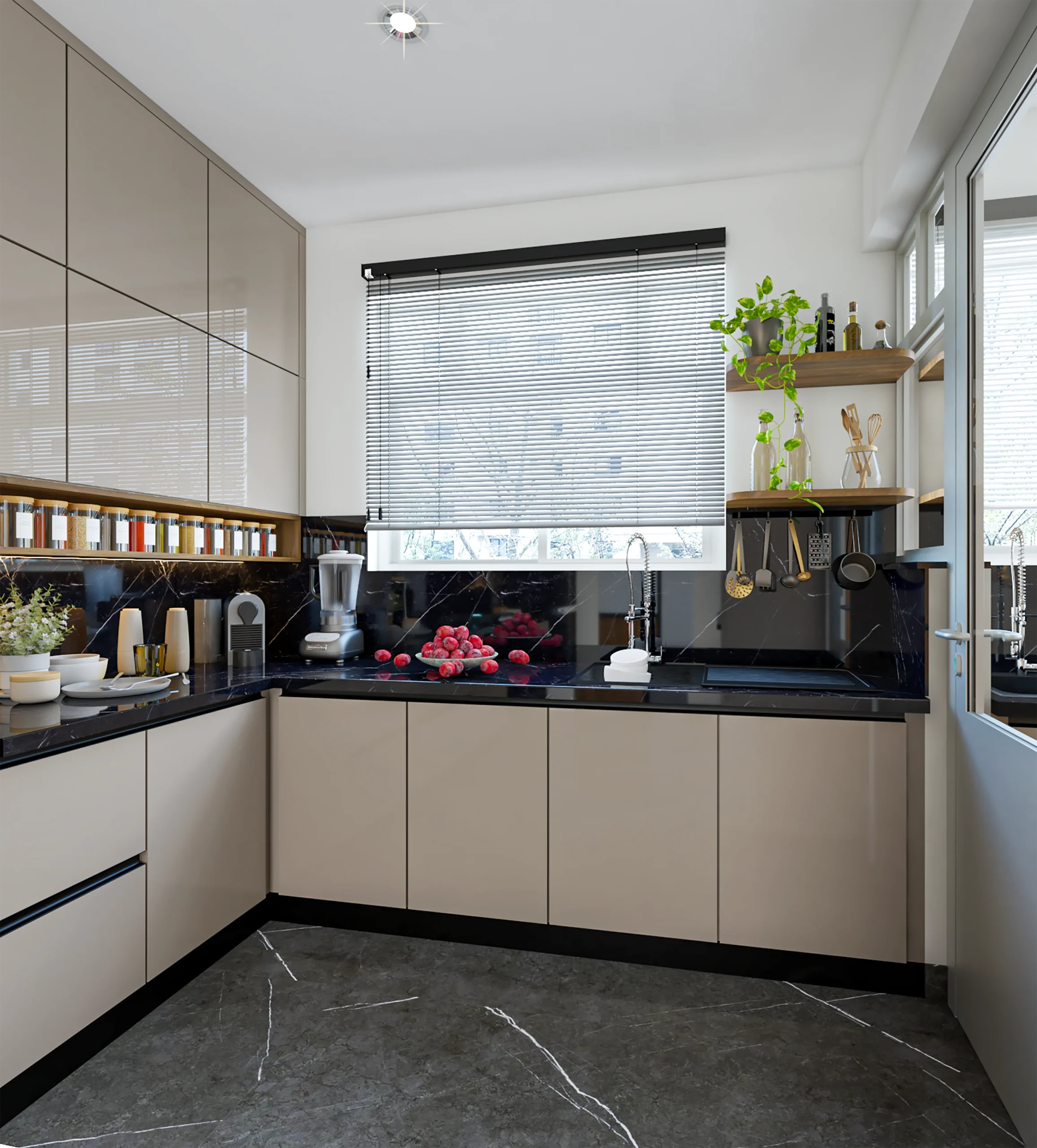
The kitchen is often the heart of a home, and for many, it holds deep cultural significance. Integrating cultural elements into your kitchen design not only creates a personalized space but also pays homage to your roots and traditions. For a city like Bangalore, with its melting pot of cultures and global influences, incorporating cultural elements can turn your kitchen into a beautiful blend of tradition and modernity. At WeDezine, we believe that your kitchen can reflect your heritage and identity while still being functional and stylish. Here’s how you can integrate cultural elements into your kitchen design:
1. Use Traditional Materials and Textures
One of the simplest ways to bring cultural elements into your kitchen is by using traditional materials. For example:
- Indian Kitchens: Incorporate brass, copper, or clay for utensils, storage containers, and even sinks. Hand-carved wooden cabinets with intricate patterns inspired by Indian architecture can add a regal touch.
- Mediterranean Influence: If you’re inspired by Mediterranean culture, consider using natural stones like marble or terracotta tiles for the countertops and flooring.
- Japanese Zen: Minimalist wooden cabinetry, bamboo flooring, and sliding screens (fusuma) can give your kitchen a serene, Japanese-inspired look.
These materials are not only aesthetically pleasing but also have a cultural backstory, connecting your kitchen to a rich heritage.
2. Incorporate Cultural Color Palettes
Colors play a significant role in reflecting cultural elements. Choosing a culturally significant color palette can transform the ambiance of your kitchen.
- Indian Kitchens: Indian kitchens often feature rich, earthy colors like deep reds, burnt oranges, and mustard yellows. These colors create warmth and exude a sense of tradition.
- Scandinavian Influence: If you prefer a Scandinavian style, opt for lighter shades like whites, pale blues, and greys with natural wood accents for a clean, modern, and cozy feel.
- Moroccan Style: Think bold, vibrant colors such as cobalt blue, emerald green, and bright saffron. Incorporate mosaic tiles with geometric patterns for a more authentic look.
Choosing colors that resonate with your cultural background can create a kitchen that feels uniquely yours.
3. Integrate Cultural Patterns and Motifs
Patterns and motifs can bring out the cultural charm in a subtle yet powerful way.
- Tiles: Moroccan tiles with intricate patterns, Indian jaali (lattice) designs, or Spanish-style hand-painted tiles can be used as a backsplash, making your kitchen stand out.
- Textiles: Use culturally inspired textiles for curtains, tablecloths, and cushions. For example, Indian block prints, ikat patterns, or Persian rugs can infuse warmth and identity into your kitchen space.
- Wallpaper: If you’re feeling adventurous, use wallpapers featuring cultural motifs, such as paisley, mandalas, or floral designs, which are often seen in Indian or Persian art.
These patterns not only add visual interest but also tell a story about the culture they represent.
4. Incorporate Cultural Art and Artifacts
Your kitchen can also serve as a display space for cultural art and artifacts. Showcase items that are significant to your heritage.
- Wall Art: Hang traditional paintings, framed textiles, or prints that depict scenes from your culture, whether it’s Indian temple art, Chinese scroll paintings, or African tribal patterns.
- Artifacts: Display culturally significant objects, such as handcrafted pottery, heirloom utensils, or even family artifacts, which add a personal touch to your space.
These elements make your kitchen a conversation starter and a space that reflects your personal history.
5. Functional Elements with Cultural Roots
Incorporating cultural elements into the functional aspects of your kitchen can be both practical and beautiful.
- Indian Tandoor and Spice Rack: If you love Indian cooking, why not install a traditional tandoor or add a custom spice drawer or rack for easy access to your masalas?
- Asian Wok Station: If you’re inspired by East Asian cuisines, consider a built-in wok station or even bamboo steamers on open shelves, creating both a functional and decorative touch.
- Pizza Oven: For those with Italian roots or an affinity for Mediterranean cuisine, incorporating a wood-fired pizza oven in your kitchen design will create an authentic cooking experience while paying homage to cultural traditions.
These elements make the kitchen more than just a place to cook—it becomes a place to celebrate your culinary heritage.
6. Lighting Inspired by Culture
Lighting is an often overlooked aspect of kitchen design, but it can be an excellent way to bring cultural elements into your kitchen.
- Indian and Moroccan Lanterns: Opt for traditional lantern-style pendant lights, such as brass or copper hanging lamps, inspired by Indian or Moroccan designs.
- Minimalist Scandinavian Lighting: For a Nordic touch, go for simple, minimalist light fixtures, often made from natural materials like wood or metal, with a focus on functionality.
- Italian Chandeliers: If you love the opulence of Italian decor, a glass or crystal chandelier over the dining area can bring a touch of old-world elegance to your kitchen.
The right lighting can highlight the cultural features of your kitchen while creating the perfect ambiance for cooking and entertaining.
7. Blend Tradition with Modernity
In a cosmopolitan city like Bangalore, you can seamlessly blend traditional elements with modern design. For example:
- Minimalist Layout with Traditional Decor: Opt for sleek, modern cabinetry and appliances, but add traditional accents like hand-carved wooden shelves or antique brass handles.
- Open Floor Plan with Cultural Displays: An open kitchen with a modern design can feature cultural artifacts, art pieces, or traditional cooking tools that celebrate your heritage while keeping the space contemporary and functional.
This balance between modernity and tradition allows you to enjoy the conveniences of contemporary kitchen design while honoring your cultural roots.
Conclusion
Integrating cultural elements into your kitchen design allows you to create a space that is not only functional but also deeply personal. Whether you incorporate traditional materials, colors, patterns, or functional items, your kitchen can reflect your heritage and tell a unique story. At WeDezine, we specialize in designing kitchens that balance modern convenience with cultural significance. Let your kitchen be a space where tradition meets innovation, creating a warm, inviting atmosphere for cooking and gathering.
Feel free to reach out to WeDezine to create a kitchen that reflects your cultural identity while keeping up with contemporary trends.
