
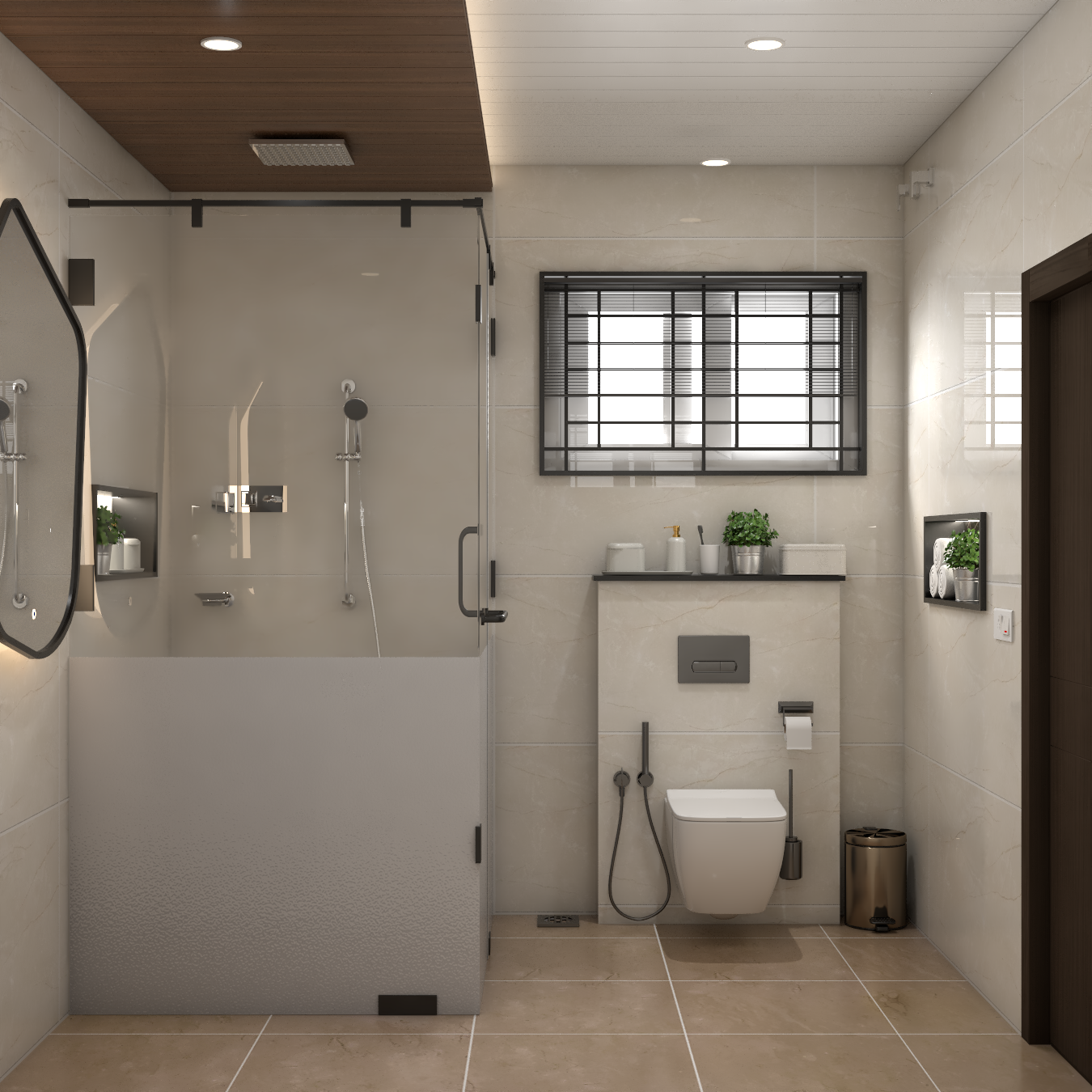
Designing a bathroom might seem straightforward, but it’s an area of the home that requires careful planning. With limited space, functional necessities, and the desire for aesthetics, it’s easy to make mistakes that can impact both style and usability. To help you create a bathroom that balances form and function, here are the top 5 bathroom design mistakes to avoid.
1. Overlooking Proper Ventilation
A common mistake in bathroom design is neglecting adequate ventilation. Bathrooms are humid environments, and without proper airflow, moisture can lead to mold, mildew, and unpleasant odors.
How to Avoid: Ensure your bathroom has a high-quality exhaust fan that’s appropriately sized for the room. For natural ventilation, consider installing operable windows or a skylight. This not only helps keep the space fresh but also prevents damage to walls, paint, and fixtures over time.
2. Poor Lighting Choices
Bathrooms often suffer from inadequate or poorly placed lighting, making them feel dark and cramped. Overhead lighting alone creates shadows, especially around the vanity, making daily tasks like shaving or applying makeup challenging.
How to Avoid: Layer your lighting. Combine ambient lighting with task lighting around mirrors and vanity areas. Consider installing dimmable lights to create a relaxing atmosphere for baths, and make sure the light fixtures are moisture-resistant.
3. Neglecting Storage Needs
A lack of storage is a frequent complaint in bathroom design. Insufficient storage leads to cluttered countertops, making the bathroom look smaller and disorganized.
How to Avoid: Incorporate smart storage solutions such as built-in shelves, recessed cabinets, and vanity units with ample drawer space. Utilize vertical space with wall-mounted shelves or medicine cabinets, and consider adding niches in the shower for toiletries.
4. Choosing the Wrong Materials
Bathrooms are exposed to constant moisture, and selecting the wrong materials can lead to premature wear and damage. Using materials that are not water-resistant, like untreated wood or certain types of paint, can cause significant problems.
How to Avoid: Opt for moisture-resistant materials such as porcelain or ceramic tiles, natural stone, or engineered wood with a waterproof finish. For countertops, consider quartz or granite, which are durable and easy to maintain. Ensure that all paints, wallpapers, and sealants are suitable for high-humidity environments.
5. Ignoring Ergonomics and Layout
A poorly planned layout can make even a large bathroom feel cramped and uncomfortable. Fixtures placed too close to each other, doors that swing the wrong way, or a shower that blocks access can disrupt the flow of the space.
How to Avoid: Plan your bathroom layout with functionality in mind. Ensure there is enough clearance around fixtures and furniture for easy movement. Consider the placement of the toilet, sink, and shower to maximize space. For small bathrooms, consider space-saving options like wall-mounted sinks, floating vanities, or pocket doors.
