
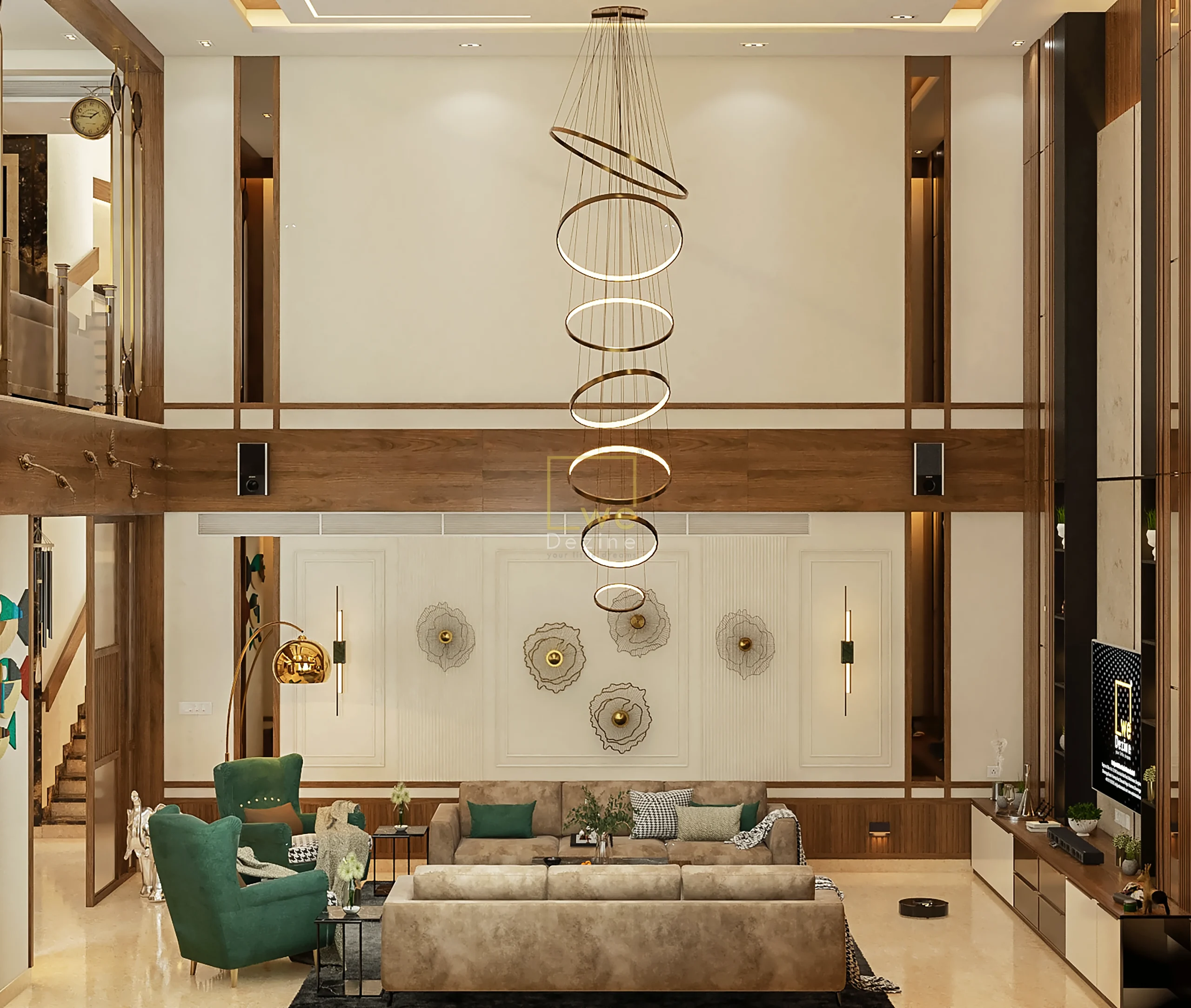
When creating truly stunning interiors, texture often gets overlooked—but it’s one of the most powerful tools in a designer’s toolbox. At WeDezine, we understand that thoughtful use of contrasting textures can bring a room to life, adding depth, warmth, and a sense of balance.
So what exactly does “texture” mean in interior design, and how can you use it to enhance your space? Let’s dive in.
What Is Texture in Interior Design?
In simple terms, texture refers to the surface quality of an object—how it feels or looks like it feels. This could be the softness of a velvet cushion, the grain of a wooden table, or even the reflective finish of a glass vase.
There are two main types:
- Tactile texture – what you physically feel.
- Visual texture – how something looks, regardless of how it actually feels.
Combining different textures creates contrast, which keeps your space from feeling flat or boring. Think of it like a recipe—too much of the same ingredient can fall flat, but the right mix creates something special.
Why Contrasting Textures Work
Contrasting textures can:
- Add dimension to a flat or minimal design
- Highlight key features in the room
- Create a sense of coziness or sophistication, depending on the materials used
When done right, it’s an easy way to make any room feel curated and visually interesting.
Simple Ways to Mix Textures in Your Home
Here are a few designer-approved ways we use texture to bring Bangalore homes to life:
1. Combine Hard and Soft
Pair soft furnishings like linen curtains or a wool rug with harder surfaces like stone countertops or wooden floors. The contrast keeps the space balanced and inviting.
2. Mix Matte and Glossy Finishes
Play with shine! Use matte walls alongside glossy tiles or lacquered furniture for a touch of glamour and light play.
3. Blend Natural with Industrial
Add personality by mixing raw materials—like jute rugs and rattan furniture—with industrial elements such as metal light fixtures or concrete walls.
4. Layer Fabrics and Rugs
Layering fabrics adds instant warmth. Think velvet cushions on a cotton sofa or a textured rug over a smooth floor.
5. Use Textured Accent Walls
A feature wall with stone cladding, patterned tiles, or even textured paint adds a striking focal point to your room.
6. Add Greenery
Plants are not just good for the air—they bring in soft, organic textures that break the monotony of modern surfaces.
Texture Tips for Bangalore Homes
Living in a vibrant, tropical city like Bangalore means your design choices should also be practical. Use breathable textures like cotton, cane, and linen to beat the humidity. Incorporate natural materials like terracotta, bamboo, and teak to keep things grounded and eco-friendly.
Let WeDezine Transform Your Space
At WeDezine, we bring an expert eye for texture, balance, and detail to every project. Whether you live in a modern apartment in Indiranagar or a spacious villa in Sarjapur, we’ll help you craft interiors that feel as beautiful as they look.
Ready to give your home a texture-rich makeover?
📞 Contact us today for a free consultation.
