
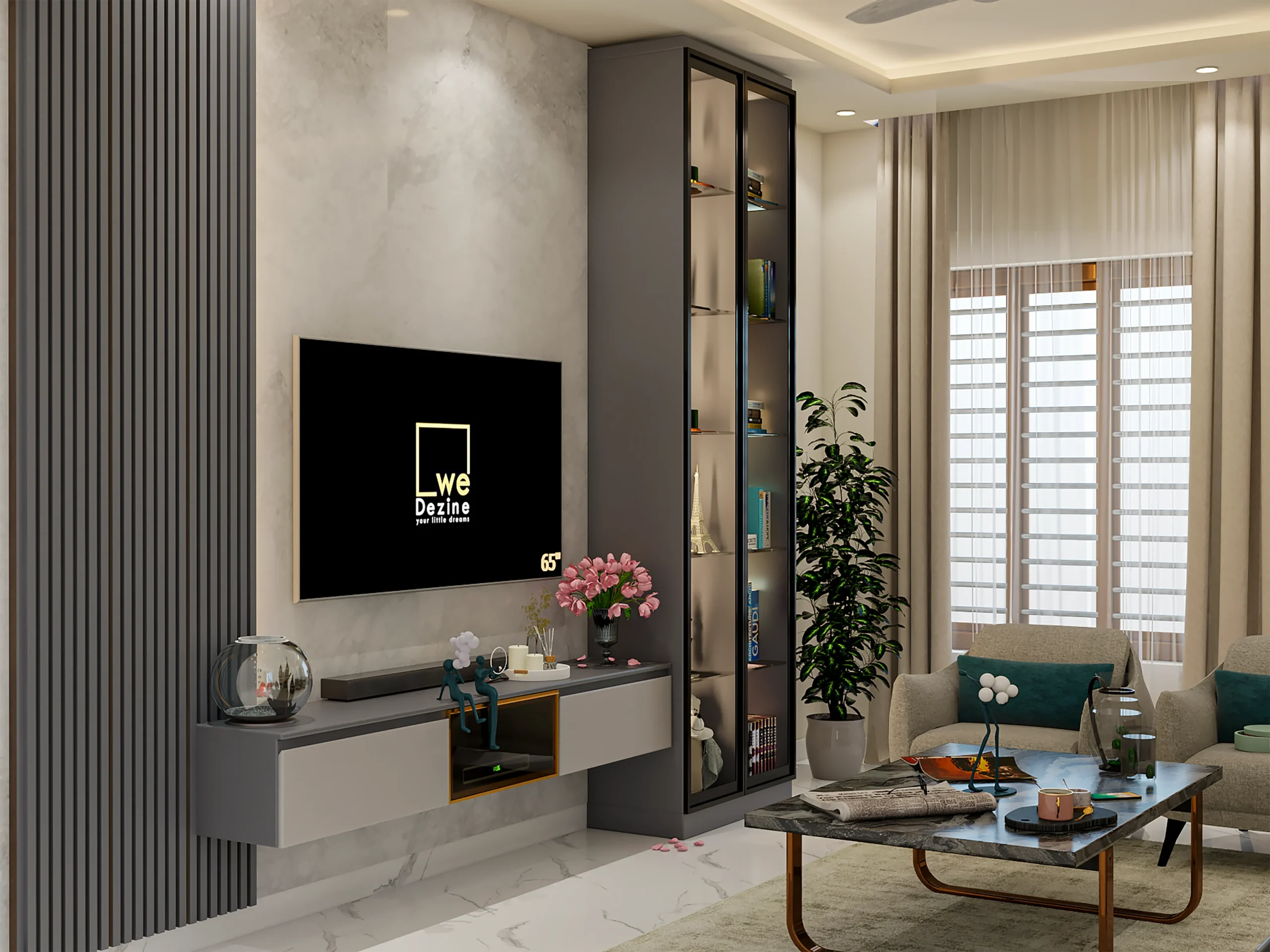
In a world increasingly focused on environmental responsibility, sustainable interior design is no longer just a trend—it’s a lifestyle choice. As the best interior design company in Bangalore, WeDezine is committed to helping homeowners create beautiful, functional, and eco-conscious living spaces. Your living room, the heart of your home, is the perfect place to start.
Here are some in-depth eco-friendly living room design ideas that blend sustainability with sophistication.
1. Opt for Sustainable and Ethical Furniture
When choosing furniture, think beyond aesthetics. Go for pieces crafted from reclaimed wood, certified sustainable timber (like FSC-certified wood), or fast-growing materials like bamboo and rattan. These options are durable, renewable, and give your space a warm, organic touch.
Pro Tip:
Support local artisans in Bangalore who use sustainable practices. Handmade furniture often has a lower carbon footprint than mass-produced alternatives and adds a unique, personal charm to your living room.
2. Use Eco-Friendly Paints and Wall Finishes
Conventional paints often contain Volatile Organic Compounds (VOCs), which release toxins into the air long after application. Switch to low-VOC or zero-VOC paints, limewash finishes, or clay-based plasters to protect your family’s health and improve indoor air quality.
Bonus:
Earthy tones and soft neutrals enhance natural light and pair beautifully with eco-conscious decor.
3. Incorporate Indoor Plants for a Greener Space
Plants are natural air purifiers and create a soothing, refreshing environment. Popular low-maintenance indoor plants that thrive in Bangalore’s climate include:
- Areca Palm
- Peace Lily
- Snake Plant
- ZZ Plant
- Pothos
Use recycled pots, terracotta planters, or even DIY containers to add character while staying eco-friendly.
4. Maximise Natural Light and Ventilation
A well-lit room reduces the need for artificial lighting and heating. Design your living room layout to take advantage of sunlight and cross-ventilation.
Design Suggestions:
- Use sheer cotton curtains instead of heavy synthetics
- Place mirrors strategically to reflect light and open up the space
- Choose light-coloured wall paints to brighten your room naturally
5. Choose Energy-Efficient Lighting
Lighting can make or break the sustainability of your living room. Replace incandescent bulbs with LEDs or CFLs, which consume less energy and have a longer lifespan.
Upgrade Options:
- Smart lighting systems that allow dimming and scheduling
- Solar-powered lamps for balconies or sunlit areas
- Motion sensor lights for less frequently used corners
6. Use Natural and Organic Textiles
Textiles like rugs, curtains, cushions, and throws add layers of comfort, but synthetic fabrics can be harmful to the environment. Choose materials such as:
- Organic cotton
- Linen
- Hemp
- Jute
- Khadi or handwoven fabric (locally made in India)
Style Tip:
Combine textures—like a jute rug with linen curtains—for an earthy, modern look.
7. Upcycle and Repurpose Décor
Rather than buying new items, consider repurposing old furniture, reusing wood or metal, and transforming them into creative décor elements. Old ladders can become bookshelves, crates can turn into coffee tables, and leftover tiles can be framed as wall art.
This adds a personal touch to your space while reducing waste.
8. Design with Minimalism in Mind
Minimalist design isn’t just visually calming—it’s also inherently eco-friendly. Less clutter means less consumption. Prioritize:
- Multi-functional furniture (like storage ottomans or sofa beds)
- Open layouts that make the room feel spacious
- Thoughtful decor—only keep what adds value or meaning
9. Choose Sustainable Flooring Materials
Flooring contributes significantly to a room’s eco-footprint. Consider:
- Bamboo flooring: fast-growing, renewable, and durable
- Cork: natural, soft underfoot, and biodegradable
- Recycled wood or stone tiles
- Locally sourced Kota or Kadapa stone (affordable and eco-friendly options widely available in India)
10. Smart Waste Management During Renovation
When redesigning, reduce construction waste by reusing materials. Work with contractors and designers who follow green practices—such as separating recyclable debris and using eco-certified adhesives and sealants.
Final Thoughts: Create a Living Room That Gives Back
Eco-friendly living isn’t just about trends—it’s about making intentional choices that reduce harm and improve well-being. At WeDezine, we design living spaces that reflect your values and personality while being kind to the planet.
Looking to turn your living room into a sustainable sanctuary?
📞 Contact WeDezine today for a free design consultation.
Let’s build a greener Bangalore, one living room at a time.
