
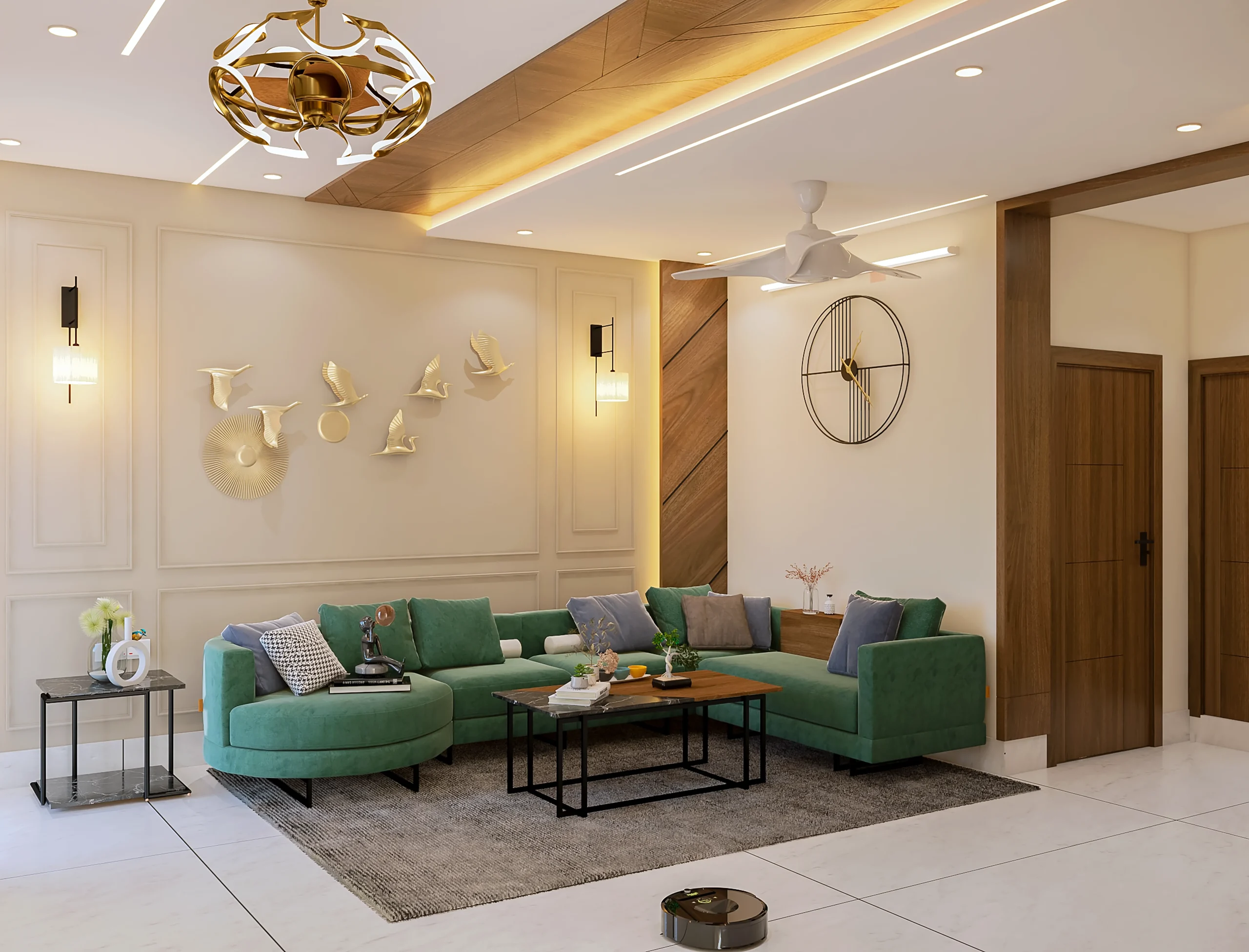
In the dynamic world of interior design, aesthetics, and functionality go hand in hand. However, beyond the visual appeal of a space, one crucial factor that influences design decisions is ergonomics. At WeDezine, we understand that a well-designed space should not only look stunning but also support the well-being and comfort of its occupants. In this blog, we explore the significance of ergonomics in modern interior design and how it enhances both residential and commercial spaces.
What is Ergonomics in Interior Design?
Ergonomics is the science of designing environments that complement the physical and cognitive capabilities of individuals. In interior design, this means creating spaces that promote comfort, efficiency, and safety while reducing strain and discomfort. By integrating ergonomic principles, designers ensure that furniture, lighting, layout, and materials contribute to a harmonious and user-friendly environment.
The Importance of Ergonomics in Modern Spaces
1. Enhancing Comfort and Productivity
Whether it’s a home office, a corporate workspace, or a cozy living room, ergonomic design plays a crucial role in enhancing comfort. Properly designed chairs, desks, and seating arrangements help maintain good posture, reduce fatigue, and boost overall productivity.
2. Reducing Health Risks
Poor design choices, such as incorrect chair height, poor lighting, or inadequate ventilation, can lead to health issues like back pain, eye strain, and respiratory problems. Incorporating ergonomic solutions ensures better posture, reduces physical stress, and creates a healthier indoor environment.
3. Optimizing Space Utilization
Efficient space planning is an integral part of ergonomic design. It involves arranging furniture and fixtures in a way that enhances movement, accessibility, and ease of use. This is particularly important in urban homes and commercial spaces where maximizing utility without compromising comfort is essential.
4. Adapting to Modern Work and Lifestyle Trends
With the rise of remote work and flexible living spaces, ergonomic design has become more relevant than ever. Adjustable furniture, multi-functional workspaces, and smart home integrations allow individuals to customize their environments to suit their needs.
Key Ergonomic Elements in Interior Design
- Furniture Selection: Ergonomic chairs, height-adjustable desks, and cushioned seating contribute to posture support and comfort.
- Lighting Design: Natural lighting, task lighting, and ambient lighting are crucial in reducing eye strain and enhancing mood.
- Material Choice: Non-toxic, sustainable, and breathable materials improve indoor air quality and overall well-being.
- Spatial Planning: Thoughtful placement of furniture, walkways, and storage solutions ensures ease of movement and functionality.
Conclusion
At WeDezine, we believe that interior design should be as functional as it is beautiful. Ergonomics is a vital aspect of modern design that enhances comfort, promotes health, and optimizes space for contemporary living. Whether you are redesigning your home or workspace, incorporating ergonomic principles will help create a space that is not only visually appealing but also truly livable.
Looking to design a space that blends style with comfort? Connect with WeDezine today, and let’s create an environment that works for you!
