
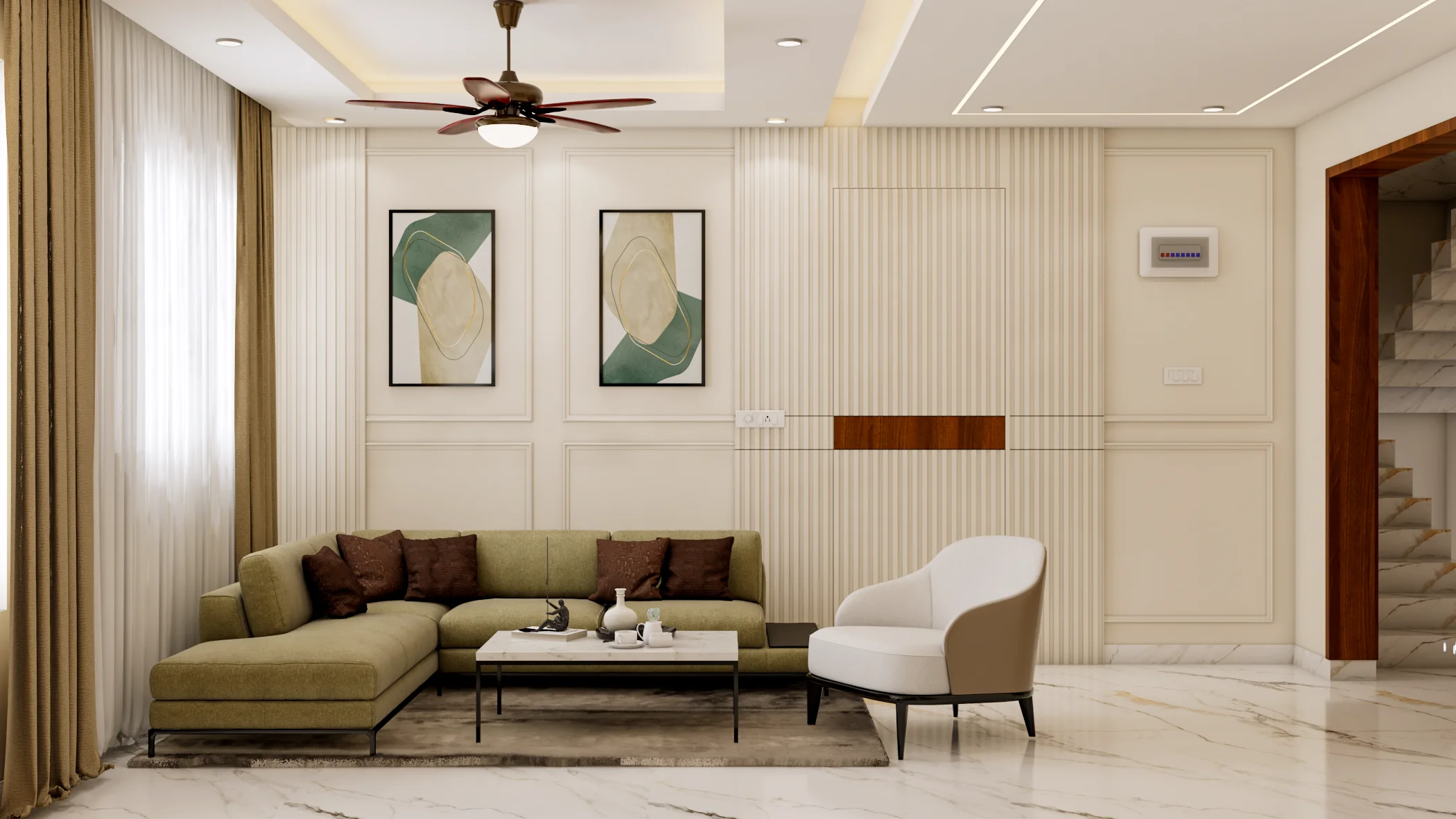
In the world of interior design, mixing patterns and textures is an art form that can transform a space from ordinary to extraordinary. Done right, it creates depth, character, and a dynamic visual appeal. However, when done incorrectly, it can lead to a chaotic and overwhelming look. At WeDezine, we believe that understanding the balance between patterns and textures is key to achieving a harmonious and stylish space. Let’s explore the essential do’s and don’ts of mixing patterns and textures to help you create a cohesive and inviting home.
The Do’s of Mixing Patterns and Textures
1. Start with a Neutral Base
Begin with a neutral foundation — think whites, greys, or beiges — to anchor your space. This allows patterns and textures to stand out without competing for attention. A neutral backdrop also provides flexibility to experiment with bold patterns and textures.
2. Stick to a Color Palette
Select a cohesive color palette to unify different patterns and textures. A mix of three to five complementary colors ensures that even contrasting patterns work together harmoniously. For example, pairing shades of blue with soft beige and white can create a calming yet dynamic look.
3. Mix Different Scales of Patterns
Combine large, medium, and small-scale patterns to create balance. A large floral print on a sofa can be complemented by smaller geometric designs on throw pillows or rugs. This variation prevents the patterns from clashing and creates visual hierarchy.
4. Balance Soft and Hard Textures
Contrast is key when it comes to texture. Pair soft textures like velvet or linen with harder textures like wood or metal. This creates a tactile experience that adds depth and warmth to the room.
5. Use Odd Numbers
When incorporating patterns and textures, work in odd numbers (three or five). For instance, combining a striped rug, a floral cushion, and a textured throw creates a more natural and appealing look than pairing just two elements.
The Don’ts of Mixing Patterns and Textures
1. Don’t Overcrowd with Too Many Patterns
Too many competing patterns can create visual chaos. If you’re using a bold patterned wallpaper, keep furniture and textiles more subdued to avoid an overwhelming look.
2. Don’t Ignore the Scale of the Room
Large patterns can overwhelm a small room, while tiny patterns might get lost in a large space. Adjust the scale of your patterns to match the size of the room to maintain proportion and harmony.
3. Don’t Forget About Negative Space
Allow some breathing room in your design. Overloading a room with patterns and textures without considering empty space can make it feel cluttered. Let the eye rest by incorporating solid-colored elements to balance the overall look.
4. Don’t Use Too Many Contrasting Colors
Mixing patterns is easier when the colors complement each other. Avoid using more than two or three dominant colors in a single space to prevent a mismatched and chaotic appearance.
5. Don’t Stick to Just One Texture
Using only one type of texture (e.g., all soft or all metallic) can make a room feel flat and monotonous. Incorporate a variety of textures — such as a plush velvet sofa with a rustic wooden coffee table — to create dimension and interest.
Bringing It All Together
Mastering the art of mixing patterns and textures takes a bit of practice, but the results are worth it. Start with a neutral base, stick to a cohesive color palette, and balance bold patterns with subtle textures. At WeDezine, we specialize in creating beautifully balanced spaces that reflect your personality and lifestyle.
Looking to refresh your interiors? Contact WeDezine today to discover how we can help you design a harmonious and stylish home!
