
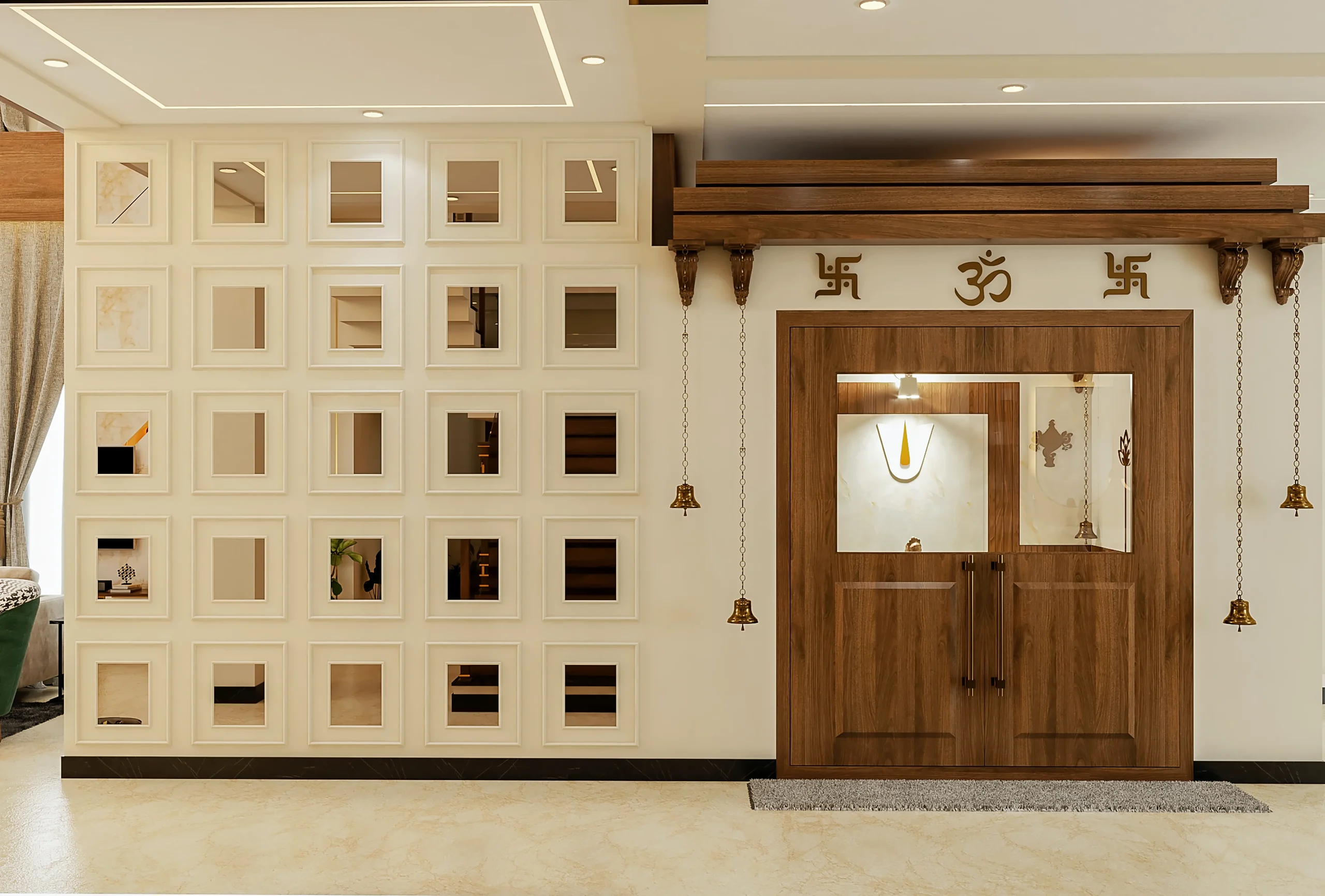
Creating a harmonious and well-balanced interior space requires thoughtful consideration of color, shape, and size. A well-balanced room ensures that no single element overwhelms the others, creating a cohesive and aesthetically pleasing environment. Here are some expert tips from WeDezine on how to achieve balance in interior design through color, shape, and size.
Balancing Color
Color is one of the most powerful elements in interior design. The right color palette can evoke emotions, create visual harmony, and define the character of a space. Here’s how to achieve balance through color:
- Follow the 60-30-10 Rule: Distribute colors in a room using this golden ratio—60% dominant color (walls and large surfaces), 30% secondary color (furniture and textiles), and 10% accent color (decor and accessories).
- Use Contrasts Wisely: Balance bold and neutral tones to prevent overwhelming the space. Dark colors add depth, while lighter tones create openness.
- Incorporate a Color Flow: Ensure that colors transition smoothly from one area to another to maintain continuity and balance.
- Consider the Psychological Impact: Warm tones (reds, oranges) can energize a space, while cool tones (blues, greens) promote relaxation. Choose a balance that suits the purpose of the room.
Balancing Shape
Shapes define the structure and aesthetics of a space. An imbalance in shapes can make a room feel chaotic or uninviting. Here’s how to create harmony with shapes:
- Mix Geometric and Organic Shapes: A combination of straight lines (squares, rectangles) and curves (circles, ovals) enhances visual interest and prevents monotony.
- Create Focal Points: Use distinctive shapes, such as an arched mirror or a round coffee table, to add a statement without overpowering the space.
- Repeat Shapes for Cohesion: Repeating certain shapes in furniture, lighting, and decor can create a sense of rhythm and unity.
- Avoid Overcrowding with Shapes: Too many contrasting shapes can create visual clutter. Maintain a balance between bold and subtle elements.
Balancing Size and Scale
The size of furniture, decor, and architectural elements plays a crucial role in achieving balance. Here’s how to get it right:
- Maintain Proportions: Ensure that furniture pieces are proportionate to the room size. Oversized furniture in a small room can feel overwhelming, while tiny pieces in a large space may seem insignificant.
- Layer Heights and Depths: Introduce a mix of tall, medium, and low-height furniture and decor to create depth and dimension.
- Use Visual Weight to Your Advantage: Balance heavy, solid furniture with lighter elements such as open shelving or glass tables to maintain an airy feel.
- Space Distribution: Allow enough space between furniture and decor to avoid congestion and ensure free movement within the room.
Final Thoughts
Achieving balance in color, shape, and size is essential for a well-designed interior. By carefully selecting and combining these elements, you can create a space that feels harmonious, inviting, and visually appealing. At WeDezine, we specialize in curating balanced interiors tailored to your style and functional needs. If you’re looking for an expert interior design company in Bangalore, get in touch with us to transform your space into a masterpiece.
