
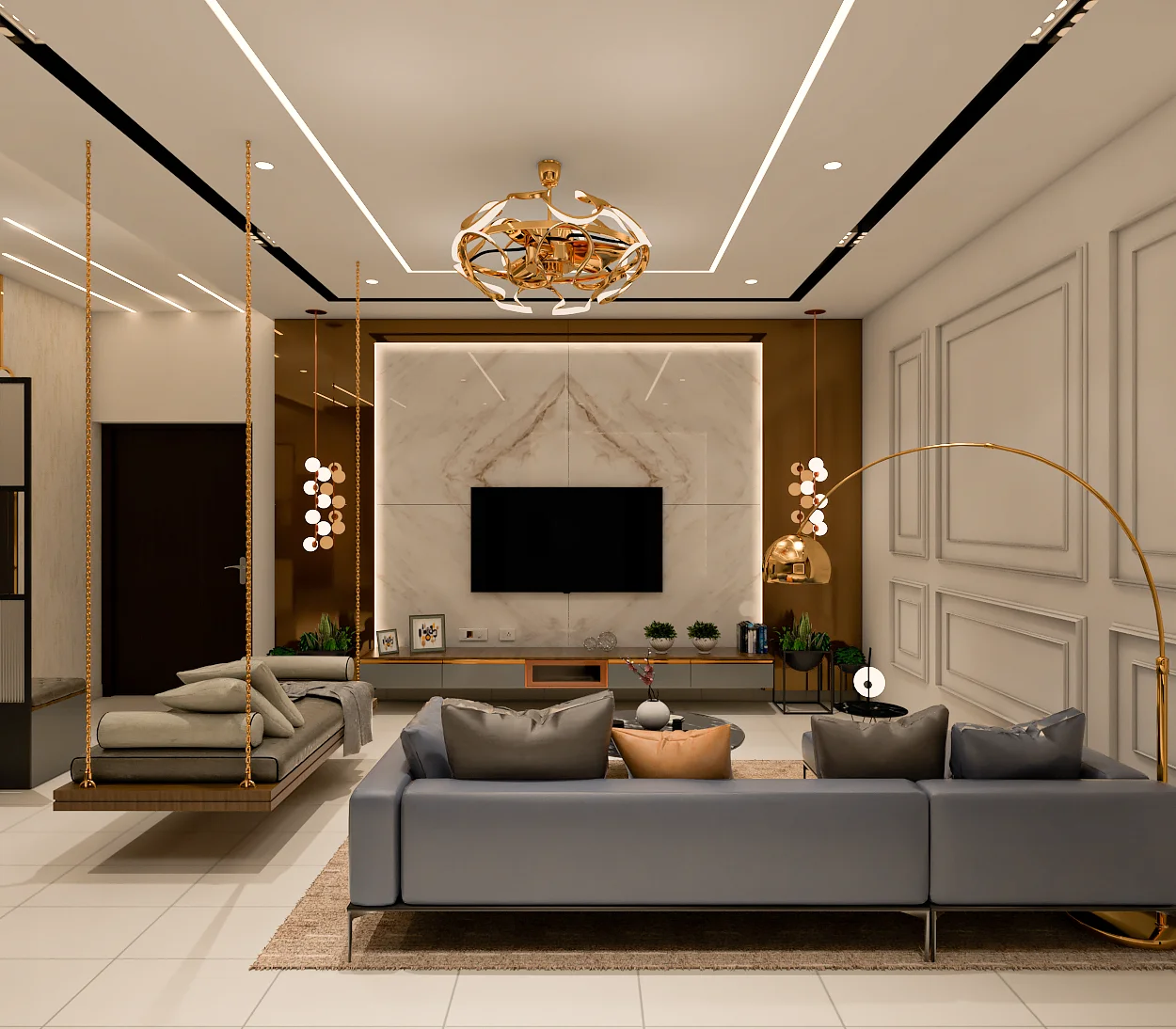
Lighting plays a crucial role in interior design, not only illuminating a space but also enhancing its aesthetics. One of the most effective ways to elevate a room’s design is by using lighting to create a focal point. A well-lit focal point draws attention, sets the ambiance, and adds character to a space. Whether it’s an architectural feature, a piece of artwork, or a stylish furniture piece, here’s how you can use lighting to highlight it effectively.
1. Identify the Focal Point
Before selecting the lighting fixtures, determine the focal point of the room. Common focal points include:
- Architectural Elements: Fireplaces, accent walls, ceiling beams, or built-in shelves.
- Artwork: Paintings, sculptures, or gallery walls.
- Furniture Pieces: A statement sofa, dining table, or bed.
- Decorative Features: Large mirrors, plants, or eye-catching decor pieces.
2. Choose the Right Type of Lighting
Once you’ve identified your focal point, the next step is selecting the appropriate lighting type:
- Chandeliers: A grand chandelier above a dining table or in an entryway can instantly draw attention.
- Pendant Lights: Great for creating visual interest over kitchen islands, dining tables, or reading nooks.
- Track Lighting: Perfect for highlighting multiple pieces of artwork or an accent wall.
- Wall Sconces: Ideal for adding depth and drama to artwork or architectural elements.
- Recessed and Spot Lighting: Discreet yet effective in illuminating specific areas without overpowering the space.
3. Consider Placement and Angles
Placement is key to ensuring the focal point gets the attention it deserves. Here’s how to position your lights effectively:
- Overhead Lighting: Center chandeliers or pendant lights over focal points like dining tables or living room seating areas.
- Wall-Mounted Fixtures: Use sconces on either side of a mirror or artwork to create symmetry.
- Directional Spotlights: Angle these to shine on artwork or textured walls for added depth.
- Under-Cabinet Lighting: In kitchens or display cabinets, this enhances the visibility of specific items.
4. Use Light Intensity and Color to Set the Mood
Different lighting temperatures and intensities can impact how a focal point is perceived.
- Warm Lighting (2700K-3000K): This creates a cozy and inviting ambiance, ideal for living rooms and bedrooms.
- Cool Lighting (4000K-5000K): Highlights details with clarity, suitable for kitchens and workspaces.
- Dimmer Controls: Adjustable lighting lets you control intensity based on the time of day and mood you want to create.
5. Incorporate Reflective Surfaces
Enhance the effect of your lighting by using reflective materials:
- Mirrors: Placed strategically, mirrors can bounce light around the room, making it feel brighter and larger.
- Metallic Finishes: Gold, brass, or chrome accents on furniture and decor pieces can catch and reflect light beautifully.
- Glass Elements: Chandeliers, tabletops, or decorative vases enhance the diffusion of light in a space.
6. Avoid Overcrowding with Too Many Light Sources
While it’s important to highlight a focal point, overusing multiple light sources can create visual clutter. Ensure balance by:
- Focusing on One or Two Key Elements: Select only the most striking features to highlight.
- Layering Lighting: Use a mix of ambient, task, and accent lighting to create depth without overwhelming the space.
Final Thoughts
Lighting is more than just functional; it’s an essential tool for defining and enhancing a space. By thoughtfully selecting the right lighting fixtures, positioning them correctly, and considering the impact of light color and intensity, you can create a stunning focal point that elevates your interior design.
For expert advice and lighting solutions tailored to your space, visit WeDezine, Bangalore’s premier interior design studio. Let us help you transform your home with the perfect lighting solutions!
