
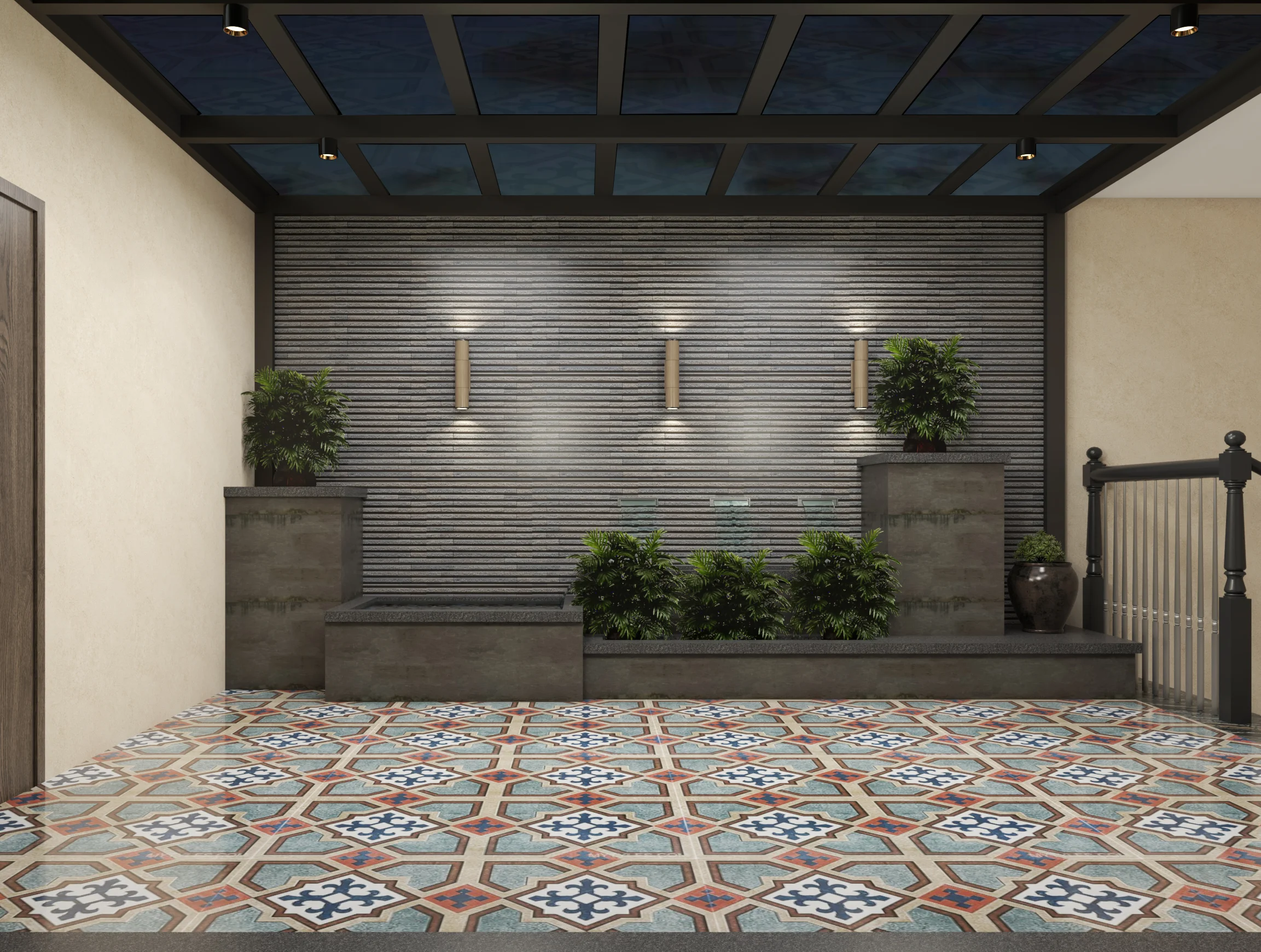
In today’s world, shared spaces are becoming more common, whether in homes, offices, or commercial settings. Designing these spaces for comfort requires a thoughtful approach that balances functionality, aesthetics, and the diverse needs of the users. At WeDezine, we believe that well-designed shared spaces foster collaboration, relaxation, and a sense of community. Here are some key principles to consider when designing for comfort in shared spaces.
1. Prioritize Flexible Layouts
Shared spaces need to accommodate various activities and people. A flexible layout allows for easy reconfiguration to suit different needs. Modular furniture, movable partitions, and multi-functional elements can help create adaptable environments that enhance comfort and usability.
2. Optimize Lighting for Ambiance and Functionality
Lighting plays a crucial role in setting the mood and functionality of shared spaces. A combination of natural light, ambient lighting, and task lighting can create a comfortable and inviting atmosphere. Consider using dimmable lights and smart lighting solutions that adjust to different activities.
3. Use Ergonomic and Comfortable Furniture
Selecting ergonomic furniture is essential for ensuring long-term comfort. Soft seating, supportive chairs, and height-adjustable tables can help reduce strain and fatigue. In workspaces, providing designated relaxation areas with cozy seating can encourage well-being.
4. Ensure Good Acoustics and Noise Control
Sound control is critical in shared spaces to maintain a peaceful environment. Use acoustic panels, rugs, curtains, and upholstered furniture to minimize noise levels. Additionally, strategic placement of plants and sound-absorbing materials can improve acoustic comfort.
5. Incorporate Biophilic Design
Bringing nature indoors can enhance comfort and well-being. Indoor plants, natural materials like wood and stone, and large windows with outdoor views can create a calming ambiance. Biophilic design elements have been shown to reduce stress and improve mood in shared spaces.
6. Maintain a Balance Between Privacy and Openness
A successful shared space should provide both open areas for collaboration and private nooks for solitude. Using dividers, booths, or soundproof pods can offer individuals a space to focus while still being part of a communal setting.
7. Focus on Aesthetic Appeal and Personalization
A visually appealing space enhances comfort and user experience. Use warm colors, textured materials, and curated decor to create an inviting environment. Allowing users to personalize elements, such as seating arrangements or artwork, can create a sense of ownership and belonging.
8. Ensure Proper Ventilation and Indoor Air Quality
Good air quality is essential for comfort and health. Ensure adequate ventilation through windows, air purifiers, and indoor plants that improve air circulation. A well-ventilated space feels fresh and prevents stuffiness.
Conclusion
Designing for comfort in shared spaces requires a holistic approach that considers flexibility, lighting, ergonomics, acoustics, biophilia, privacy, aesthetics, and air quality. At WeDezine, our goal is to create spaces that are not only functional but also enhance well-being and productivity. Whether designing a co-working space, a communal lounge, or a shared home environment, thoughtful design can transform spaces into comfortable and inviting havens.
For expert interior design solutions in Bangalore, contact WeDezine today!
