
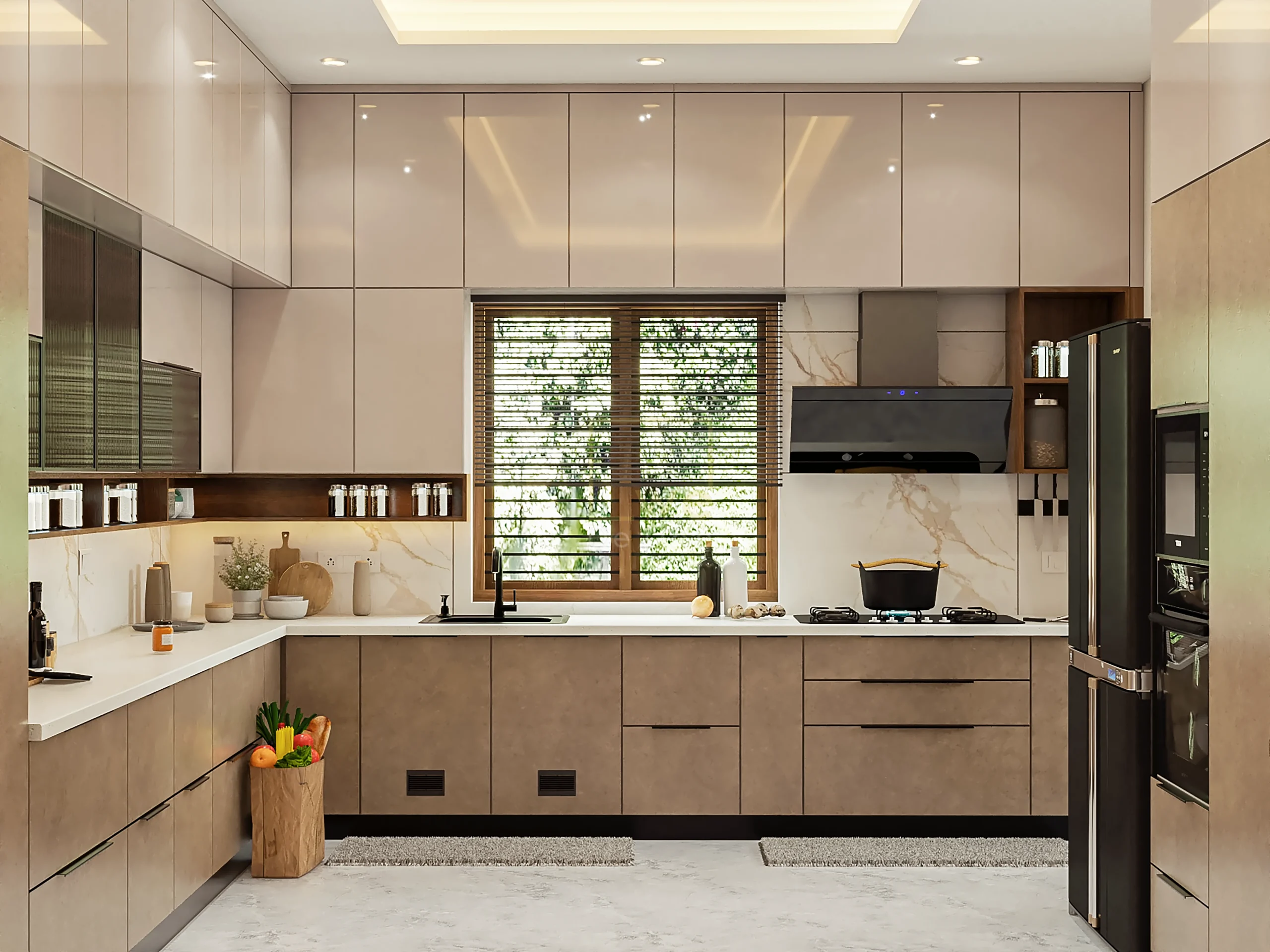
As we age, our needs and abilities change, making it essential to have a kitchen that is both accessible and safe. A well-designed, senior-friendly kitchen can improve comfort, convenience, and independence. If you are planning to redesign your kitchen for elderly family members, here are some key design ideas to consider.
1. Accessible Layout
A kitchen should have an open and clutter-free layout with wide pathways (at least 42 inches) to accommodate mobility aids like walkers or wheelchairs. Opt for an L-shaped or U-shaped design, ensuring easy movement between the sink, stove, and refrigerator—the essential work triangle.
2. Easy-to-Use Cabinets and Storage
- Install pull-out shelves and lazy Susans to minimize bending and reaching.
- Use soft-close drawers with D-shaped handles or touch-to-open mechanisms for ease of access.
- Keep frequently used items within arm’s reach to avoid unnecessary strain.
3. Safe and Comfortable Countertops
- Opt for rounded countertop edges to prevent injuries.
- Install countertops at varied heights to accommodate sitting and standing users.
- Choose materials like quartz or laminate that require minimal maintenance.
4. Slip-Resistant Flooring
- Select non-slip flooring materials like textured vinyl, rubber, or matte-finish tiles.
- Avoid rugs or use non-slip mats to reduce tripping hazards.
5. Well-Placed and Bright Lighting
- Install layered lighting, including ambient, task, and under-cabinet lighting, to enhance visibility.
- Use motion-sensor lights for added convenience.
- Opt for warm, glare-free LED bulbs to reduce eye strain.
6. User-Friendly Appliances
- Choose appliances with large, easy-to-read controls and ergonomic handles.
- Position ovens at waist height to eliminate the need for bending.
- Install an induction cooktop to minimize burn risks.
- Consider a side-by-side refrigerator for easier access to both the fridge and freezer.
7. Ergonomic Faucets and Sinks
- Install a single-lever or touchless faucet to simplify use.
- Use a deep, wide sink with a pull-down spray nozzle for convenience.
8. Seating and Workspaces
- Provide a seated workstation or breakfast nook with comfortable chairs.
- Include a pull-out cutting board or an adjustable-height table for additional workspace.
9. Smart Technology Integration
- Use smart appliances that can be voice-activated or controlled via a smartphone.
- Install emergency alert systems or intercoms for added safety.
10. Adequate Ventilation and Air Quality
- Ensure proper ventilation with an efficient range hood or exhaust fan.
- Incorporate air purifiers to maintain clean indoor air quality.
Conclusion
Designing a senior-friendly kitchen requires thoughtful planning to enhance safety, accessibility, and ease of use. Whether you’re remodeling an existing space or designing from scratch, these modifications can help create a kitchen that supports aging in place comfortably.
At WeDezine, we specialize in creating functional and stylish kitchen designs tailored to your needs. Contact us today for a consultation and let us help you build a safer and more convenient kitchen for your loved ones!
