
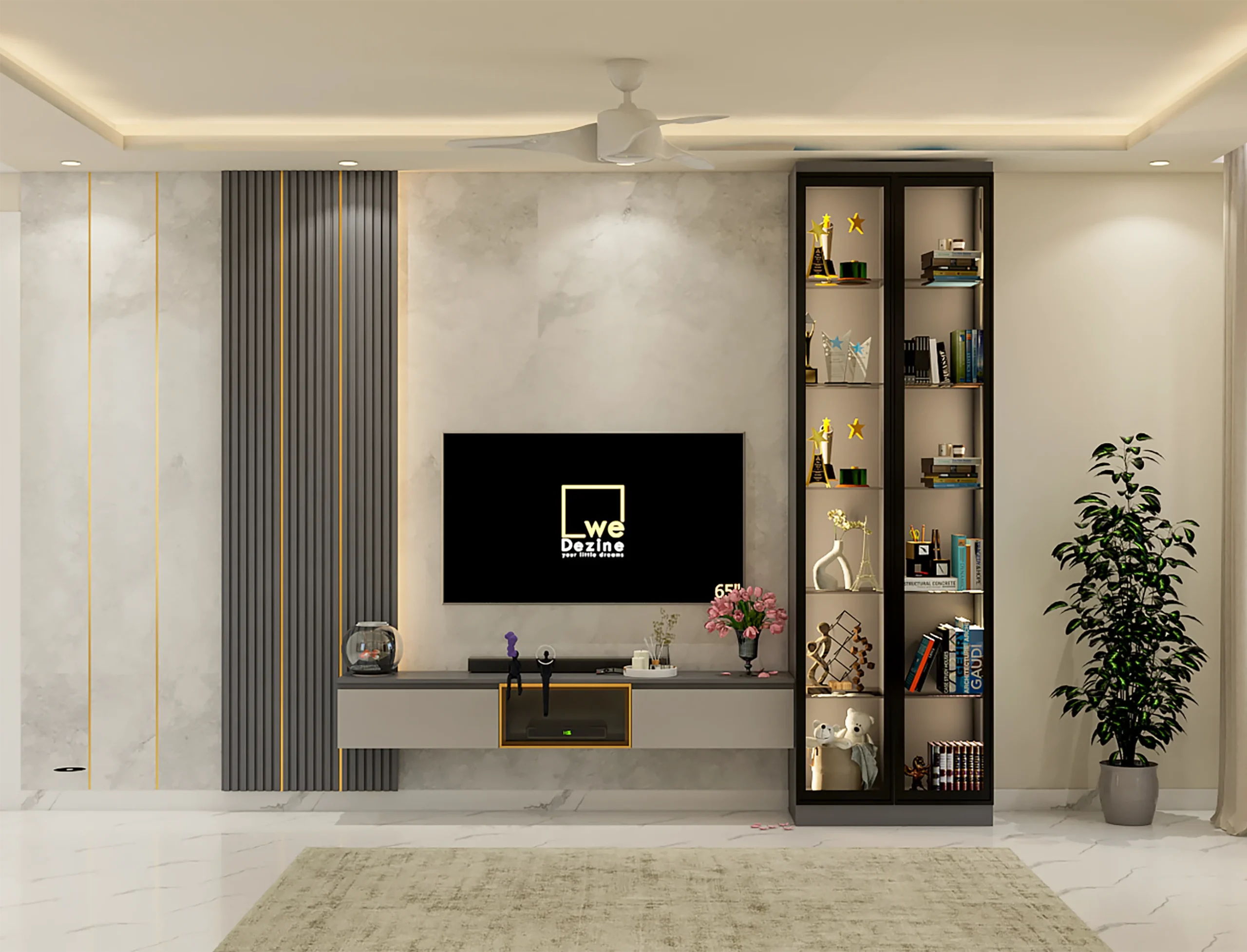
Bamboo flooring has gained popularity in recent years as a stylish, sustainable, and cost-effective alternative to traditional hardwood flooring. As an eco-friendly option, it offers a contemporary aesthetic that blends well with modern interiors. However, like any flooring material, bamboo has its advantages and disadvantages. In this blog, WeDezine Studio explores the pros and cons of bamboo flooring to help you make an informed decision for your space.
Pros of Bamboo Flooring
1. Eco-Friendly and Sustainable
Bamboo is a fast-growing grass that regenerates quickly, making it a highly renewable resource. Unlike hardwood trees that take decades to mature, bamboo reaches maturity within 3-5 years, making it a more sustainable choice.
2. Aesthetic Appeal
Bamboo flooring has a sleek, modern look that complements contemporary and minimalist interiors. It is available in a variety of shades, from light natural tones to darker carbonized finishes, providing versatility in design.
3. Durability and Strength
Strand-woven bamboo flooring is incredibly durable, often outperforming traditional hardwoods like oak and maple in terms of hardness. It is resistant to everyday wear and tear, making it suitable for high-traffic areas.
4. Easy Maintenance
Bamboo flooring is relatively easy to maintain with regular sweeping and occasional damp mopping. It does not require extensive upkeep like carpet or softer woods, making it a practical choice for busy households.
5. Cost-Effective
Compared to hardwood flooring, bamboo is generally more affordable while still providing a premium look. This makes it an attractive option for homeowners looking for a budget-friendly yet stylish flooring solution.
Cons of Bamboo Flooring
1. Susceptible to Moisture and Humidity
One of the biggest drawbacks of bamboo flooring is its sensitivity to moisture. Excess humidity or spills can cause the planks to swell, warp, or crack over time, making it unsuitable for areas with high moisture, such as bathrooms and basements.
2. Prone to Scratches
While strand-woven bamboo is tough, other types of bamboo flooring, such as horizontal and vertical grain, can be prone to scratches and dents. Furniture, pet claws, and heavy foot traffic can cause visible wear over time.
3. Limited Refinishing Options
Unlike solid hardwood, which can be sanded and refinished multiple times, bamboo flooring has a limited refinishing lifespan. If the top layer gets damaged, options for restoration may be restricted depending on the thickness of the flooring.
4. Potential for Low-Quality Products
Not all bamboo flooring is created equal. Some lower-quality bamboo flooring options contain high levels of adhesives and formaldehyde, which can emit harmful VOCs (volatile organic compounds). It’s crucial to choose high-quality, eco-certified bamboo flooring from reputable manufacturers.
5. Color Fading Over Time
Bamboo flooring is susceptible to fading when exposed to direct sunlight for extended periods. UV rays can cause the surface color to change, which may require area rugs or UV-protective window treatments to maintain its appearance.
Final Thoughts
Bamboo flooring is an excellent option for those looking for an eco-friendly, stylish, and durable flooring choice. However, it’s essential to consider factors such as moisture sensitivity, scratch resistance, and product quality before making a decision. At WeDezine Studio, we help our clients choose the best flooring options to match their lifestyle and aesthetic preferences.
If you’re considering bamboo flooring for your home or office in Bangalore, contact WeDezine Studio for expert advice and interior design solutions tailored to your needs!
