
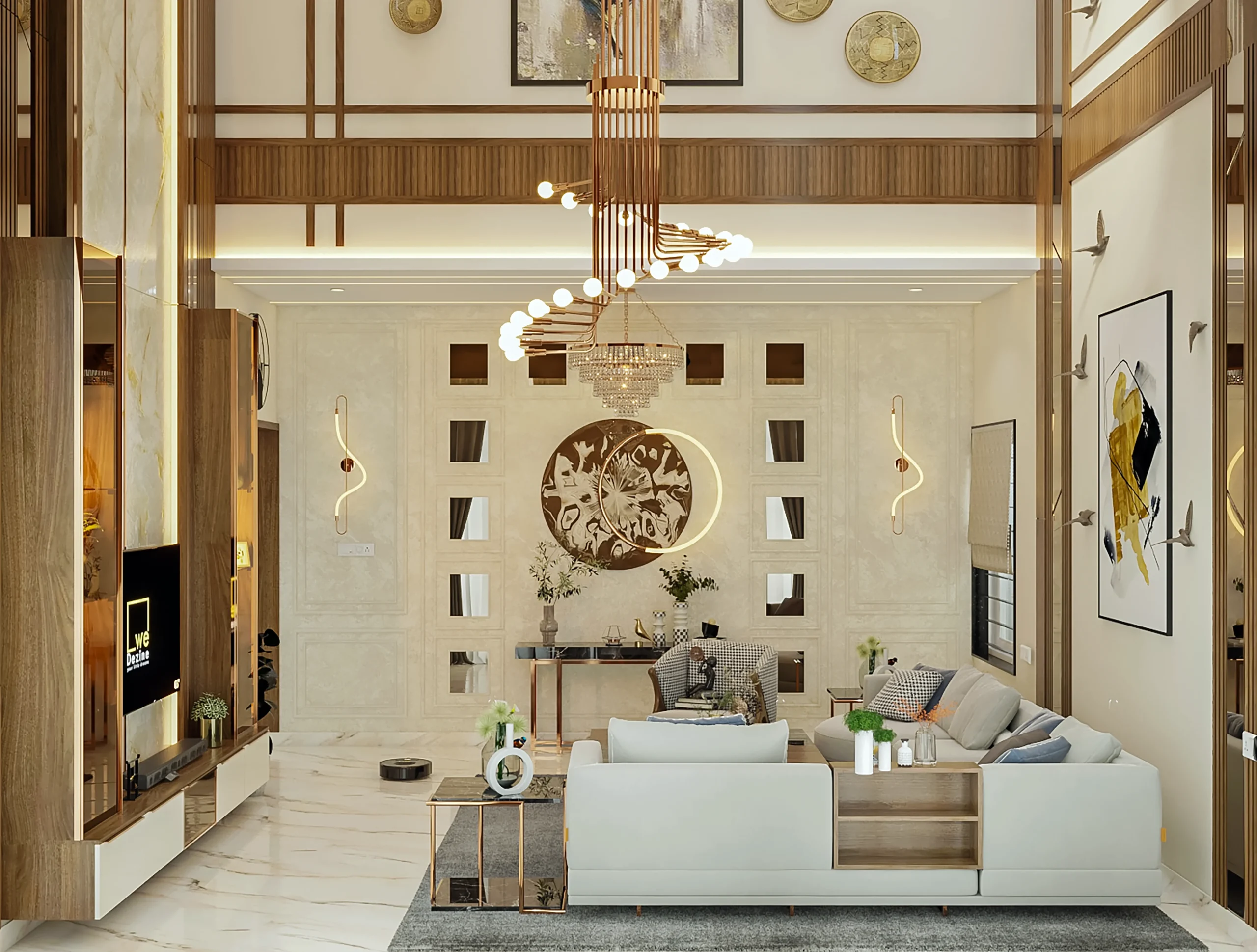
As we step into 2025, interior design continues to evolve with a blend of sustainability, aesthetics, and technological advancement. The materials we choose to design spaces play a significant role in shaping the atmosphere of a room. They define the textures, colors, and finishes that enhance the beauty and functionality of any interior. In this blog, we’ll explore the top 10 material trends that will dominate in 2025, highlighting what’s in and what’s out in the world of interior design.
1. Sustainable and Eco-Friendly Materials: In
Sustainability is no longer just a buzzword; it’s a necessity. As more people become aware of the environmental impact of their choices, eco-friendly materials are making a strong comeback. Natural materials like bamboo, cork, recycled wood, and stone are leading the charge. These materials not only reduce the carbon footprint but also offer a timeless, organic look that blends beautifully into modern interiors. Expect to see sustainable furniture, flooring, and décor in abundance throughout 2025.
What’s Out: Non-recyclable and heavily processed materials that harm the environment, such as plastic laminates and synthetic fabrics, are being phased out in favor of more responsible choices.
2. Biophilic Materials: In
Biophilic design focuses on incorporating elements of nature into our built environments. 2025 will see a continued rise in biophilic materials, including reclaimed wood, natural stone, living walls, and clay-based finishes. These materials not only enhance the beauty of spaces but also contribute to mental and physical well-being by creating a connection to nature.
What’s Out: Harsh, sterile materials like stark concrete and overly polished metals, which tend to create cold, impersonal spaces.
3. Smart Glass: In
With advancements in technology, smart glass is becoming increasingly popular in modern interiors. This innovative material allows for windows and partitions to adjust their transparency depending on light, temperature, and privacy requirements. It helps with energy efficiency and provides a sleek, minimalist aesthetic that is perfect for futuristic interior design.
What’s Out: Traditional glass that lacks energy efficiency and requires constant maintenance to maintain its clarity.
4. Recycled and Upcycled Materials: In
Recycled and upcycled materials will continue to be a significant trend in 2025. From furniture made from repurposed wood to wall panels crafted from recycled metals, these materials promote sustainability while showcasing unique craftsmanship. Upcycling also adds character and story to the space, creating one-of-a-kind features that tell a tale.
What’s Out: Mass-produced, cookie-cutter materials that lack individuality and don’t contribute to reducing waste.
5. Textured Surfaces: In
Textures play a critical role in creating depth and interest in interior spaces. In 2025, expect to see a rise in textured surfaces such as tactile wallpapers, 3D-printed wall panels, and textured stone cladding. These materials create an immersive experience, adding richness and warmth to a room.
What’s Out: Flat, glossy, and monotone surfaces that fail to engage the senses or evoke emotion.
6. Metal Finishes: In (But with a Twist)
While metal finishes have always been popular, 2025 will see a shift toward softer, more muted metallics. Brushed gold, bronze, and matte black metals will replace high-shine finishes, providing a more sophisticated and understated appeal. These materials will be used in furniture, light fixtures, and accessories to create a refined and timeless aesthetic.
What’s Out: Overly shiny, reflective metals that create a tacky or ostentatious look, such as chrome or high-gloss brass.
7. Terrazzo and Recycled Aggregates: In
Terrazzo, a composite material made of marble chips and cement, is having a resurgence. In 2025, this material is being updated with the use of recycled aggregates, like glass, plastic, and even recycled concrete, for an eco-conscious twist. Terrazzo is showing up in everything from flooring to countertops, adding a playful yet sophisticated element to interior spaces.
What’s Out: Plain, uninspiring tile and stone options that don’t push the boundaries of design.
8. Sculptural and Organic Furniture Materials: In
Furniture design in 2025 will be influenced by organic forms and sculptural materials. This includes furniture made from materials such as molded plywood, natural stone, and even bio-resins. These materials allow designers to create dynamic, art-like pieces that combine form and function while maintaining an eco-friendly approach.
What’s Out: Rigid, boxy furniture designs made from synthetic, mass-produced materials that lack creativity and flair.
9. Concrete with a Soft Edge: In
While raw concrete has been associated with industrial design, 2025 will see concrete materials that are softer and more refined. Polished concrete floors, concrete wall panels with softer textures, and even concrete furniture pieces will emerge, creating a sophisticated industrial look without the coldness often associated with concrete.
What’s Out: Rough, unfinished concrete that can feel too harsh and uninviting in living spaces.
10. Textile Innovations: In
Fabric innovations are taking center stage in 2025, with more emphasis on sustainable and high-performance textiles. From recycled polyester to natural fiber blends, textile trends will focus on durability, comfort, and sustainability. Fabrics with antimicrobial properties, moisture-wicking abilities, and UV protection will be highly sought after, especially for upholstery and soft furnishings.
What’s Out: Traditional synthetic fabrics that are harmful to the environment and offer limited durability.
Conclusion:
As we move forward into 2025, the interior design world is embracing materials that are not only beautiful but also sustainable, functional, and innovative. The trends of this year reflect the growing demand for eco-conscious choices, creative expressions, and technologies that enhance both the aesthetics and functionality of spaces. Whether you’re designing a commercial space or updating your home, these material trends will help you stay ahead of the curve, creating interiors that are both on-trend and future-ready.
At WeDezine, we’re passionate about staying on top of the latest design trends and offering you solutions that bring your vision to life most sustainably and stylishly possible. Stay tuned for more insights, and let us help you create your perfect space with the materials of tomorrow.
