
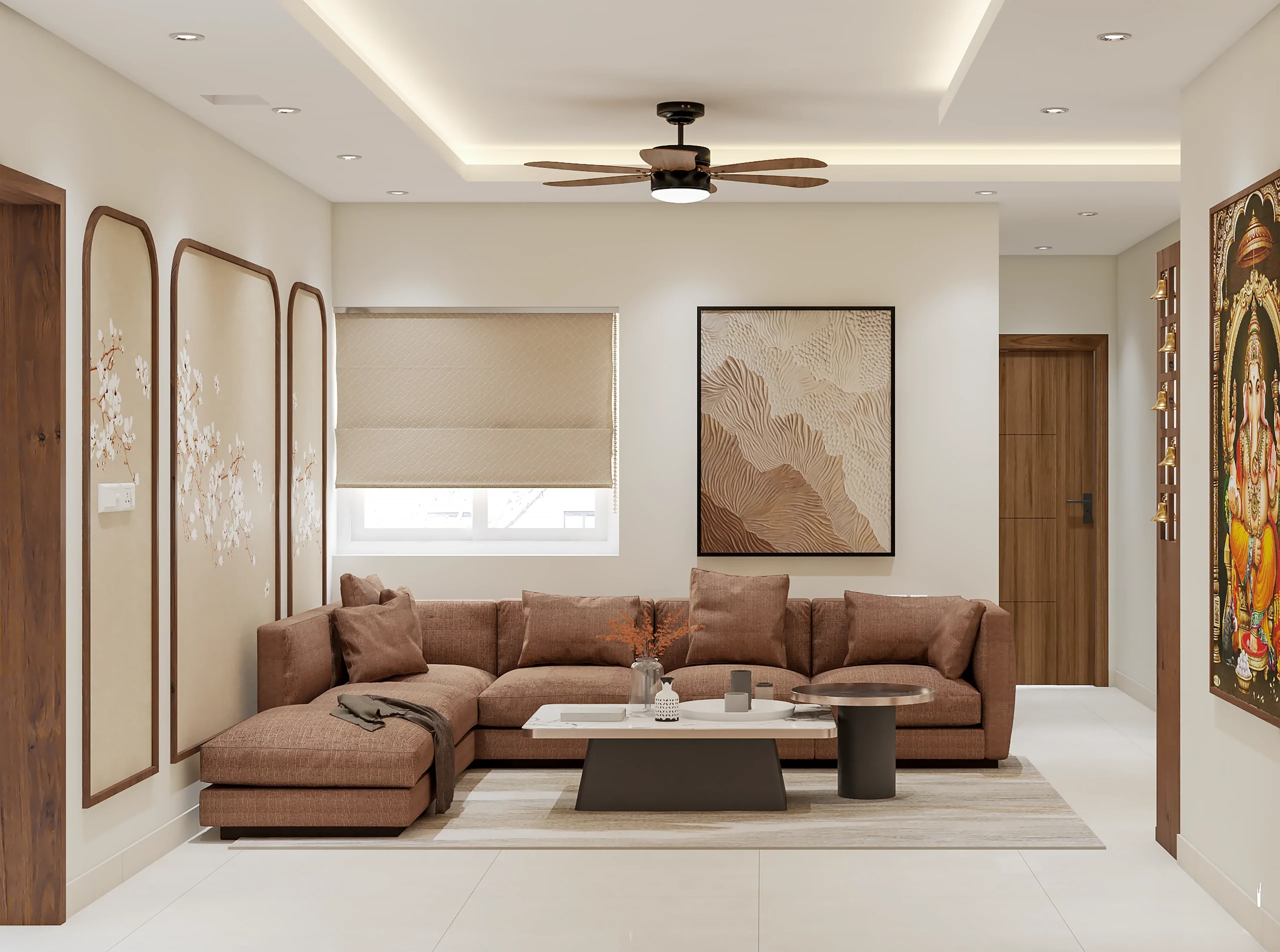
Interior design is all about creating a space that feels both visually striking and comfortably inviting. One of the most effective ways to achieve this balance is by combining bold and neutral elements in your layouts. Whether you’re designing a living room, bedroom, or office space, knowing how to blend these two contrasting elements can elevate your design and create a harmonious environment.
At WeDezine, we believe that a well-balanced interior design should cater to both aesthetics and function. Here’s how you can master the art of balancing bold and neutral elements in your layouts:
1. Start with Neutral Foundations
Begin with neutral tones for your walls, flooring, and larger furniture pieces like sofas or dining tables. Shades of white, beige, gray, or soft pastels provide a calm backdrop and allow bold elements to shine. Neutral colors also help in making spaces feel open and airy, which is especially important for smaller rooms.
Tip: Choose a neutral base that complements the natural lighting in the room. Cool neutrals work well in spaces with plenty of sunlight, while warm neutrals can add coziness to rooms that lack natural light.
2. Introduce Bold Elements Gradually
Bold elements, like vibrant artwork, statement furniture, or eye-catching accessories, should be introduced thoughtfully. These items act as focal points within the room. To avoid overwhelming the space, it’s important to limit bold colors or patterns to one or two elements, especially in smaller areas.
Tip: Consider incorporating bold accents through throw pillows, rugs, lamps, or curtains. These smaller accessories allow you to experiment with more intense colors without dominating the entire space.
3. Use Patterns and Textures for Impact
Patterned textiles and textures can bring boldness to a space without the need for bright colors. Opt for large geometric prints, florals, or abstract designs for a daring yet balanced look. Textures like velvet, linen, or leather also provide depth and sophistication.
Tip: Mixing textures, such as a plush velvet cushion on a linen sofa or a leather chair paired with a woven rug, creates a dynamic contrast that enhances the richness of the space.
4. Apply the 60-30-10 Rule
One effective rule for balancing bold and neutral elements is the 60-30-10 rule. This design principle suggests that 60% of the space should be filled with a dominant neutral color, 30% with a secondary color (which can be a bold accent), and 10% with an accent color or pattern. This ensures that your bold pieces are balanced out by the neutral foundation while still making a statement.
Tip: For example, if your walls are neutral, use bold furniture for the 30%, and add accessories, like pillows or vases, in the accent color for the remaining 10%.
5. Create Contrast with Bold Artwork
Art pieces are one of the easiest ways to introduce boldness into your space. Large-scale art or framed prints with vibrant colors or dramatic themes can create a focal point in your layout. The key is to make sure the artwork complements the other elements in the room, particularly the neutral tones.
Tip: Ensure that the colors in the artwork tie in with your overall color scheme. If the artwork is particularly bold, try to use neutral-colored frames or hang it on a wall with a neutral backdrop to balance out the intensity.
6. Consider Scale and Proportion
When balancing bold and neutral elements, scale and proportion matter. Avoid having multiple large, bold pieces competing for attention. Instead, balance the bold elements with appropriately scaled neutral pieces. For instance, a large bold sofa paired with neutral accent chairs, or a bold rug under a neutral dining table, ensures that neither element overwhelms the other.
Tip: If you have a bold accent wall or a large, colorful piece of furniture, balance it out with lighter, less visually busy pieces around it to create harmony and flow.
7. Use Lighting to Enhance the Balance
Lighting is crucial in balancing bold and neutral elements. Neutral tones can sometimes feel flat in low-light conditions, while bold colors can become overpowering in spaces with harsh lighting. The right lighting—whether it’s soft, ambient lighting or focused task lighting—can highlight your bold accents and help neutral tones stand out.
Tip: Consider placing lighting near your bold pieces to highlight their importance, or use softer lighting to make neutral tones feel warmer and more inviting.
Conclusion
At WeDezine, we understand that creating a well-balanced design requires a keen eye for proportion, color, and texture. By following these strategies, you can easily combine bold and neutral elements in your interiors, creating spaces that feel visually dynamic yet comfortable and harmonious.
Balancing bold and neutral elements in layouts isn’t about choosing one over the other—it’s about using both to complement each other. With the right approach, you’ll create a space that feels both striking and serene.
