
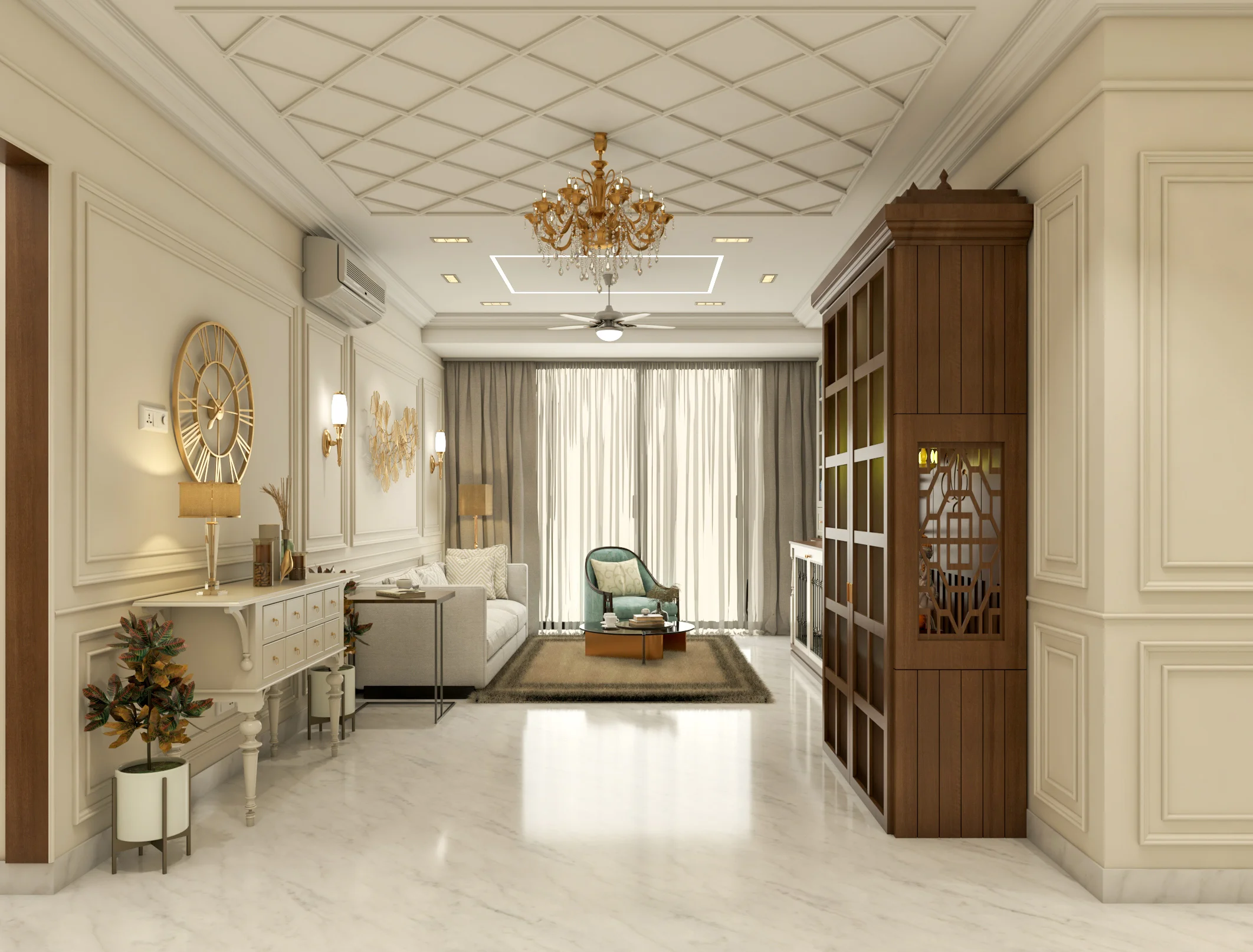
When it comes to creating the perfect interior design, selecting the right materials is just as important as choosing the perfect color palette or furniture pieces. The materials you use can set the tone for your space, influence its functionality, and contribute to its overall aesthetic. Whether you’re renovating a single room or designing an entire home, understanding how to select the ideal materials for your interior space will help create a lasting impression.
1. Understand the Function of Each Space
Before you can choose the right materials, it’s crucial to understand the function of each room. Different rooms serve different purposes, and their materials should reflect that.
- Living Room: A place for relaxation and socializing. Opt for durable, easy-to-maintain materials like natural wood, soft fabrics, and stone accents.
- Kitchen: A high-traffic, high-moisture area that requires resilient, water-resistant materials. Choose surfaces like granite countertops, ceramic tiles, and stainless steel.
- Bathroom: Like kitchens, bathrooms demand moisture-resistant materials. Consider tiles, marble, glass, and high-quality waterproof wood for durability and style.
- Bedroom: The bedroom is a sanctuary for rest. Soft, cozy materials like cotton, linen, and wool for bedding, with warm woods or soft colors for the furniture, create a peaceful atmosphere.
2. Prioritize Durability and Longevity
One of the key factors in choosing materials is durability. Consider how long you want your materials to last. While high-end finishes can be beautiful, they may require more upkeep.
- Hardwood Flooring: Timeless and durable, hardwood is perfect for living rooms, bedrooms, and hallways. It’s scratch-resistant and ages beautifully.
- Quartz Countertops: Known for their durability, quartz countertops are perfect for kitchens and bathrooms. They resist scratches, stains, and heat, making them a practical choice.
- Ceramic and Porcelain Tiles: These materials are robust, long-lasting, and moisture-resistant, ideal for both kitchen and bathroom floors.
3. Consider Your Budget
Budget plays a pivotal role in material selection. Setting a realistic budget and choosing materials that offer the best value for money is essential. While some materials may appear luxurious, alternatives can deliver a similar effect at a fraction of the cost.
- Engineered Wood: For those who desire the look of hardwood but need a budget-friendly option, engineered wood is a great substitute.
- Laminate Countertops: If you love the look of stone countertops but can’t afford them, laminate is an affordable alternative that mimics high-end materials.
- Painted MDF: If you’re designing built-ins or furniture, MDF (Medium Density Fiberboard) is an affordable option compared to solid wood.
4. Match Materials with Your Desired Aesthetic
The materials you choose should align with the aesthetic you want to achieve. Different materials exude different vibes. If you’re looking for a luxurious and sophisticated space, opt for materials like marble, velvet, and high-gloss finishes. For a more rustic or natural feel, consider reclaimed wood, bamboo, and raw stone elements.
- Modern Minimalist: Concrete, glass, steel, and sleek, smooth surfaces.
- Bohemian: Textured fabrics, vintage wood, woven materials, and earthy tones.
- Traditional: Rich wood tones, marble, velvet, and classic tile designs.
- Industrial: Exposed brick, steel, reclaimed wood, and raw finishes.
5. Assess Environmental and Sustainability Factors
Sustainability is becoming increasingly important in interior design. Choosing eco-friendly materials helps reduce your environmental impact and adds a sense of responsibility to your home design.
- Bamboo: A highly renewable material, bamboo is perfect for flooring, furniture, and accessories.
- Recycled Materials: Opt for materials made from recycled glass, metal, and plastic. Many manufacturers offer eco-friendly products that look luxurious but are sustainably sourced.
- Natural Stone: Materials like granite and marble, when ethically sourced, offer long-lasting benefits and require minimal maintenance.
6. Think About Maintenance and Care
Not all materials are created equal when it comes to maintenance. Consider how much time and effort you’re willing to dedicate to upkeep when selecting materials for your space.
- Tile and Stone: Relatively low-maintenance but require occasional sealing, especially in high-moisture areas.
- Leather Upholstery: Elegant and durable, but it requires periodic conditioning to maintain its luster.
- Fabric Upholstery: Choose fabrics that are easy to clean, such as cotton or microfiber, for family rooms or spaces with pets.
7. Test and Sample Before Committing
Once you’ve narrowed down your options, it’s always a good idea to test the materials before making a commitment. Order samples of flooring, tiles, and paint colors. Place them in your space to see how they interact with the lighting, furniture, and surrounding elements.
- Tile Samples: Lay them out on the floor or wall in the exact spot to see how they complement your space.
- Paint Samples: Paint a small section on the wall to observe how the color changes under different lighting conditions.
- Fabric Swatches: Get a feel for the texture, durability, and color match with your design.
8. Create a Harmonious Design by Combining Materials
While it’s tempting to use a single material throughout your space, combining materials can create a more dynamic and aesthetically pleasing environment. The key is balance and harmony—choose materials that complement each other and enhance the space’s overall design.
- Wood and Stone: The organic warmth of wood pairs beautifully with the raw elegance of stone in living rooms, kitchens, and bathrooms.
- Metal and Glass: In modern interiors, combining metal (such as brass or copper) with glass or mirrors creates a sleek and sophisticated design.
- Textile Layering: Layering various fabrics—such as velvet cushions on a linen sofa or wool throws on a cotton bedspread—adds depth and texture.
Conclusion: Choose Materials that Reflect Your Style and Needs
Selecting the right materials for your interior space is a thoughtful process that requires balancing aesthetics, functionality, and practicality. By understanding the purpose of each room, prioritizing durability, sticking to a budget, and incorporating your unique style, you can create a space that is both beautiful and functional.
Remember, interior design is an evolving process, so don’t be afraid to experiment with different materials until you find the perfect combination that reflects your personal style and needs. Whether you opt for timeless classics or cutting-edge innovations, the right materials will transform your space into a harmonious, inviting environment.
