
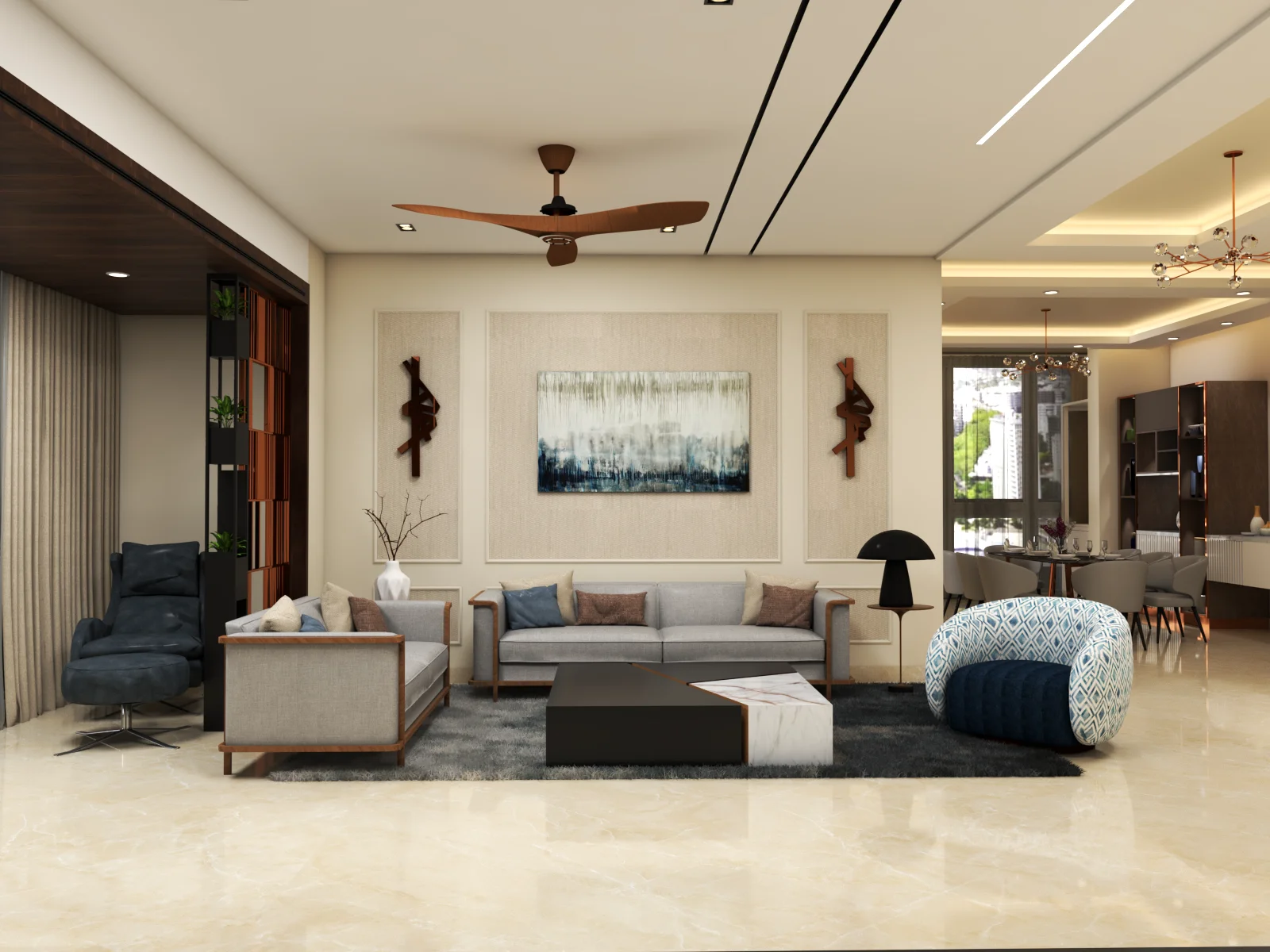
South India is a land of rich cultural heritage, architectural grandeur, and timeless traditions. The region’s design ethos, deeply rooted in its history and culture, has inspired generations of architects and designers. Today, as contemporary home interior design evolves, elements of South Indian traditions are seamlessly blending with modern aesthetics, creating homes that are both stylish and soulful. At WeDezine, we specialize in curating spaces that honor these traditions while meeting the demands of modern living. Here’s how South Indian traditions can inspire contemporary home design:
1. The Art of the Courtyard
The Nalukettu (a traditional Kerala-style house) and Thinnai (a semi-open veranda often seen in Tamil Nadu homes) are iconic examples of South Indian architecture. These spaces were designed to promote ventilation, light, and community interaction. In contemporary homes, these courtyards are being reimagined as central open-air spaces or indoor gardens, creating an oasis of calm within urban settings.
- Contemporary Twist: Incorporate skylights, indoor water features, or greenery within these courtyards to create a blend of traditional charm and modern functionality.
2. The Elegance of Wooden Elements
Teak wood, rosewood, and mahogany have been integral to South Indian interiors. Intricately carved doors, pillars, and furniture add a regal touch to homes. Today, these wooden elements are being integrated into contemporary designs as accent pieces or functional furniture.
- Contemporary Twist: Combine traditional wood-carving techniques with sleek, minimalist designs. For instance, a modern dining table can have legs inspired by traditional motifs or a carved wooden door can act as a statement entryway.
3. Temple-Inspired Accents
Temples have always been a focal point in South Indian culture, influencing everything from art to architecture. The intricate patterns, brass lamps, and sculptural designs from temple architecture can be incorporated into home decor to bring an aura of sanctity and grandeur.
- Contemporary Twist: Use brass lamps, temple bells, or Gopuram-inspired patterns as part of the décor. These accents work beautifully in pooja rooms or even as conversation starters in living spaces.
4. Vibrant Colors and Textiles
South Indian homes are known for their vibrant hues and rich textiles. From Kanjeevaram silks to Kalamkari prints, textiles play a crucial role in adding texture and personality to interiors. Bright yellows, deep reds, and earthy tones dominate the palette.
- Contemporary Twist: Use traditional textiles like handwoven cottons or silks as upholstery, cushions, or curtains. Pair these with muted contemporary furniture to strike a balance between vibrancy and subtlety.
5. Athangudi Tiles and Traditional Flooring
Handmade Athangudi tiles from Tamil Nadu, with their striking geometric patterns and bold colors, are making a comeback in contemporary spaces. These tiles add character and uniqueness to any room.
- Contemporary Twist: Use Athangudi tiles for feature walls, kitchen backsplashes, or even flooring in smaller sections like foyers or powder rooms to add a touch of tradition without overwhelming the space.
6. Brass and Metal Accents
Brass is synonymous with South Indian homes, appearing in everything from utensils to décor. Metal accents, when used thoughtfully, can infuse warmth and sophistication into modern interiors.
- Contemporary Twist: Incorporate brass in the form of modern light fixtures, door handles, or bespoke art pieces. Pair these with neutral walls and contemporary furniture to highlight their beauty.
7. Traditional Art Forms as Wall Accents
South India is home to a myriad of traditional art forms such as Tanjore paintings, Mysore paintings, and Kerala’s mural art. These timeless pieces can serve as focal points in modern homes.
- Contemporary Twist: Frame traditional artworks in modern styles or use them as inspiration for contemporary wall art. A Tanjore painting with its gold leaf detailing can add luxury to any space.
8. Nature-Inspired Elements
South Indian architecture often blurs the boundaries between indoor and outdoor spaces, emphasizing harmony with nature. Open courtyards, large windows, and the use of natural materials like stone and wood create a seamless connection with the environment.
- Contemporary Twist: Opt for large glass windows, indoor planters, or natural stone cladding to bring a sense of openness and tranquility to urban homes.
9. Functional Pooja Spaces
The pooja room holds a sacred place in South Indian homes. While traditional homes dedicate an entire room, contemporary spaces often opt for compact yet elegant designs.
- Contemporary Twist: Design a minimalist pooja corner with clean lines, traditional brass lamps, and a small wooden altar, ensuring it complements the overall aesthetic of your home.
Final Thoughts
Blending South Indian traditions with contemporary home design allows homeowners to celebrate their heritage while embracing modern lifestyles. At WeDezine, we understand the importance of honoring cultural roots while creating spaces that are functional and stylish. By thoughtfully incorporating these elements, we help our clients craft homes that tell their unique stories.
Are you ready to transform your home with a touch of South Indian elegance? Contact us at WeDezine today, and let’s bring your vision to life!
