
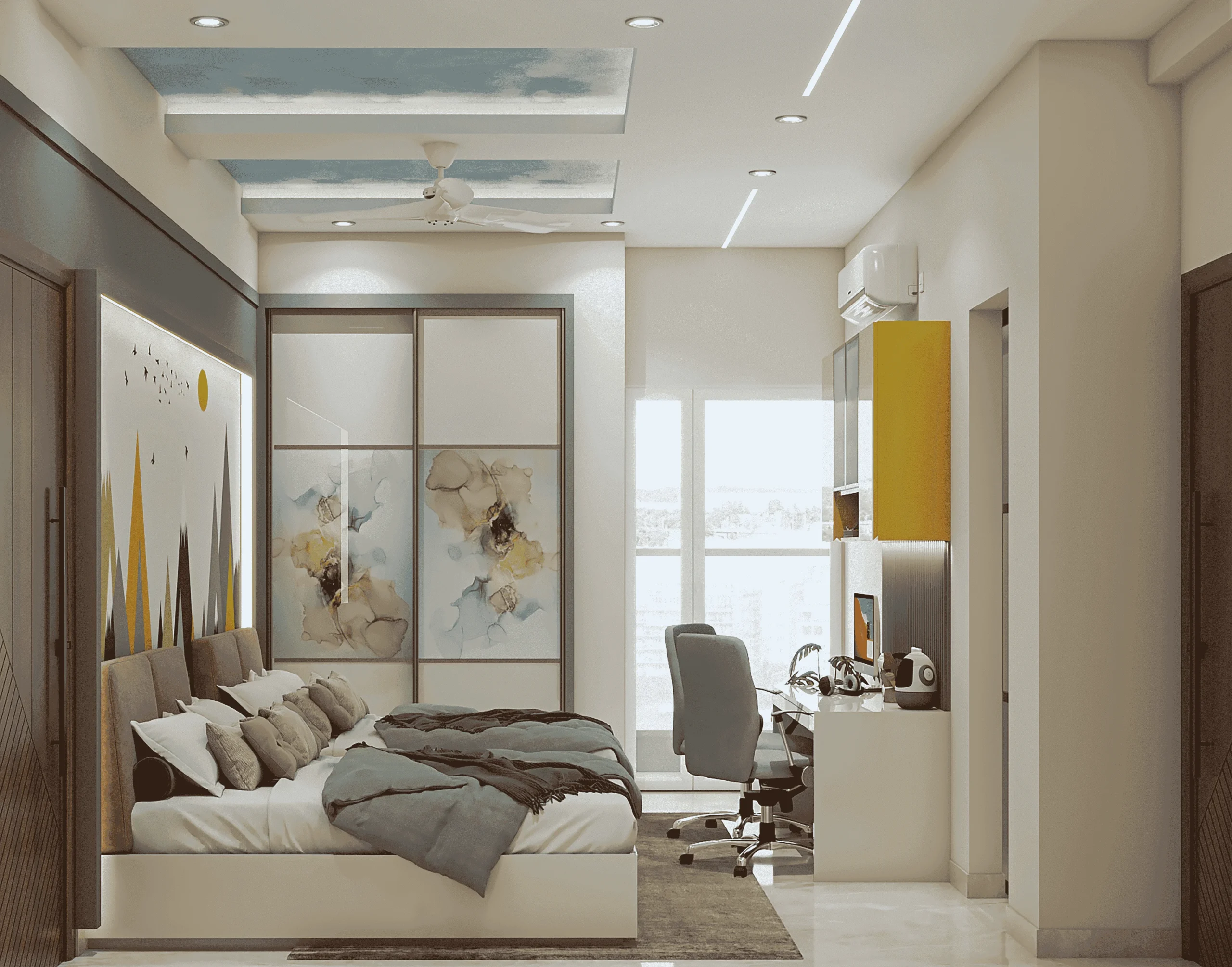
In today’s fast-paced world, our homes are not just places to relax—they have become multi-functional spaces where we work, sleep, unwind, and more. The bedroom, traditionally a space for rest, is now evolving into a multi-purpose room. With the right design approach, a bedroom can be transformed into an efficient and stylish space that caters to all your needs, from sleep to work and everything in between.
Here are some key ideas for designing a bedroom with multiple function areas, ensuring it remains comfortable, organized, and visually appealing.
1. Zoning the Space
The first step in creating a multi-functional bedroom is zoning. This involves breaking the room into distinct areas that serve different purposes. For example:
- Sleep Zone: The bed should be the focal point of the room. Ensure it’s placed in a way that promotes a peaceful atmosphere—ideally away from distractions like the TV or workspace.
- Work Zone: If you need to work from home or have a study corner, designate a separate area with a compact desk, ergonomic chair, and adequate lighting. Opt for a corner of the room to maintain the tranquility of the sleep zone.
- Relaxation Zone: A cozy reading nook or lounge area with a comfortable chair and good lighting can offer a space for relaxation and unwinding. A soft rug and a few throw pillows can enhance comfort.
2. Multi-Functional Furniture
In smaller bedrooms, using multi-functional furniture is key to maximizing space. Look for pieces that can serve multiple purposes, such as:
- Murphy Beds or Sofa Beds: Ideal for bedrooms that double as guest rooms, these allow the bed to fold away when not in use, freeing up space for other activities.
- Storage Ottomans and Beds with Built-In Drawers: These can help store extra bedding, books, or even office supplies, reducing clutter in your room.
- Foldable or Wall-Mounted Desks: A wall-mounted desk or fold-down desk can save space when not in use, while offering a comfortable and functional work area when needed.
3. Smart Storage Solutions
A bedroom with multiple functions can quickly become cluttered if storage is not carefully planned. Consider these ideas:
- Under-Bed Storage: Invest in beds with storage drawers or bins underneath. This is a great space to keep extra linens, shoes, or seasonal clothes.
- Vertical Storage: Take advantage of wall space by using shelves, floating nightstands, or hanging organizers. This keeps the floor space open and clean.
- Built-In Closets or Wardrobes: For a sleek and organized look, opt for built-in storage solutions that integrate seamlessly with the room’s design, ensuring that everything has its place.
4. Lighting for Different Functions
Lighting plays a crucial role in setting the mood for each zone in your bedroom. A combination of ambient, task, and accent lighting ensures that each area serves its function.
- Ambient Lighting: Soft ceiling lights or recessed lighting provide overall illumination.
- Task Lighting: Desk lamps, bedside lamps, and reading lights ensure you can work or read without straining your eyes.
- Accent Lighting: Use mood lighting such as floor lamps or LED strips to create a cozy, relaxing atmosphere in the lounge or sleep area.
5. Color and Textures
Choosing the right color palette is crucial for maintaining balance and harmony in a multi-functional room. Soft, neutral tones like whites, greys, or pastels help create a calm environment. You can then introduce pops of color or texture through throw pillows, blankets, or artwork to personalize the space without overwhelming it.
Textures also play a vital role in differentiating the functional areas. For example, a plush rug can define a reading corner, while sleek, smooth textures like leather or metal in the work area create a professional look.
6. Personalization
The bedroom is your personal sanctuary, so it should reflect your personality and style. Add personal touches through artwork, plants, and meaningful objects. A statement wall or a gallery of framed photos can enhance the room’s aesthetic while still keeping the functional areas distinct.
7. Ensure Privacy
When combining multiple functions in one room, it’s essential to ensure privacy and separation. Use room dividers, curtains, or even tall plants to separate the workspace or reading area from the sleeping zone. This helps maintain the tranquility needed for rest while allowing you to focus on tasks in the work zone.
8. Maximizing Natural Light
Natural light can help create a spacious, airy feel in your bedroom, making it feel larger and more open. Position your desk or reading chair near windows to take advantage of natural sunlight. Consider sheer curtains or blinds that allow light to filter through without compromising privacy.
Conclusion
Designing a bedroom with multiple function areas doesn’t mean sacrificing comfort or style. With the right approach to zoning, furniture, lighting, and storage, you can create a harmonious space that suits your lifestyle. At WeDezine, we understand that every bedroom is unique, and our team of expert designers is here to help you maximize your space, style, and functionality. Whether you need a peaceful retreat or a versatile space that serves multiple purposes, we can bring your vision to life.
