
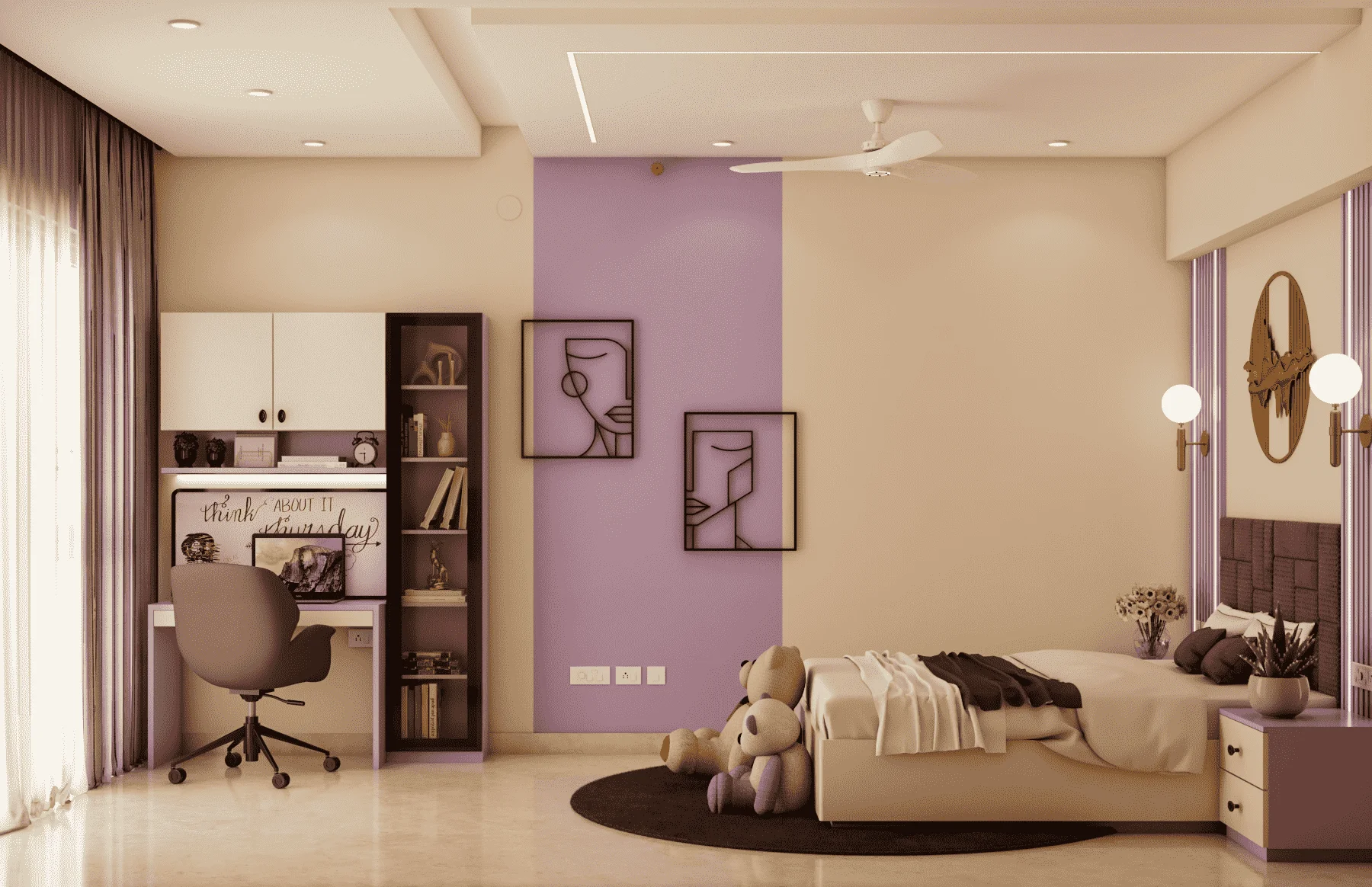
Designing your home is an exciting journey, and creating a mood board is the perfect starting point. Whether you’re looking to refresh a single room or revamp your entire home, a mood board helps you visualize the concept, style, and mood you want to bring into your space. At WeDezine, we believe that every home should be a reflection of your personality, and a well-crafted mood board will guide you in making thoughtful and cohesive design choices. Here’s how you can create your own mood board for home design:
1. Start with Inspiration
The first step in creating a mood board is gathering inspiration. Think about the styles, colors, textures, and overall feeling you want in your home. You can start by browsing design magazines, Pinterest, Instagram, or even looking at nature or fashion for inspiration.
- Collect Visuals: Whether it’s a modern minimalist kitchen, a cozy rustic living room, or a Scandinavian-inspired bedroom, save images of spaces that inspire you. Take note of how certain elements make you feel.
- Think About Your Lifestyle: Your home design should reflect how you live. For example, if you have children or pets, you may want to choose durable materials and easy-to-clean fabrics. If you entertain often, an open, inviting layout could be key.
2. Choose a Theme or Style
Once you have gathered inspiration, think about the common themes in the images you’ve saved. Do you gravitate towards contemporary designs, vintage elements, or something more eclectic? Narrow down your choices to define the style that resonates with you.
- Identify a Color Palette: The colors you choose will set the tone of your home. A mood board should have a cohesive color palette, ideally with 3-5 main colors. You can mix and match complementary or contrasting shades, but ensure they work harmoniously together.
- Pick Textures and Materials: Along with colors, think about the materials you want to use in your home, like wood, metal, marble, or fabrics. For example, soft fabrics like linen and velvet can evoke a cozy, welcoming feel, while materials like steel or concrete give a more industrial, modern vibe.
3. Use Digital Tools or Physical Collages
There are two main ways to create your mood board—digitally or physically.
- Digital Mood Boards: Using tools like Canva, Adobe Spark, or Pinterest makes it easy to pull together all your inspiration in one place. You can quickly arrange photos, play with color schemes, and experiment with layouts until you’re satisfied.
- Physical Mood Boards: If you enjoy a hands-on approach, you can create a physical mood board using magazine cutouts, fabric swatches, paint samples, and photographs. This tactile approach can give you a better sense of how materials feel and look together.
4. Focus on Key Elements
To make your mood board more organized and helpful, focus on these key elements:
- Furniture: Include images of furniture that match your desired aesthetic, whether it’s sleek modern pieces or cozy vintage finds. Think about the scale of the furniture and how it will fit in your space.
- Lighting: Lighting is crucial for setting the mood in a room. Consider different lighting options like pendant lights, floor lamps, or statement chandeliers. Choose images that reflect the lighting style you want, whether it’s soft and warm or bright and vibrant.
- Decor and Accessories: Add accents like rugs, artwork, mirrors, and plants that complement your overall design. These finishing touches will bring personality and life to your space.
5. Refine and Edit
Once you’ve gathered all your ideas, take a step back and refine your mood board. Ask yourself:
- Does everything on the board work together?
- Is the color palette cohesive?
- Does this mood board reflect how I want my space to feel?
Edit out anything that doesn’t fit or feels overwhelming. Simplicity and clarity will help you stay focused during the design process.
6. Translate the Mood Board into Reality
After you’ve created a mood board that you’re happy with, it becomes a roadmap for your home design. It will guide your decisions on everything from furniture purchases to wall colors, ensuring a cohesive look throughout your space.
- Collaborate with Your Designer: If you’re working with an interior designer, like WeDezine, share your mood board to give them a clear idea of your style and preferences. A good designer can help bring your vision to life while offering expert advice and creative solutions.
- Shop with Confidence: Your mood board will also help you stay focused when shopping for furniture, décor, and finishes. Having a clear visual guide reduces the risk of impulse purchases that might not fit your design vision.
Final Thoughts
A well-thought-out mood board can save you time, money, and stress during your home design process. It helps ensure that your space not only looks beautiful but also feels right for your lifestyle and personality. At WeDezine, we believe that every design starts with a vision, and a mood board is the perfect way to bring your dream home to life.
Whether you’re redesigning a single room or your entire house, let us help you craft a space that feels uniquely yours. Contact WeDezine today to start your home design journey!
