
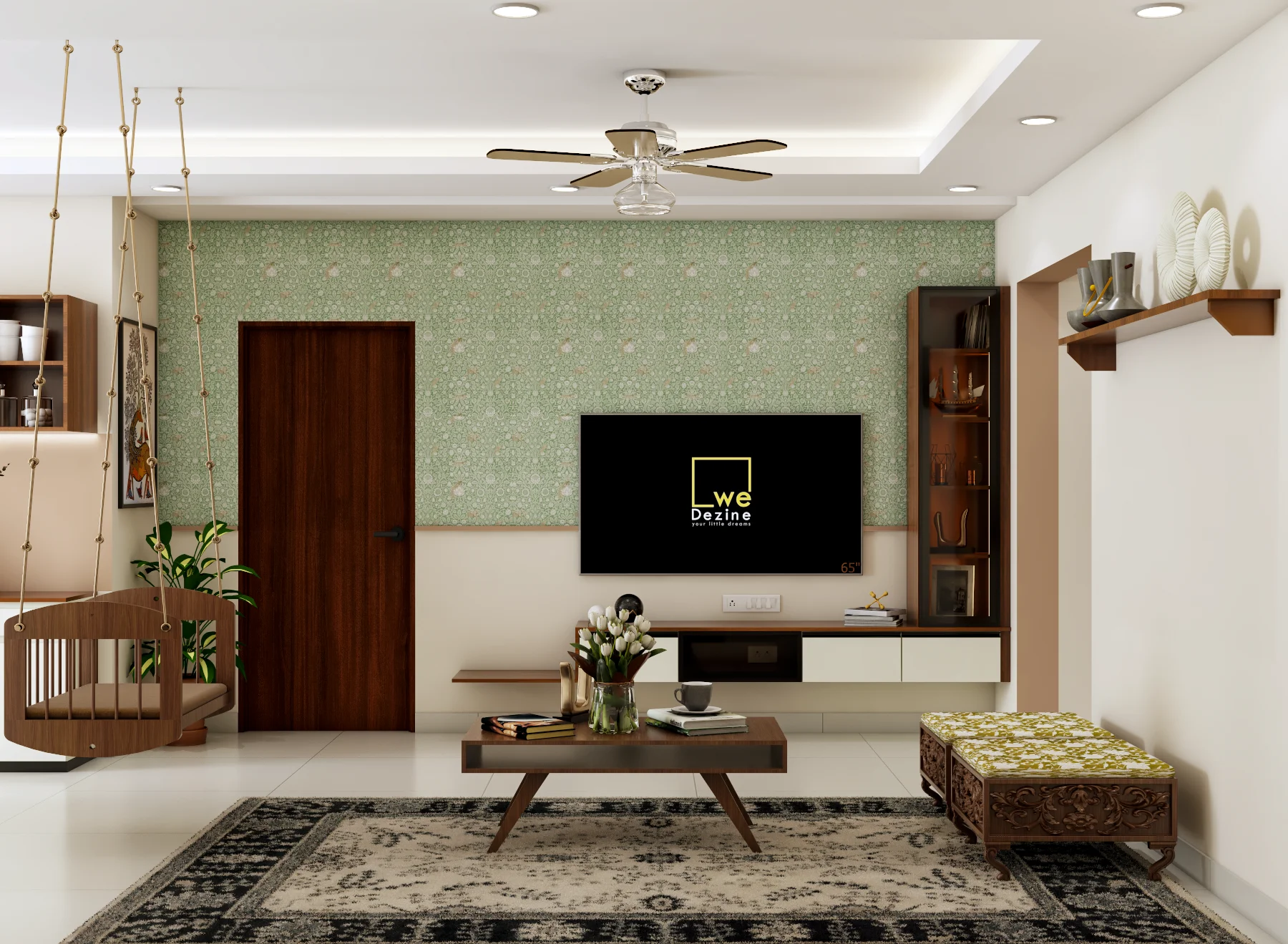
The living room is often the heart of the home, where we entertain guests, relax with family, and express our unique sense of style. To make your living room truly memorable, it’s essential to have a focal point that draws attention and ties the whole space together. A well-designed focal point not only adds visual interest but also sets the tone for the rest of the room. Whether you’re renovating your space or simply looking to refresh your décor, here are some expert tips from WeDezine on how to create a stunning focal point in your living room.
1. Choose a Standout Feature
Every room needs a central element that naturally captures attention. The focal point can be a fireplace, a large window with a scenic view, or a beautiful piece of artwork. If your room doesn’t have a natural architectural feature, don’t worry—you can create one. Here are some ideas:
- Fireplace: A classic focal point, especially in colder regions. Frame it with a statement mantel or surround it with striking artwork.
- TV Wall: In many modern homes, the TV often becomes the focal point. You can design a media wall with floating shelves or an entertainment unit to enhance its presence.
- Artwork or Wall Décor: A large, bold piece of artwork or a gallery wall can serve as an eye-catching focal point. Choose colors and themes that complement your room’s design.
- Accent Wall: Use a contrasting paint color, wallpaper, or textured material to highlight one wall and draw attention to it.
2. Anchor with Furniture
Once you’ve selected your focal point, arrange your furniture around it to guide attention. For instance, if the focal point is a fireplace or a TV, orient the seating in that direction to make it the star of the room.
- Symmetrical Layout: For a balanced and harmonious feel, place two chairs or sofas on either side of the focal point. This works especially well when the focal point is centered, like a large window or artwork.
- Asymmetrical Layout: For a more relaxed or creative feel, use different types of seating that aren’t perfectly mirrored. Add unique chairs, beanbags, or floor cushions to create a casual, yet stylish vibe.
3. Play with Lighting
Lighting is key when it comes to drawing attention to your focal point. A well-lit focal point will naturally grab more attention and feel inviting.
- Statement Lighting: A chandelier or pendant light can highlight the central element of your room. For example, if your focal point is a coffee table or dining area, hanging a bold lighting fixture above it can enhance its appeal.
- Spotlighting: If your focal point is artwork or a feature wall, use spotlights or track lighting to ensure it’s well-lit, even at night.
- Natural Light: If your focal point is a large window or glass doors, enhance the natural light with sheer curtains or blinds that let sunlight stream in, making the space feel airy and bright.
4. Add Texture and Layers
To ensure your focal point stands out, consider adding texture and depth to the space. A layered approach to design can make the focal point more dynamic and engaging.
- Textured Materials: Use materials like wood, brick, stone, or fabric to add texture to your focal wall. A wooden accent wall or stone-clad fireplace can create a striking visual effect.
- Layering Décor: For a mantel or TV wall, layer décor items like vases, books, candles, and sculptures to add depth and personality. However, be mindful of not overcrowding the space—each item should complement the focal point without overwhelming it.
5. Incorporate Bold Colors
Color is a powerful tool for emphasizing your focal point. Whether through paint, furniture, or décor, use bold or contrasting colors to ensure your focal point stands out.
- Accent Colors: If your living room features neutral tones, choose a vibrant color for the focal wall or key décor pieces. Shades like deep navy, rich emerald, or bold red can draw the eye immediately.
- Monochromatic Schemes: Alternatively, use varying shades of the same color for a subtler, more cohesive look. This technique works well with a more minimalist aesthetic, where the texture and materials take center stage.
6. Don’t Forget About Proportion and Scale
The size and proportion of your focal point matter. A focal point that’s too small will get lost in a large room, while one that’s too big can overwhelm the space.
- Large Rooms: In a spacious living room, a substantial feature like a large sectional sofa, an oversized artwork, or a tall bookshelf can serve as a commanding focal point.
- Small Rooms: In smaller spaces, opt for a feature that’s in proportion to the room. A modest fireplace, a small gallery of artworks, or a well-styled coffee table can serve as a cozy, inviting focal point.
7. Keep It Functional
While a focal point should be visually appealing, it’s important to keep it functional as well. For example, if your TV is the focal point, make sure it’s at the right height for comfortable viewing. Similarly, if your focal point is a seating arrangement, ensure it’s both stylish and comfortable for everyday use.
Conclusion
Creating a focal point in your living room doesn’t just add style—it gives the space a sense of purpose and cohesion. Whether you opt for a bold accent wall, a stunning piece of art, or a functional feature like a fireplace or TV wall, the key is to design around it thoughtfully. By balancing colors, textures, lighting, and furniture, you can create a living room that feels both stylish and inviting.
At WeDezine, we specialize in helping you transform your home into a space that reflects your personality and taste. Whether you’re redesigning your living room or looking to freshen up your décor, our team of interior design experts in Bangalore is here to help you create the perfect focal point for your home.
