
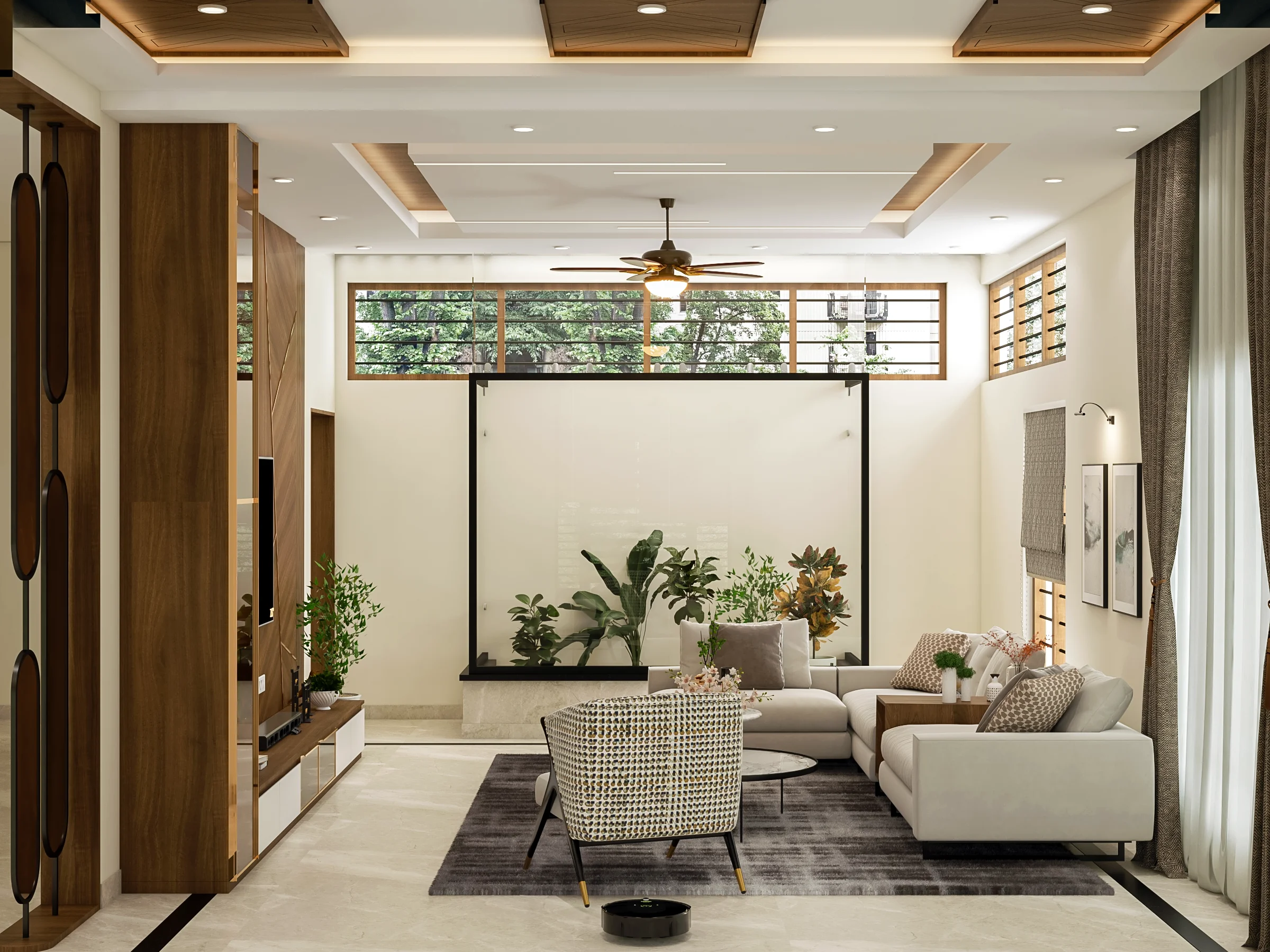
In the world of interior design, mixing and matching patterns can elevate your home’s aesthetic from ordinary to extraordinary. Patterns add character, depth, and vibrancy to spaces, but they can be daunting to incorporate effectively. Whether you’re revamping your living room or sprucing up your bedroom, mastering the art of pattern mixing will transform your decor. Here’s how to do it like a pro.
1. Understand the Basics of Pattern Mixing
Before diving into your decor, it’s essential to understand some fundamental concepts of pattern mixing. Patterns come in various types, such as stripes, florals, geometric shapes, and abstract designs. Each pattern has a different visual weight, which refers to how bold or subtle it appears in a space.
Key Concepts:
- Scale: Use a mix of large, medium, and small patterns. For example, pair large florals with smaller geometric prints.
- Color Harmony: Choose patterns that share a common color palette. This creates a cohesive look that ties the room together.
2. Start with a Neutral Base
Begin your design journey with a neutral base. A neutral color palette for walls and larger furniture pieces (like sofas and curtains) provides a calming backdrop for your patterns. It allows the patterns to stand out without overwhelming the space. Consider shades of white, beige, gray, or soft pastels.
3. Choose a Dominant Pattern
Select one bold, dominant pattern to anchor your decor. This could be a large area rug, an accent wall, or a statement piece of furniture. This pattern will serve as the foundation for your design, around which other patterns can be introduced.
4. Layering Patterns
Once you have your dominant pattern, it’s time to layer in complementary patterns. Here’s how:
- Pairing Prints: Choose a second pattern that contrasts in scale and style. For instance, if your dominant pattern is a large floral, consider adding a small polka dot or striped throw pillow.
- Balancing Visual Weight: Combine heavier patterns (like bold stripes) with lighter ones (such as delicate florals) to achieve a balanced look.
5. Use Texture to Your Advantage
Texture plays a significant role in pattern mixing. Different textures can create visual interest without adding more patterns. For example, mix smooth fabrics with woven textiles or rough textures with soft ones. This approach adds depth to your decor while allowing patterns to shine.
6. Incorporate Patterns in Accessories
If you’re hesitant to commit to large-scale patterns, start small with accessories. Incorporate patterns through throw pillows, blankets, artwork, or decorative items. This method allows for easy changes and experimentation without significant commitment.
7. Follow the 80/20 Rule
A helpful guideline in interior design is the 80/20 rule: 80% of your space should consist of neutral or subdued elements, while 20% can showcase bold patterns. This rule ensures that the patterns remain a highlight rather than becoming overwhelming.
8. Keep a Consistent Theme
When mixing patterns, it’s crucial to maintain a consistent theme. Whether you’re going for a coastal vibe with nautical stripes and shell motifs or a bohemian look with tribal prints and paisleys, ensure all patterns align with your chosen style. This consistency creates harmony and cohesion within your decor.
9. Test Before You Commit
Before making any final decisions, test your pattern combinations. Use fabric swatches, digital mood boards, or even temporary decor changes to visualize how the patterns interact in your space. This step can save you from costly mistakes and help refine your design choices.
Conclusion
Mixing and matching patterns in home decor is a delightful way to express your style and creativity. By understanding the basics, starting with a neutral base, and following these tips, you can create a harmonious and visually captivating space. Remember, the key to successful pattern mixing lies in balance, scale, and color harmony. So go ahead, let your imagination run wild, and transform your home into a stunning masterpiece!
