
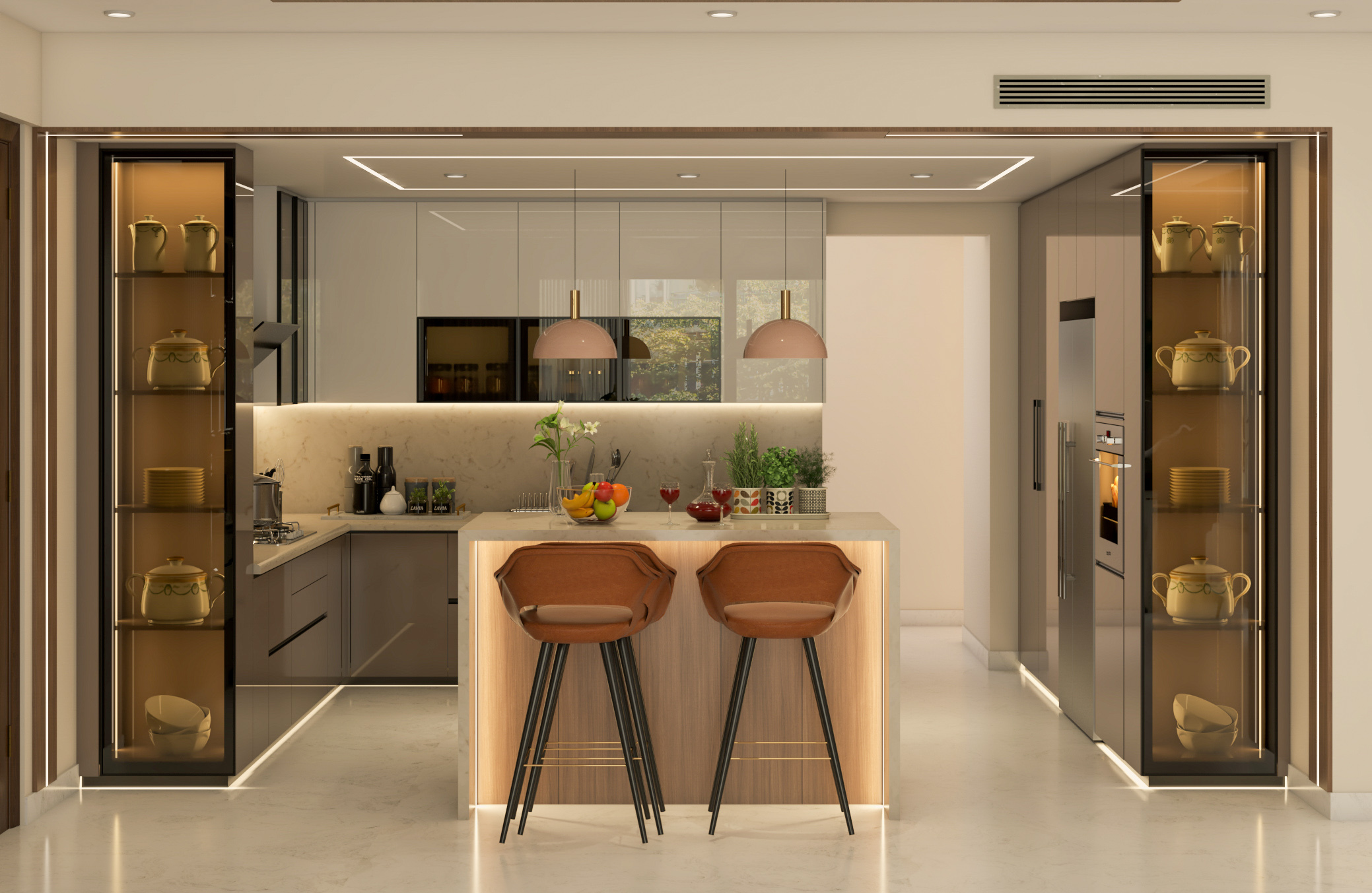
At WeDezine, we understand that pets are more than just animals; they are family. As pet owners, we want our homes to be safe, functional, and stylish for everyone, including our furry friends. If you’re a pet parent planning a kitchen renovation, creating a pet-friendly kitchen can make daily life smoother and more enjoyable for both you and your pets. Here’s a guide to help you design a kitchen that’s both pet-friendly and aesthetically pleasing.
1. Choose Durable, Pet-Resistant Flooring
Pets, especially dogs and cats, can be tough on kitchen floors with their claws, accidents, and the occasional spill. When selecting flooring for a pet-friendly kitchen, durability is key.
- Recommended Flooring: Choose materials like tile, stone, or vinyl, which are scratch-resistant and easy to clean. Hardwood can scratch easily, but engineered wood or sealed finishes offer some protection. Avoid slippery surfaces, as they can be difficult for pets to walk on.
- Non-Slip Rugs: Add non-slip, washable rugs in high-traffic areas where your pet tends to roam or rest. This helps prevent accidents, while adding a cozy touch.
2. Opt for Pet-Safe, Non-Toxic Materials
Pets love to explore, and they may end up chewing on cabinets, licking countertops, or sniffing around places you least expect. Make sure the materials used in your kitchen are non-toxic and safe for pets.
- Non-Toxic Finishes: When choosing paints, sealants, or finishes for cabinets and walls, opt for non-toxic and low-VOC (volatile organic compounds) products. These are safer for both pets and humans, reducing exposure to harmful chemicals.
- Pet-Safe Cleaning Products: Stock your kitchen with pet-safe cleaning solutions. Many common cleaning products can be toxic to pets, especially those containing ammonia or bleach.
3. Dedicated Pet Feeding Station
Designate a specific area in your kitchen for feeding your pet to keep it organized and hygienic. A pet feeding station can integrate seamlessly into your kitchen’s design without cluttering the space.
- Built-In Feeding Drawers: Install a pull-out drawer at the base of your cabinets to store your pet’s food and water bowls. This helps keep your pet’s eating area tidy and out of the way when not in use.
- Food Storage: A nearby cabinet with airtight containers is ideal for storing pet food, treats, and supplies. This keeps everything organized and easily accessible while maintaining a clean kitchen aesthetic.
4. Easy-to-Clean Surfaces
From muddy paw prints to food spills, pets can add extra cleaning chores to your kitchen routine. When choosing countertops, backsplashes, and cabinetry, focus on materials that are easy to wipe down and maintain.
- Stain-Resistant Countertops: Quartz and stainless steel are excellent choices for kitchen countertops as they are non-porous and resistant to stains, spills, and scratches.
- Cabinet Materials: Go for cabinets with smooth finishes that are easy to clean, like laminate or painted wood. Open shelving may look trendy but can accumulate fur and dust quickly.
5. Pet-Proof Cabinetry and Storage Solutions
Pets are naturally curious, and they love to investigate cupboards and drawers. To prevent accidents, pet-proofing your cabinetry is a must.
- Child-Proof Locks: Install child-proof locks on lower cabinets where harmful items like cleaning products, sharp utensils, or medications are stored. This ensures your pet won’t accidentally access hazardous materials.
- Closed Storage: Invest in closed storage to keep small items and pet food out of sight. Open shelves and easily accessible spaces may tempt your pets to explore.
6. Designated Play and Rest Area
Pets love to be close to their humans, even in the kitchen. However, for safety reasons, it’s important to create a designated resting or play area that keeps your pet away from cooking hazards.
- Pet Nook: If you have a larger kitchen, create a built-in nook with a cozy bed or mat where your pet can relax while you cook. This gives them a comfortable place to rest while staying out of the way.
- Pet Gates: For smaller kitchens, consider adding a baby gate or pet gate to section off areas that may pose safety risks, such as near the stove or oven.
7. Install Pet-Friendly Lighting
Pets, especially older ones, benefit from well-lit spaces. Good lighting can help pets navigate the kitchen more safely, especially in low-light conditions.
- Soft Under-Cabinet Lighting: Install soft, under-cabinet lighting to brighten darker corners of the kitchen. This will help your pet move around without knocking over things or getting into accidents.
- Motion Sensor Lights: Motion sensor lights near your pet’s feeding area or resting spot ensure they can access their essentials even when it’s dark.
8. Incorporate Pet-Friendly Plants
Many homeowners love adding greenery to their kitchens, but not all plants are safe for pets. If you want to add a touch of nature to your pet-friendly kitchen, choose plants that are non-toxic to animals.
- Pet-Safe Plants: Some examples of pet-friendly plants include spider plants, Boston ferns, and bamboo palm. Keep any plants out of reach to prevent curious pets from nibbling on them.
- Avoid Toxic Plants: Be cautious of plants like lilies, aloe vera, and pothos, which can be harmful to pets if ingested.
Conclusion
Designing a pet-friendly kitchen doesn’t mean you have to compromise on style. By selecting durable, easy-to-clean materials, incorporating smart storage solutions, and creating dedicated spaces for your pet, you can ensure that your kitchen is both functional and safe for your furry companions. At WeDezine, we specialize in creating customized interior design solutions tailored to your lifestyle—whether you’re a pet parent or simply looking for a space that’s beautiful and practical.
Feel free to reach out to us for more tips on creating a pet-friendly, stylish home!
