
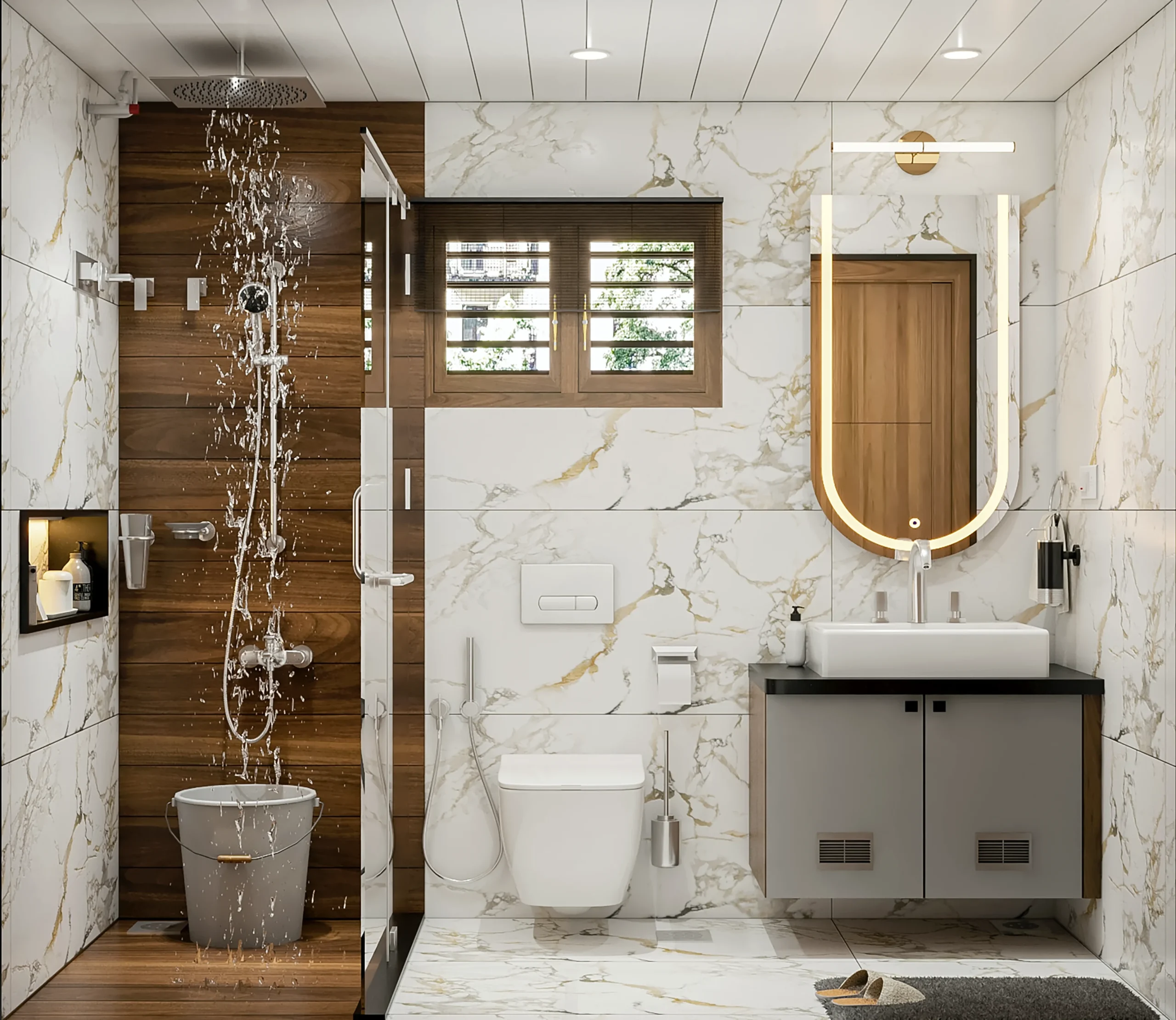
Designing a bathroom for a rental property can be a delicate balance between aesthetics, functionality, and cost-effectiveness. As a landlord, your primary goal is to create a space that is appealing to potential tenants, easy to maintain, and durable enough to withstand wear and tear over time. A well-designed bathroom can significantly enhance the rental value of your property, attract more tenants, and even reduce turnover rates. Here are some practical tips on how to design a bathroom that meets these objectives.
1. Prioritize Durability and Quality Materials
When designing a bathroom for a rental property, choosing durable, high-quality materials is crucial. Bathrooms endure a lot of daily use and exposure to moisture, so selecting materials that can withstand these conditions will save you money on repairs and replacements in the long run.
- Flooring: Opt for porcelain or ceramic tiles that are water-resistant, durable, and easy to clean. Vinyl flooring is another budget-friendly option that offers good durability and water resistance.
- Walls: Use semi-gloss or satin paint that is resistant to moisture and mold. Alternatively, consider ceramic tiles or waterproof wall panels in the shower and bath areas to prevent water damage.
- Fixtures: Invest in good-quality faucets, showerheads, and handles made of brass or stainless steel to prevent rust and wear.
2. Maximize Space and Functionality
Rental bathrooms are often small, so maximizing the available space is essential. Focus on creating a layout that offers both comfort and convenience.
- Storage Solutions: Use space-saving storage options such as floating shelves, over-the-toilet cabinets, and vanity units with drawers. These will help tenants keep the bathroom clutter-free without taking up much space.
- Compact Fixtures: Consider installing compact or wall-mounted sinks and toilets to free up floor space and create a more open feel. Choose a shower over a bathtub to save space unless the property targets families with young children.
- Mirrors: Large mirrors can make small bathrooms appear more spacious and brighter. Consider a mirror cabinet that doubles as a storage space.
3. Keep the Design Neutral and Timeless
When designing a bathroom for a rental property, avoid bold colors or overly personalized styles that may not appeal to everyone. Instead, go for a neutral, timeless design that can attract a wider range of potential tenants.
- Color Palette: Stick to light, neutral colors such as whites, grays, and beiges. These colors create a clean and fresh look and make the bathroom appear larger and more inviting.
- Tile Patterns: Choose classic subway tiles or simple patterns that can match any tenant’s decor style. Avoid overly trendy patterns that may quickly go out of style.
- Fixtures and Accessories: Opt for simple, modern fixtures in finishes like brushed nickel or chrome that are versatile and unlikely to date quickly.
4. Ensure Adequate Lighting
Good lighting is essential in a bathroom, especially if it is small or lacks natural light. Proper lighting can make the space look bigger, brighter, and more appealing.
- Ambient Lighting: Install a ceiling light to provide general illumination. LED lights are energy-efficient and have a long lifespan, reducing the need for frequent replacements.
- Task Lighting: Place lighting around the mirror or vanity area to provide adequate lighting for grooming tasks. Wall-mounted sconces or LED mirror lights are excellent choices.
- Accent Lighting: If possible, add dimmable lights or LED strips under cabinets to create a cozy ambiance and allow tenants to control the brightness.
5. Focus on Easy Maintenance and Cleanliness
Design the bathroom with materials and fixtures that are easy to clean and maintain. This will help keep the space looking fresh between tenants and minimize the need for frequent deep cleaning.
- Non-Porous Surfaces: Choose non-porous materials for countertops, such as quartz or solid surface, which resist stains and bacteria growth.
- Grout and Sealants: Use mold-resistant grout and sealants in shower areas to prevent mold and mildew. Dark-colored grout is a practical choice as it hides stains better than white grout.
- Wall-Mounted Fixtures: Install wall-mounted toilets, sinks, and storage units to make floor cleaning easier and prevent water damage from spills.
6. Add Practical and Attractive Accessories
Simple yet stylish accessories can enhance the overall look of the bathroom without significant expense.
- Shower Curtains or Glass Screens: Opt for a clean, minimalist shower curtain or glass screen that complements the bathroom design.
- Towel Bars and Hooks: Install towel bars, hooks, and rings to provide ample space for towels and clothes. Consider using adhesive hooks that are easy to replace if they become damaged.
- Mirror with Storage: A mirrored cabinet not only saves space but also provides additional storage for toiletries.
7. Think About Safety and Accessibility
Safety is a critical consideration, especially if your target tenants are families with children or elderly individuals. Incorporate safety features into the bathroom design to make it more attractive to a broader range of tenants.
- Slip-Resistant Flooring: Use slip-resistant tiles or mats to prevent falls, especially in wet areas.
- Grab Bars: Install grab bars near the toilet and in the shower to provide extra support for elderly tenants or those with mobility issues.
- Adequate Ventilation: Ensure the bathroom has proper ventilation to reduce moisture buildup, prevent mold growth, and maintain a healthy indoor environment.
8. Be Mindful of Budget Constraints
While designing a bathroom for a rental property, it’s essential to keep costs under control. However, avoid compromising on quality for cost savings, as this could result in higher expenses over time due to frequent repairs or replacements.
- Focus on Essentials: Prioritize spending on durable fixtures, good lighting, and quality materials that enhance longevity and reduce maintenance needs.
- DIY When Possible: Consider DIY projects like painting walls or installing shelving to save on labor costs.
- Source Materials Wisely: Look for discounts, clearance sales, or bulk purchase deals from suppliers to get the best value for your money.
9. Make it Energy and Water Efficient
Eco-friendly features are becoming increasingly attractive to tenants who are conscious of their environmental impact and utility bills.
- Low-Flow Fixtures: Install low-flow faucets, showerheads, and dual-flush toilets to reduce water consumption.
- Energy-Efficient Lighting: Use LED or energy-efficient lighting to save on electricity costs.
- Smart Ventilation: Consider installing a humidity-sensing exhaust fan that only runs when needed, saving energy and prolonging the fan’s lifespan.
Conclusion
Designing a bathroom for a rental property involves finding the perfect blend of style, durability, functionality, and affordability. By selecting neutral designs, high-quality materials, and energy-efficient fixtures, you can create a space that appeals to a wide range of tenants, reduces maintenance costs, and increases the rental value of your property. Remember, a well-designed bathroom is more than just a place to freshen up; it’s a space that can significantly enhance the comfort and appeal of your rental property.
