
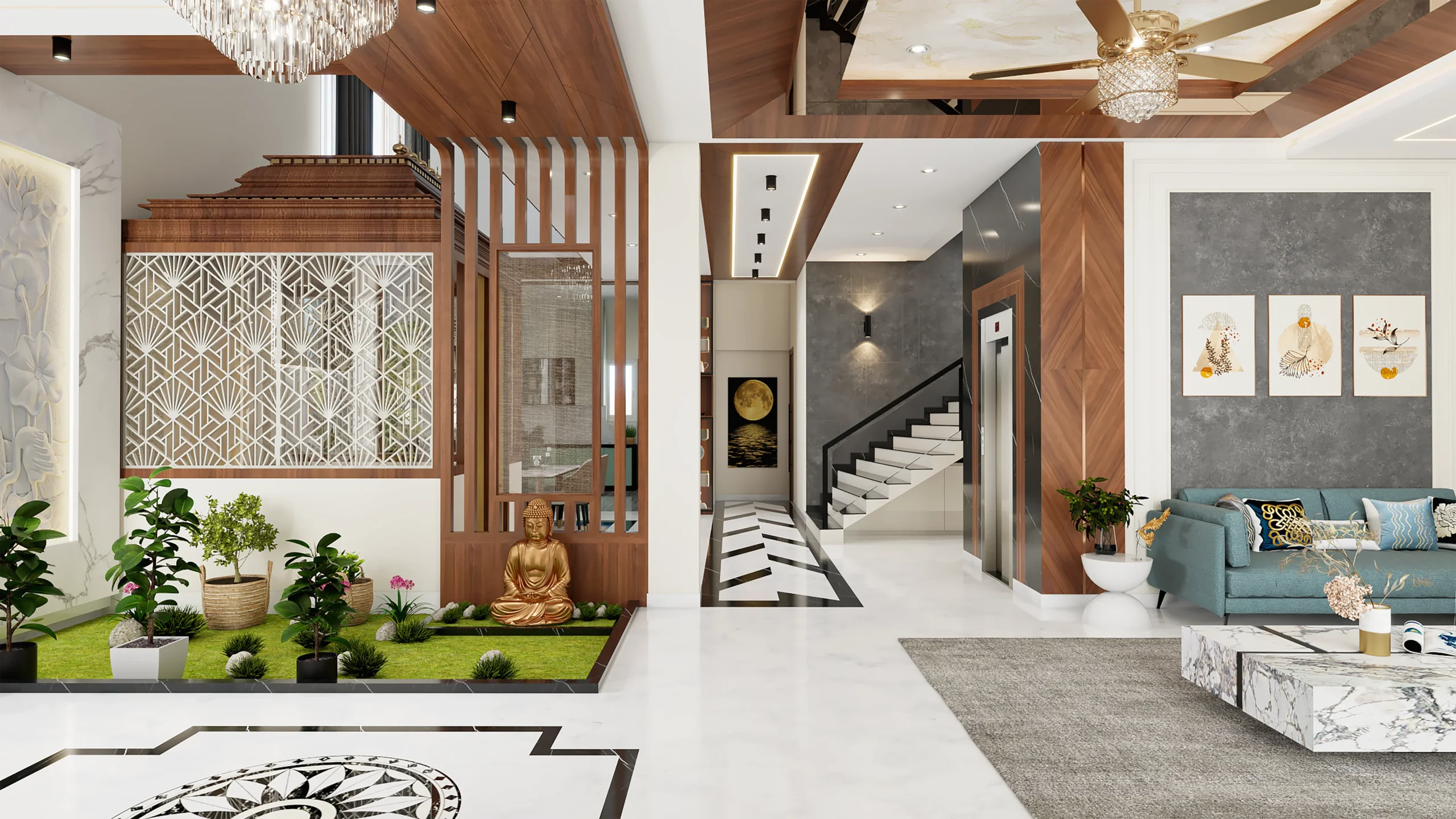
In the ever-evolving world of interior design, certain elements withstand the test of time, blending tradition with contemporary aesthetics. One such element is the “Jali” design, a classic feature that has been a staple in architecture for centuries. Jali designs, characterized by intricate patterns and beautiful craftsmanship, have made a significant comeback in modern interiors. In this blog, we’ll explore the timeless appeal of Jali designs, their cultural significance, and how they can elevate the aesthetics of contemporary spaces.
What is Jali Design?
Jali, derived from the Hindi word for “net,” refers to a perforated stone or latticed screen, often featuring intricate geometric and floral patterns. Historically, Jali screens were used in Indian and Islamic architecture to provide ventilation and privacy while allowing light and air to filter through. These designs are not only functional but also serve as an artistic expression, showcasing the craftsmanship of artisans.
The Historical Significance of Jali in Architecture
Jali designs have been an integral part of architecture in South Asia and the Middle East for centuries. From the Mughal palaces to traditional Indian homes, these latticed screens have been used to enhance the beauty of buildings while serving practical purposes. The use of Jali in architecture was more than just decorative; it was a symbol of cultural identity and artistic excellence. In today’s interiors, the incorporation of Jali designs serves as a nod to this rich heritage, blending the old with the new.
Why Jali Designs are Making a Comeback in Modern Interiors
- Aesthetic Versatility: Jali designs can seamlessly blend with various interior styles, from contemporary to bohemian. Their intricate patterns add a touch of elegance and sophistication to any space.
- Functionality Meets Style: Modern homes prioritize functionality without compromising on style. Jali screens provide privacy, improve air circulation, and act as room dividers while adding a decorative element to the interiors.
- Sustainability: With an increased focus on sustainable living, Jali designs, often crafted from natural materials like wood, stone, or metal, are an eco-friendly choice. They are durable and can be integrated into various interior design elements, such as doors, windows, and partitions.
- Cultural Revival: As homeowners and designers seek to connect with cultural roots, Jali designs offer a way to incorporate traditional elements into modern homes. They serve as a reminder of the rich cultural heritage and the timeless artistry of the past.
Incorporating Jali Designs in Modern Interiors
- Room Dividers and Partitions: Jali screens can be used as stylish room dividers, creating distinct zones within an open-plan space. They allow light to flow through while maintaining a sense of separation.
- Wall Art and Panels: For those who prefer subtlety, Jali designs can be used as decorative wall panels or art pieces. These panels can serve as a focal point in a living room or add texture to a minimalist design.
- Furniture and Decor: Incorporating Jali patterns in furniture pieces, such as cabinets, headboards, or coffee tables, can add a unique touch to your interiors. Additionally, Jali motifs can be featured in decor items like mirrors, trays, and light fixtures.
- Windows and Doors: Jali patterns are perfect for windows and doors, providing privacy without blocking natural light. This traditional element can add a dramatic flair to any space.
- Ceiling Designs: For a truly unique look, consider Jali patterns for false ceilings. This adds depth and dimension to a room, creating an eye-catching feature that enhances the overall aesthetic.
Tips for Choosing the Right Jali Design for Your Home
- Material Matters: Choose materials that complement the existing decor of your home. Wood and metal are popular choices for their durability and timeless appeal.
- Pattern and Scale: Consider the scale of the pattern to the space. Larger, bold patterns may work well in a spacious room, while smaller, intricate designs are better suited for compact areas.
- Placement and Lighting: Think about how natural light will interact with the Jali design. Placing Jali screens where light can cast interesting shadows will enhance their visual appeal.
Conclusion
Jali designs are more than just a decorative element; they are a fusion of tradition and modernity, offering a unique way to enhance your interiors. Whether you want to add a touch of elegance, improve functionality, or connect with cultural roots, incorporating Jali designs into your home can transform your space. Embrace this timeless trend and bring a piece of history into your modern interiors.
Call to Action
Are you looking to incorporate Jali designs into your home? Contact WeDezine Studio today to explore our range of custom Jali designs and transform your living space with timeless elegance.
