
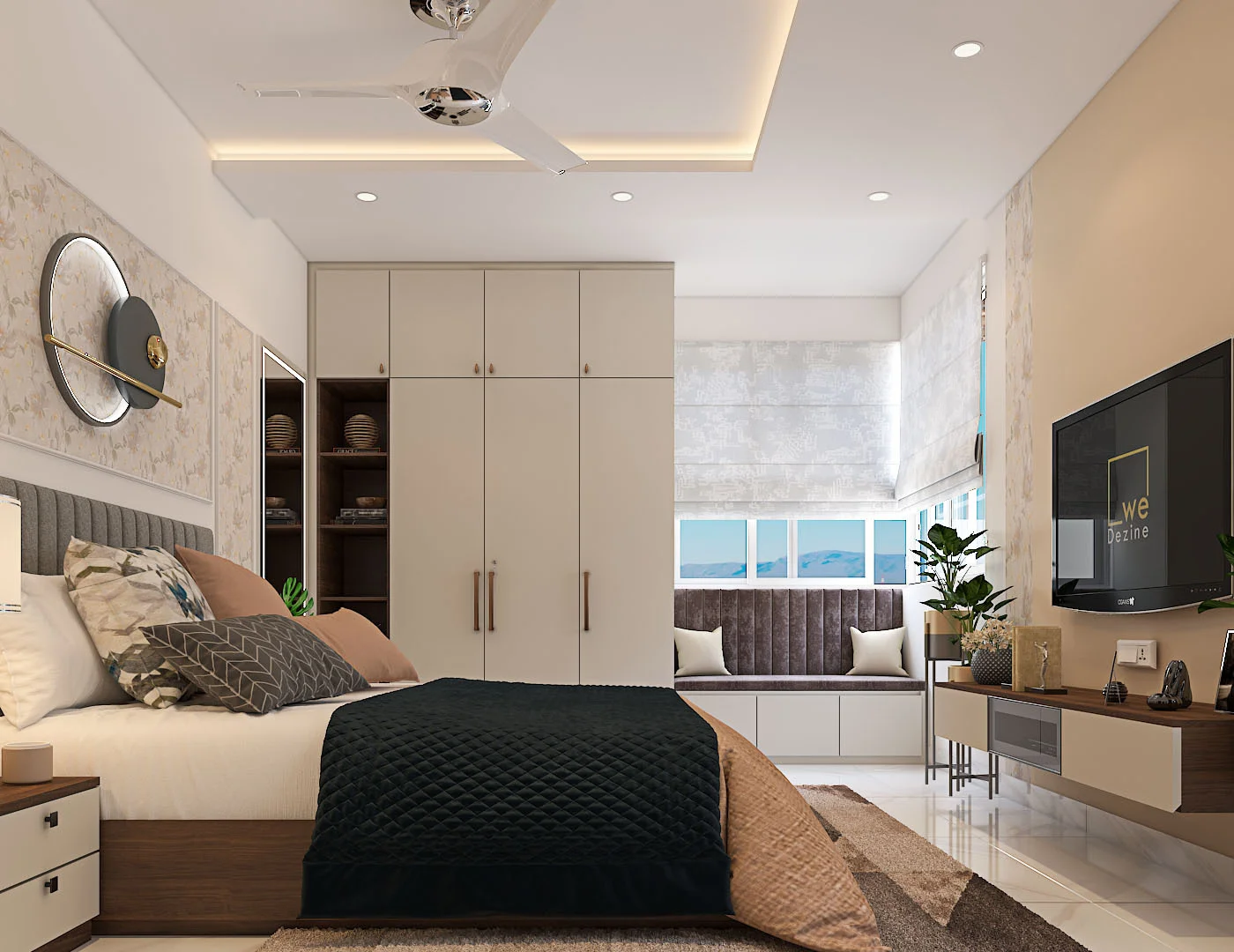
When designing a shared bedroom for siblings, the goal is to create a functional and fun space while accommodating each child’s unique needs and personalities. Whether it’s a cozy room for young kids or a stylish haven for teens, thoughtful planning can help you design a shared space that both siblings will love. Here are some expert tips from WeDezine to help you create a harmonious and visually appealing shared bedroom.
1. Understand the Needs and Preferences
Before you start, talk with both siblings to understand their needs and preferences. Ask them about their favorite colors, themes, and activities. This helps in designing a room that reflects their personalities and makes them feel comfortable and excited about their shared space.
2. Define Personal Spaces
Even though the room is shared, each child needs to have their personal space. Consider separating the room into distinct areas with the help of furniture like bookshelves or curtains. You could also use different color palettes or decor themes on each side of the room. This helps each child feel a sense of ownership and personal space within a shared environment.
3. Choose the Right Furniture
Opt for furniture that maximizes space and functionality. Bunk beds are a popular choice for shared rooms, especially when space is limited. Alternatively, loft beds can free up floor space for a study or play area underneath. When selecting furniture, think about storage too—beds with built-in drawers, shelves, and multi-functional pieces can help keep the room organized and clutter-free.
4. Maximize Storage Solutions
Shared bedrooms can quickly become cluttered. Make storage a priority by incorporating creative storage solutions. Use under-bed storage, wall-mounted shelves, or baskets to keep toys, books, and clothing organized. Label storage bins with each child’s name to make it easy for them to find their belongings and tidy their space.
5. Incorporate a Color Scheme That Appeals to Both
Choosing a color scheme that appeals to both siblings can be challenging. Opt for neutral base colors such as whites, grays, or pastels, and then add pops of color that reflect each child’s personality. For example, you can have one side of the room in shades of blue and the other in shades of pink or green. This way, both children feel represented in the design.
6. Create Zones for Different Activities
To make the room functional and versatile, create designated zones for different activities. Set up a study area with a shared desk and sufficient lighting for homework and reading. A play zone with a soft rug and toy storage can provide a fun area for younger children. For older kids, a chill-out zone with bean bags or a small sofa can serve as a place to relax and socialize.
7. Add Personalized Touches
Incorporate elements that reflect each child’s interests and hobbies. This could be in the form of wall art, posters, or bedding that showcases their favorite characters or sports. A gallery wall where they can display their artwork or achievements is another great way to personalize their space and make them feel valued.
8. Ensure Privacy and Boundaries
As children grow, they may crave more privacy. A simple curtain divider or a bookshelf can act as a barrier to create private zones within a shared room. You can also set rules to respect each other’s space and belongings, ensuring that both siblings feel comfortable and secure.
9. Involve Siblings in the Design Process
Encourage the siblings to be involved in the design process. Let them pick out some decor items, choose their bed linens, or select accessories like lamps and cushions. This not only makes them feel included but also ensures that the final design reflects their tastes.
10. Prioritize Comfort and Safety
Comfort and safety are paramount, especially for young children. Choose furniture with rounded edges and non-toxic paint. Ensure the room has adequate ventilation and natural light. Select comfortable mattresses and use hypoallergenic bedding to promote good sleep and health.
11. Use Lighting to Your Advantage
Proper lighting can enhance the ambiance of a shared bedroom. Use a combination of overhead lighting, task lighting for study areas, and nightlights for younger children. This creates a cozy and versatile environment suitable for different activities.
12. Think Long-Term
Children grow fast, and their tastes change even faster. Consider furniture and decor that can adapt to their evolving needs and preferences. Invest in timeless furniture pieces that can be repurposed or redesigned as they grow older. This approach ensures that the room remains functional and stylish for years to come.
Conclusion
Designing a shared bedroom for siblings can be a fun and rewarding experience. By incorporating these tips, you can create a space that balances both practicality and personality, making it a comfortable and enjoyable haven for your children. At WeDezine, we believe that a well-designed shared bedroom fosters harmony and enhances the bond between siblings. Ready to transform your kids’ room into a stylish and functional space? Contact us today to start your journey towards a beautifully designed shared bedroom!
