
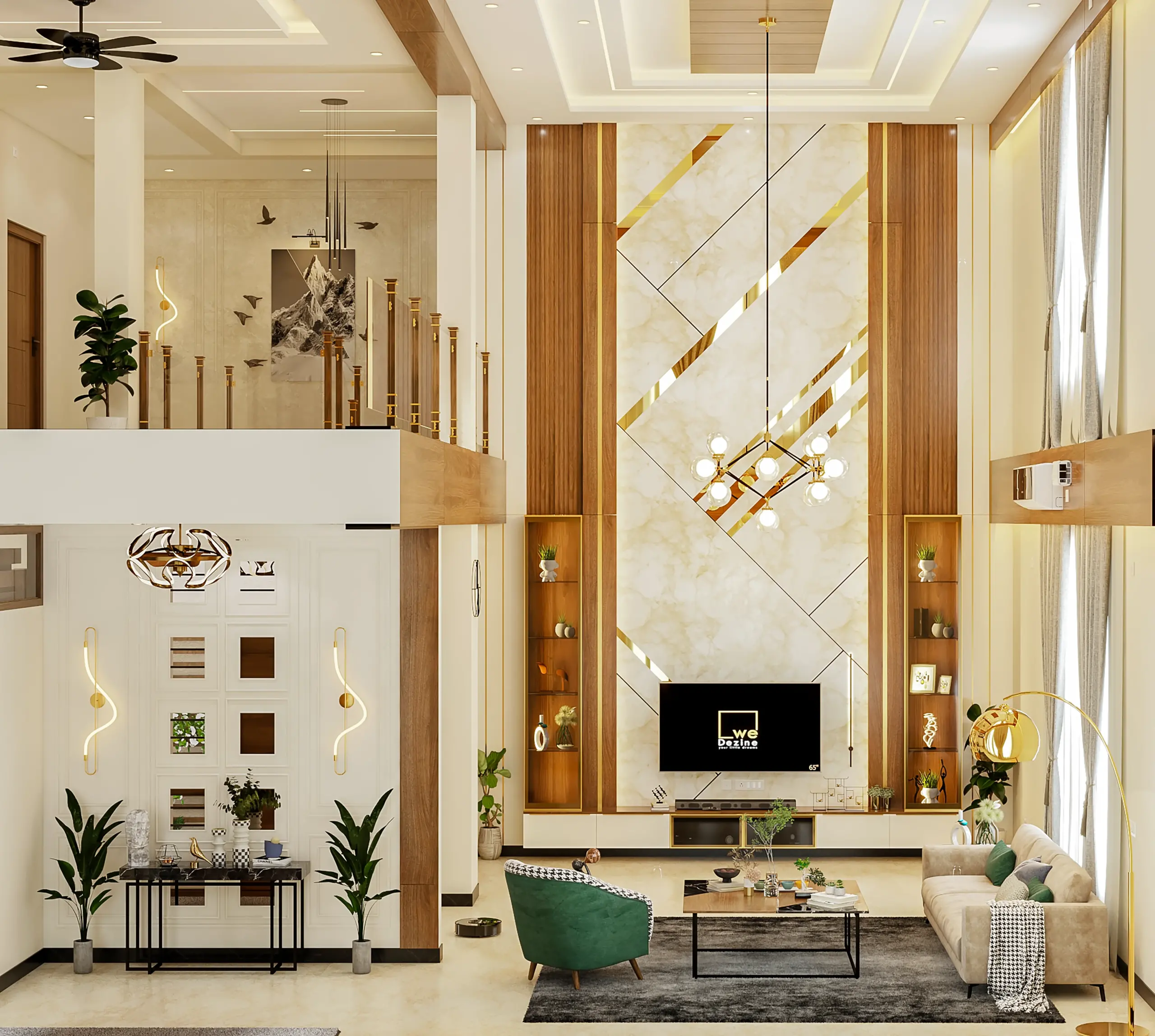
In today’s world, sustainability is not just a trend but a necessity. As we strive to create living spaces that are both aesthetically pleasing and environmentally responsible, the choice of materials plays a crucial role. Here at WeDezine, we believe in promoting sustainable interior design practices that help reduce environmental impact while enhancing the beauty and functionality of your home. In this blog post, we explore various eco-friendly materials that are perfect for sustainable interior design projects.
Bamboo
Bamboo is a versatile material that has gained popularity in interior design due to its rapid growth and renewability. It can be used for flooring, furniture, and even decorative elements like blinds and panels. Bamboo products are durable, lightweight, and can add a touch of natural elegance to any space.
Recycled Glass
Recycled glass is another eco-friendly option that can be used in countertops, tiles, and decorative accents. By using recycled glass, you not only reduce waste but also create unique and beautiful designs that reflect light and add depth to your interiors.
Reclaimed Wood
Reclaimed wood brings character and history to your home while reducing the demand for new timber. It can be used for flooring, furniture, and feature walls, adding warmth and texture to modern interiors. Each piece of reclaimed wood tells a story and contributes to a more sustainable living environment.
Cork
Cork is harvested from the bark of cork oak trees without harming the tree itself, making it a renewable and environmentally friendly material. It’s often used for flooring and wall coverings due to its natural insulation properties and soft texture underfoot.
Organic Fabrics
Choosing organic fabrics for upholstery and curtains is a great way to promote sustainability in interior design. Organic cotton, hemp, and linen are grown without synthetic pesticides or fertilizers, reducing environmental impact and promoting healthier indoor air quality.
Recycled Metal
Recycled metal such as aluminum, copper, and steel can be used in various interior design applications, from light fixtures to furniture. Using recycled metal reduces energy consumption and greenhouse gas emissions associated with mining and processing virgin materials.
Natural Stone
Natural stone like marble, granite, and limestone is a durable and timeless choice for countertops, flooring, and feature walls. Opt for locally sourced stone to minimize transportation emissions and support local economies.
Low-VOC Paints
When painting your interiors, choose low-VOC (Volatile Organic Compounds) paints that emit fewer harmful chemicals into the air. These paints are better for indoor air quality and contribute to a healthier living environment for you and your family.
Plant-Based Insulation
For those considering renovation or construction projects, plant-based insulation materials such as soy foam, cotton, or cellulose can provide effective thermal and sound insulation properties while reducing reliance on fossil fuels.
Sustainable Flooring Options
Explore sustainable flooring options like cork, bamboo, reclaimed wood, and natural linoleum for their eco-friendly qualities and aesthetic appeal. These materials offer durability and style without compromising environmental responsibility.
By incorporating these eco-friendly materials into your interior design projects, you not only contribute to a greener planet but also create spaces that are healthier and more beautiful for years to come. At WeDezine, we are committed to helping you achieve sustainable living through thoughtful design choices. Contact us today to learn more about how we can integrate eco-friendly materials into your home’s interior design.
